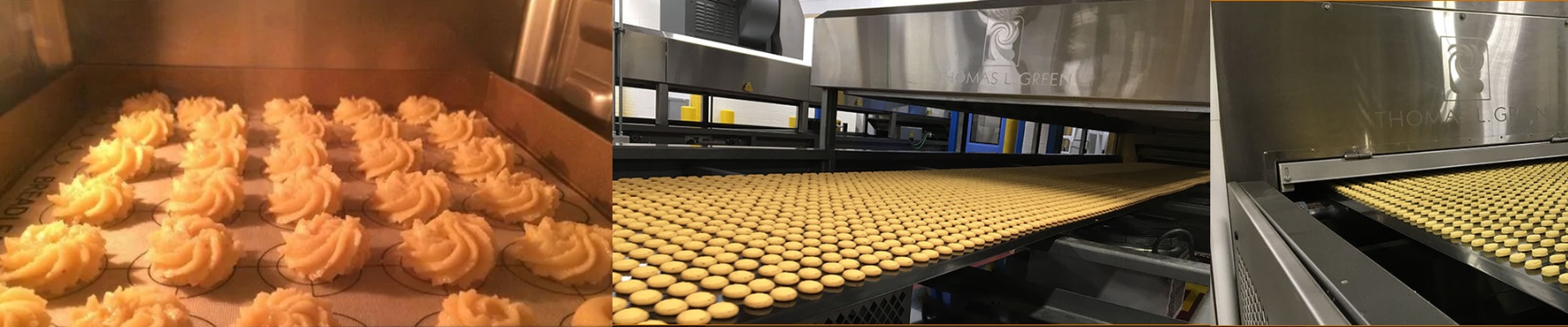
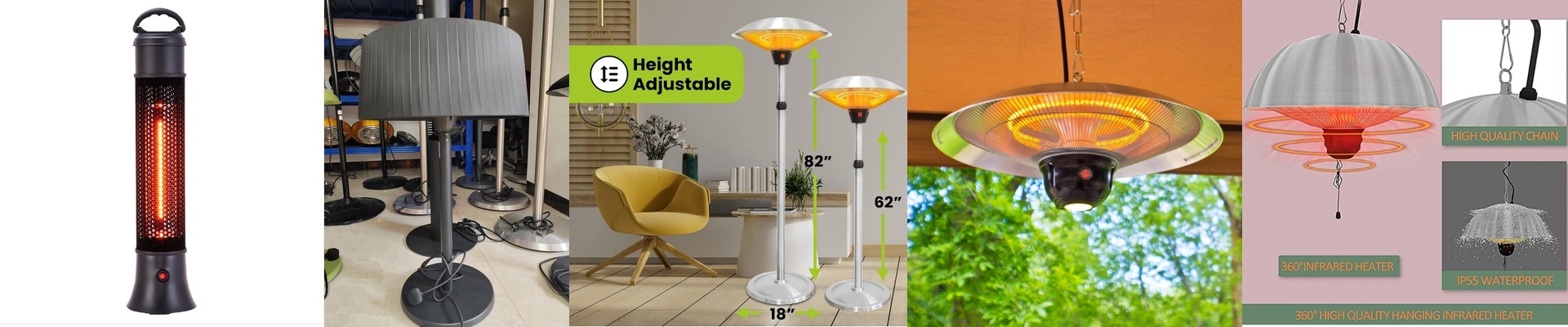
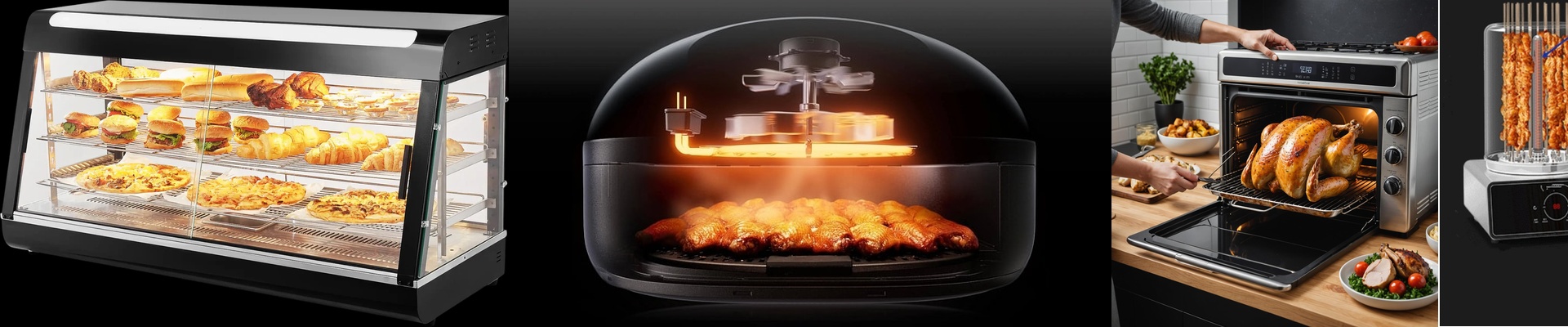
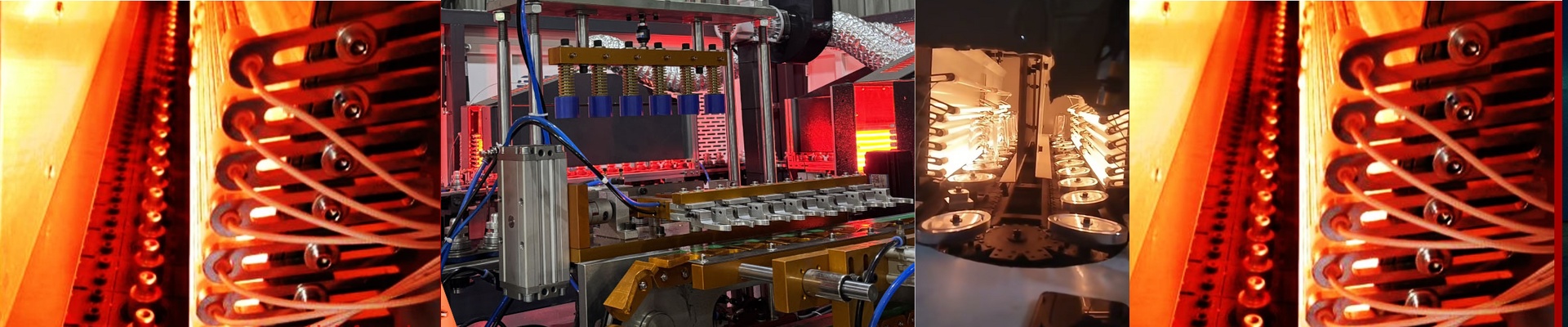
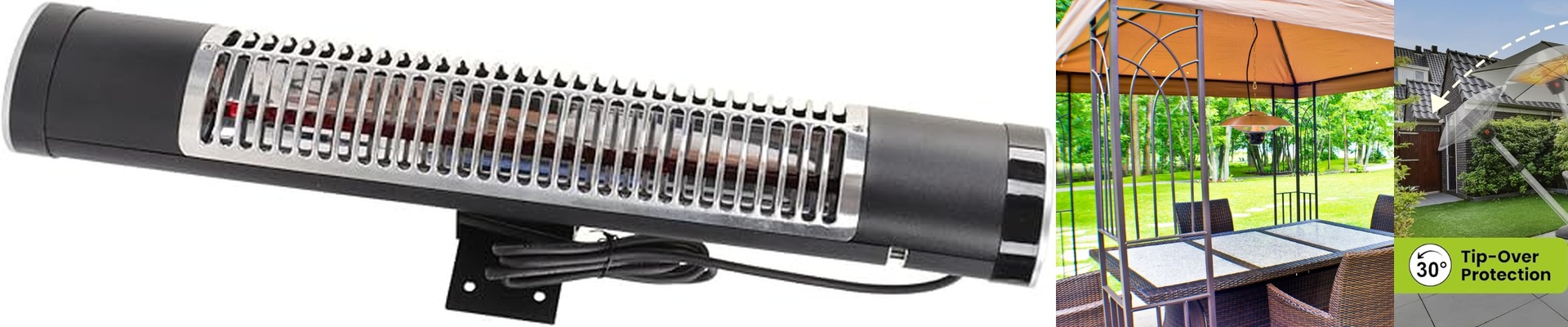

When service hits, the deck oven needs to be ready to go—no waiting, no second-guessing. If the heat lags, the crust goes soft, steam beads up on the glass, and that first tray of bread takes the hit. We built the Bread Baking IR Element 110V to kill that delay. It’s an infrared heating element, designed for commercial ovens where speed and repeatability are what keep tickets moving. What matters, technically This is a 110V infrared element, sized to fit the compact baking chambers of deck ovens and convection units. The 110V rating means you can swap it in without rewiring for higher voltage, so you get the oven back on line fast. Infrared delivers direct heat transfer, so the stone hearth and pan surfaces grab energy quickly—expect near-instant response from a cold start up to bake temperature. Matched with a tight thermostat, it holds setpoint steady, cutting the temperature swings that give you uneven crust color. Why it works in a real bakery In a busy bakeshop, minutes are money. The IR element brings the baking chamber up fast, shortening preheat and shrinking the gap between trays. That means more bake cycles per hour, consistent caramelization across the crust, and a drier heat profile that gives you crisp bottoms with controlled rise. Because the heat is there on demand, you can run shorter, hotter bakes without losing quality, and you only pull power when the oven is actually baking. A few shop-floor notes Infrared elements run hot at the surface, so clearance to oven walls and any shielding have to match the oven’s design. They also perform best when reflectors and chamber surfaces stay clean—grease and flour residue scatter radiant energy. Before you order, check your oven’s mounting pattern and terminal block; the 110V convenience is real, but it still needs a dedicated circuit sized to the element’s amperage.