

When evening settles and the air goes still, a mantle fireplace heater does more than just chase the chill. It pulls a room together—the kind of warmth that makes conversations last longer and the space feel lived-in again. We built this around a simple idea: clean electric heat that’s immediate, comfortable, and sensible about energy use.
What actually matters under the hood
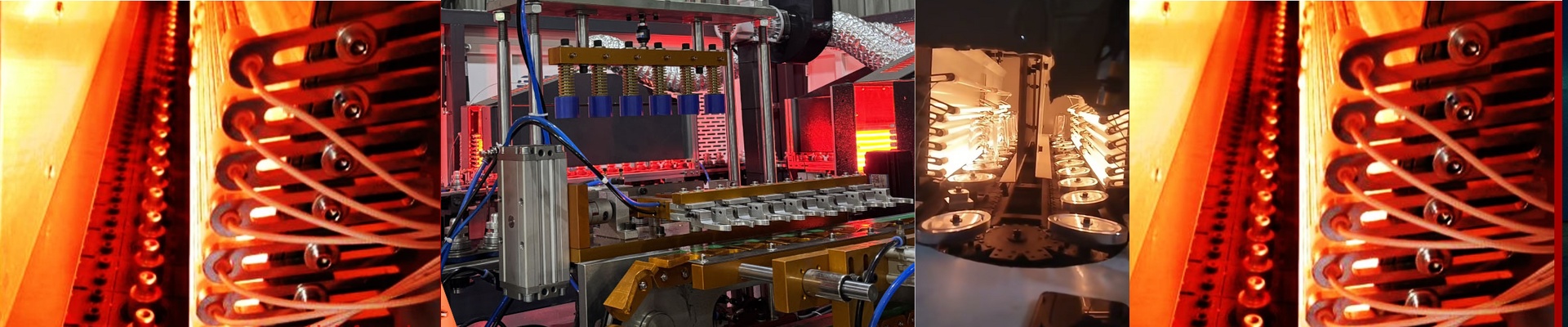
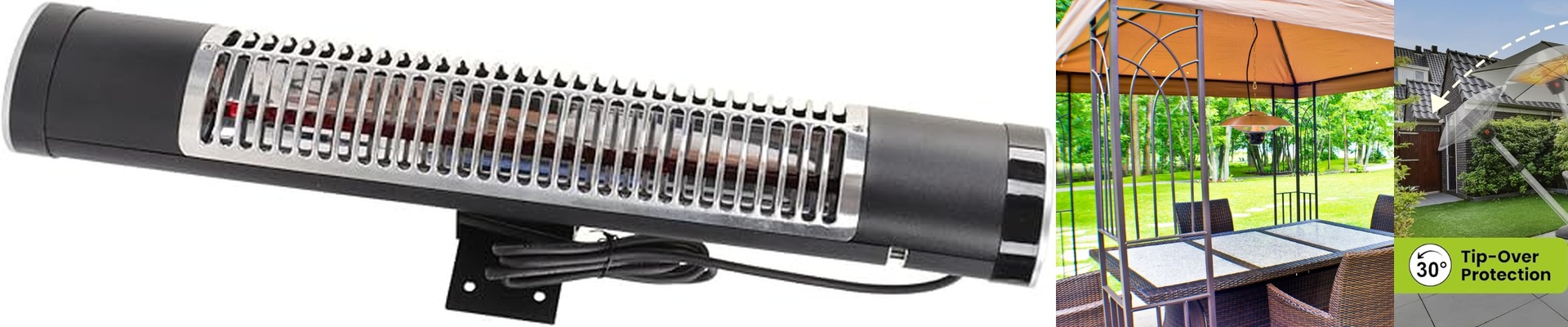
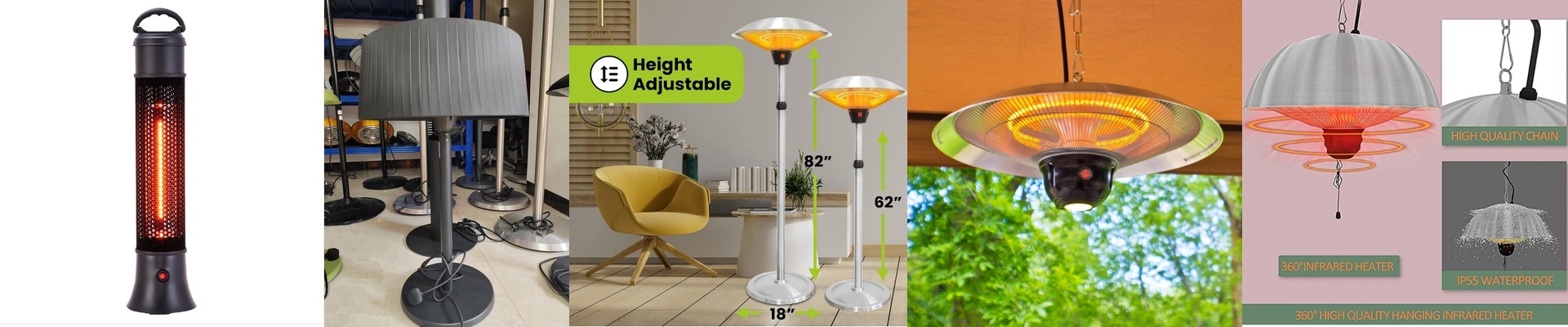
A mantle fireplace heater earns its keep with radiant heat that’s quiet and clean. Inside, you’re typically looking at a long-life infrared element—carbon fiber or quartz-based—that throws gentle, directional warmth. It heats people and surfaces first, instead of wasting energy warming the whole volume of air. That’s why you feel it faster than the room’s air temperature suggests. Most models run on standard 120V household power, so setup is straightforward—no gas line, no flue, and nothing burning inside your home. A built-in thermostat keeps output steady, and safety basics like tip-over protection and overheat cutoff are there so day-to-day use stays worry-free.
Why it fits modern home life
Today’s homes want warmth that shows up on demand and plays nice with how we actually live—open living rooms, drafty corners, and evenings that stretch. That’s where a mantle fireplace heater shines: spot heating that feels natural. You get the look and glow of a hearth without the headaches of a traditional fireplace, and you can put the heat where it matters—by the sofa, next to a reading chair, or in a dining area that gets used long after sunset. Because the heat is radiant, you feel it more evenly across your body—less cold air rushing around, more steady comfort. On mild nights, that can mean you keep the central system conservative and still feel cozy.
The practical stuff—placement, power, and environment
Radiant electric heat works best when it has a clear target—people, furniture, flooring—so you’ll see the strongest results in open, unobstructed layouts. Tight, poorly insulated spaces aren’t ideal. For placement, stick to the clearances the unit specifies, and don’t block the front or top surfaces. You want the warmth radiating freely. Most mantle fireplace heaters plug into a standard outlet, but if your home has older wiring or limited circuit capacity, check the amperage on the circuit you plan to use. In humid areas, pay attention to the IP rating if the heater sits near bathrooms or rooms that open to the outdoors. Moisture can do a number on electrical components over time, even when the unit is intended for dry indoor use. Used with common sense, a mantle fireplace heater is one of the simplest ways to bring focused warmth into a home—no fuss, no compromises, and an easy kind of efficiency that makes evenings feel a little simpler.