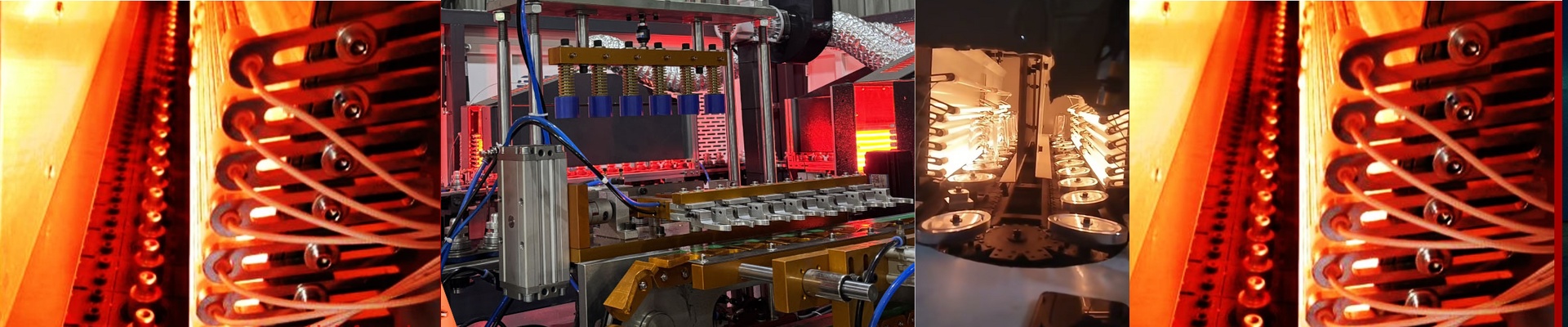
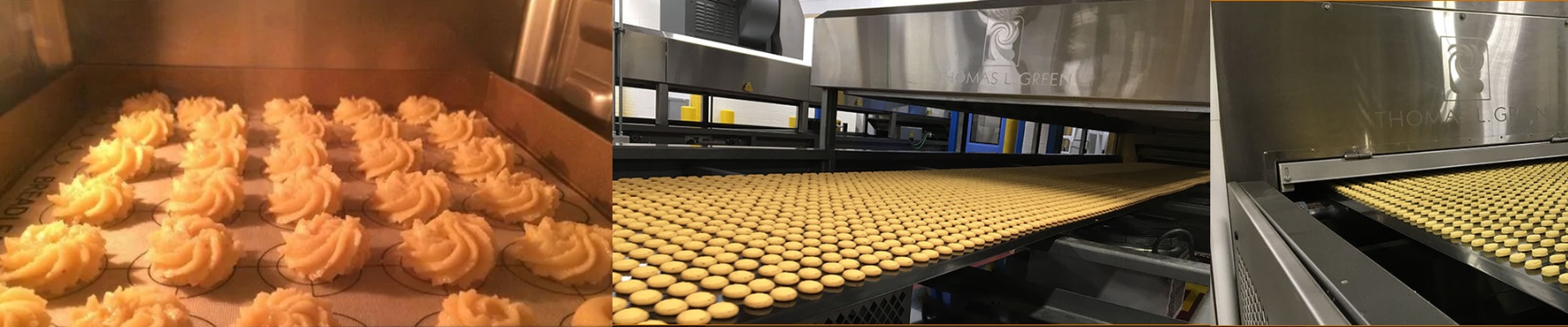
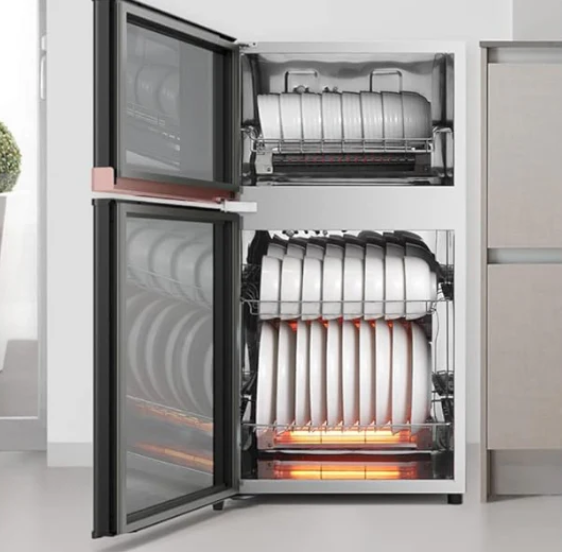
When the line is moving and the deck oven is loaded, you don’t need more heat—you need heat where it counts, right when you need it. Slow recovery stretches bake times, pushes proofed dough, and leaves crusts washed out. The 110V infrared bulb for bread ovens is there to bring the top heat back fast, so bread and flatbreads finish evenly without drying the crumb. What’s actually important under the hood We run this as a 110V infrared unit with a quartz envelope, because it heats quickly and holds steady output through repeated on/off cycles. The short-wave energy gets right into the dough surface and drives caramelization, giving you a crisp crust that breaks clean—no burnt edges over a gummy center. In a deck oven, it sits close to the stone hearth, delivering directional heat that helps you control spotting and color. You get fast warm-up, tight recovery after door swings, and consistent output all through service. Here’s why it matters in practice. In a busy bake-to-order flow, recovery is the bottleneck. This bulb pulls the deck back to temp faster, which shortens bake windows and protects dough structure. You see more even color across the sheet, a drier, crisper crust, and a tender, well-aerated crumb. It also keeps you from chasing temperature by overheating the whole baking chamber, which dries out bread and wastes energy. In rotary and convection ovens, it can back up top browning when the airflow is set for volume, not surface finish. Now for the shop-floor details. Installation is straightforward, but clearance is non-negotiable. Keep the bulb at the manufacturer’s recommended distance from dough and the hearth, or you’ll invite hot spots. Match socket type and wattage to your oven spec—this is a 110V system, not a 220V run. Handle the quartz with clean, dry gloves to avoid hot-spot failures. Expect strong output, and plan routine checks in high-humidity kitchens to keep connections tight and reflectors clean.