
Getting to the Heart of the Heater: Power, Voltage, and Size
Let’s talk about the 400V 2500W Ceramic PTC heater. We built it to pack a serious punch into a small space. Running it at 400V is a smart move. It pulls less current than those lower-voltage options, which means you can get away with smaller wires. The whole wiring job gets a lot simpler. At 300mm long, it focuses that 2500W of power right where you need it. You get a steady, predictable heat profile, which is perfect for jobs that demand precise temperature control. And it heats up fast. Seriously fast. But here’s the catch: that kind of power density needs proper airflow or a good heat sink. You have to keep the surrounding electronics and mechanics from getting too toasty.
What’s Inside: A Smart Core and a Tough Build
The heart of this thing is the ceramic PTC core. It’s self-regulating, which is a huge relief. It means the heater can’t overheat and run away on you. As it gets close to the target temperature, its resistance naturally climbs and the current drops. That’s a big deal. It often removes the need for an external thermostat in machines that run at a fixed temperature. Less parts. Less fuss. The quartz envelope is built to take thermal shock without cracking. And the halogen fill inside keeps the filament stable, so you get consistent heat over the heater’s entire life. Then there’s the R7s connector. It’s a direct, drop-in fit for standard sockets. You can wire it up in minutes. No custom lugs. No adapters. Just plug it in and go.
Built for the Grind: Where It Shines
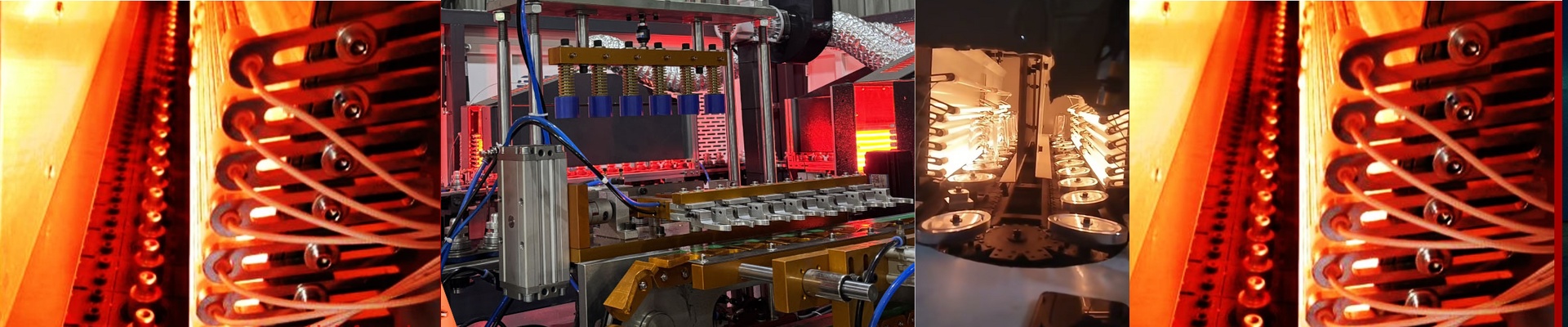
This heater is for the tight spots, the places where you need the heat to be exactly the same, every single time. Think PET blowing, plastic welding, or sealing packaging. The self-limiting feature is a lifesaver. If the airflow gets cut off, the risk of burnout drops dramatically. And that R7s connection? It makes swapping out a unit on the production line quick and painless. You get fast stabilization, rock-solid resistance, and a design that can handle the daily abuse of a busy plant floor. Just remember, that high watt density means you have to plan your mounting and thermal management carefully. You want to make sure you’re not cooking the components next door.