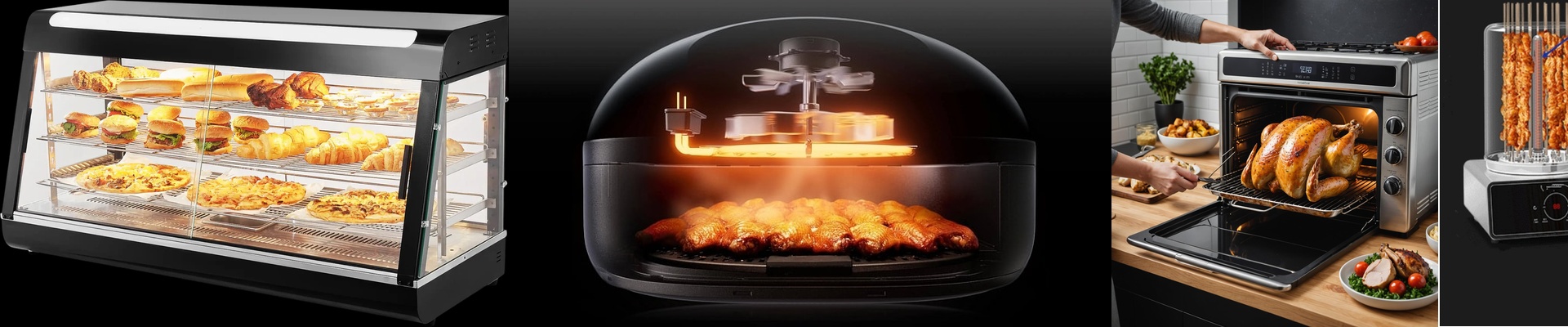
You know the scene. The line is moving, ovens are maxed out, and your heated display is supposed to be the steady part of the operation—keeping pizza slices hot, pastries flaky, and carved meats moist until the order gets called. Then the heat starts to wander. The top goes dry, the bottom cools off, and you’re stuck shuffling product, eating quality, or rushing a reheat that wrecks the texture you worked to build. In a warming display, the heating element isn’t just about hitting a number. It’s about holding food where you want it—without scorching, without drying, and without wasting energy that hits your bottom line. That’s why short wave quartz tubes have earned their place in commercial kitchens that run on repeatable results.
What matters, technically
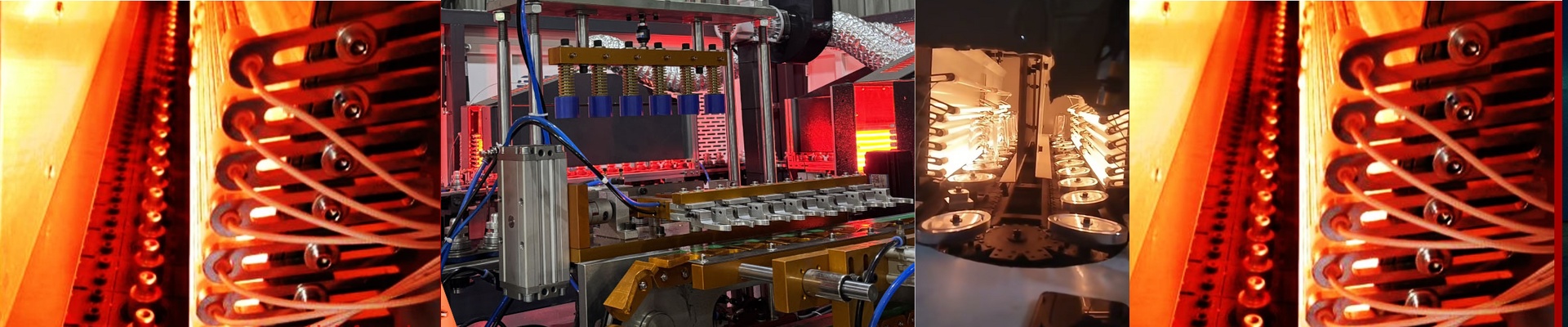
A short wave quartz tube delivers infrared energy in the short-wave band, which means fast response and tight control. The filament comes up quickly, and the output reacts immediately to changes in demand—so you’re not waiting around for a heavy element to warm a big mass of air. In real-world terms, that gives you:
- **Fast heat-up:**You hit holding temps fast, so you can bring a display case online quickly when a rush hits.
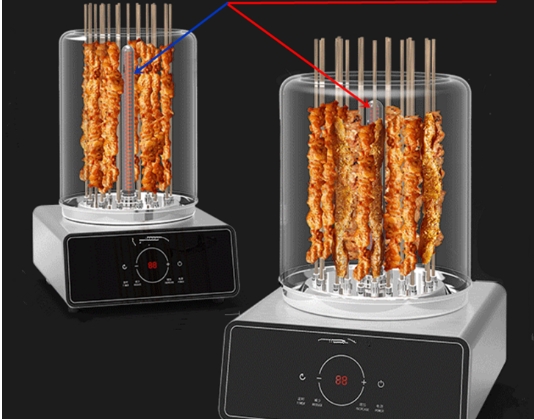
- **Direct, focused heat:**The energy goes where it’s aimed—onto the pans and the product—instead of getting lost warming empty air.
- **Repeatable control:**With a solid thermostat, short wave quartz holds setpoints steadily, so the case doesn’t swing between under-heated and over-heated. The quartz envelope matters, too. Quartz handles high temperatures without softening, and it stays clear, so heat transfer stays consistent over time. In a busy kitchen, that reliability shows up as fewer temperature swings, fewer hot spots, and fewer service interruptions. We design these tubes to fit the way common warming equipment is built—mounting points, electrical connections, and power ratings that match typical commercial warming cabinets and heated display units. When you spec the tube to match the unit, the holding performance stays stable without guesswork.
Why this works in the real world
Warming isn’t one-size-fits-all. The heat profile you need for pizza isn’t the same as what you need for laminated pastries, and neither is the same as what keeps carved meats juicy.
Pizza: keep the crust right, not just the toppings
Pizza holding falls apart when the heat is in the wrong place. If the top burns before the bottom stays hot, you lose the crisp that makes your slice worth ordering. Short wave quartz tubes put the heat where it matters, helping maintain crust texture while holding cheese and toppings at service temperature. The payoff is fewer reworked slices and a display that stays consistent from the first ticket to the last.
Bakery: protect lamination and moisture
With croissants, Danish, and puff pastries, warming has to preserve layers and softness. Harsh, dry heat turns lamination gummy and crusts leathery. A short wave quartz system gives even, controlled warmth that helps keep pastries tender inside and intact outside. In a bakery workflow, that means less product loss and a case that still looks fresh at closing time.
Roasting and grill service: hold juicy, not dry
Sliced roasts and grilled proteins need holding that warms the surface without cooking the interior dry. Short wave heat helps you hold at temperature without forcing the surface to overcook. That matters when service runs long and the last portions have to plate with the same yield and mouthfeel as the first.
General warming: consistency that keeps service moving
When the display is predictable, service speeds up. Staff aren’t constantly checking and adjusting, and tickets don’t stall while you try to recover heat. Fast recovery from a cold start also helps when demand spikes—pop-up catering, rush hour, or that shift-change rush that hits all at once. Across these uses, you also pick up efficiency. Short wave quartz tubes focus energy where it’s needed, which can cut wasted heat and help control energy use during long holding periods. That shows up in the day-to-day as steadier temperatures, fewer spikes, and more consistent food quality.
The practical details
Short wave quartz tubes do their best work when the equipment and the routine are set up right.
- **Compatibility:**The tube has to match the unit—voltage, wattage, mounting method, and wiring configuration. If the specs don’t line up, performance and safety both take a hit.
- **Clear line of sight:**Infrared heat works best when the tube has an unobstructed view of the product. Pans, racks, and shields can create shadows that lead to uneven holding.
- **Temperature control:**Use a thermostat or control strategy matched to the load and the display’s airflow. Overshoot happens when the control isn’t matched to how fast the heat responds.
- **Kitchen environment:**High humidity isn’t a problem for the tube itself, but moisture and cleaning routines matter for electrical connections and mounting hardware. Keep terminals clean and dry. One real-world trade-off: quartz tubes are tough, but they’re not indestructible. Treat them like any precision heating component—avoid contact with tools, racks, or falling pans, and install with care. A little caution up front prevents downtime when you need the display most. If your warming display has been fighting you—slow to recover, drifting in temperature, constantly messing with quality—changing the heating method is the most direct way to get control back. Short wave quartz tubes give you fast response, stable holding, and repeatable results, so the front line of your service—your display case—keeps putting out the food your customers expect.