


Getting Your IR Heating Right (Without the OEM Headache)
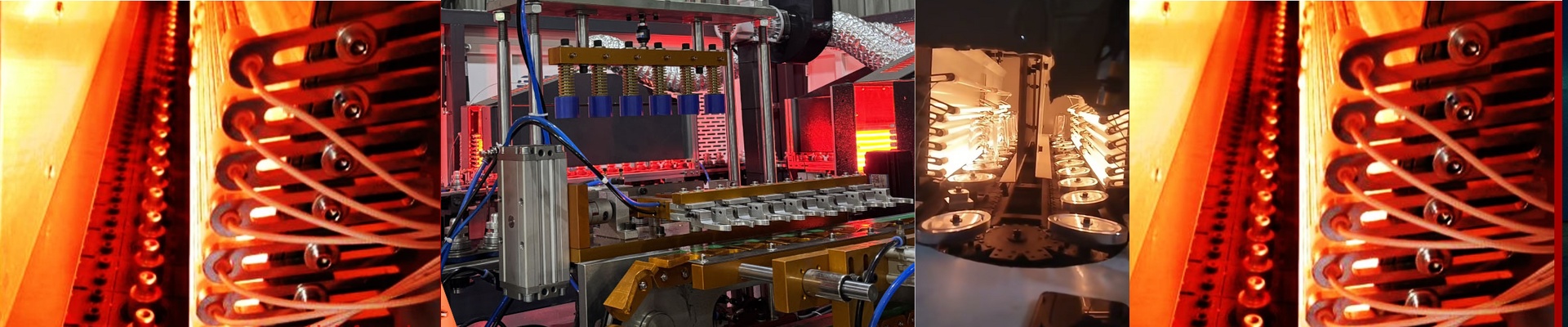
If you’ve ever dealt with wall thickness issues in your PET bottles, you know the frustration. It usually comes down to one thing: your thermal profile is off. That’s why we built our infrared lamps to be simple, drop-in replacements for Krones and most other big-name blowing systems. In fact, they fit about 95% of the machines already running on shop floors today. Let’s talk about power. Getting the voltage and wattage right isn’t just about making the bulb glow. It’s about the actual heat hitting the plastic. We usually build our high-output tubes for either 230V or 400V. If you go with a 400V tube, you can pack more wattage into a shorter space. It heats the preforms faster, which is great for speed, but it’s harder on your power supply. Just double-check that your electrical panels can handle the load, or you’ll be staring at a tripped breaker more often than you’d like. The nitty-gritty on glass and plugs. We use high-purity quartz glass because these things go through a brutal cycle of heating up and cooling down. To make your life easier, we stick to standard R7s and Sk15 connectors. They fit tight. No gaps, no arcing, and no burnt-out pins. You’ve got a choice between clear and coated tubes here. Coated ones are better at pushing heat deep into the PET plastic, but they don’t last quite as long as the clear quartz when you’re pushing them hard. Making it work on the floor. The best part? These are designed for a fast swap. You don’t have to rewire the oven or mess around with the lamp holders. Since we keep a huge stock of different lengths and wattages, you can just grab a replacement and get back to work instead of waiting weeks for an OEM shipment to arrive. Just a quick tip: check your tube length and current draw before you pop the new one in. And if you’re running at full tilt, keep those cooling fans clean. If the oven gets too hot, your filaments will burn out way faster than they should.