

In an office, a cold draft isn’t just uncomfortable—it quietly makes the body work harder. For older adults especially, that extra strain can show up as tight shoulders, stiff joints, and a heart that’s doing more to hold steady core temperature. Traditional hot-air systems churn warm air around, and that usually means swings and drafts. Infrared office heaters take a different approach.
What matters under the hood
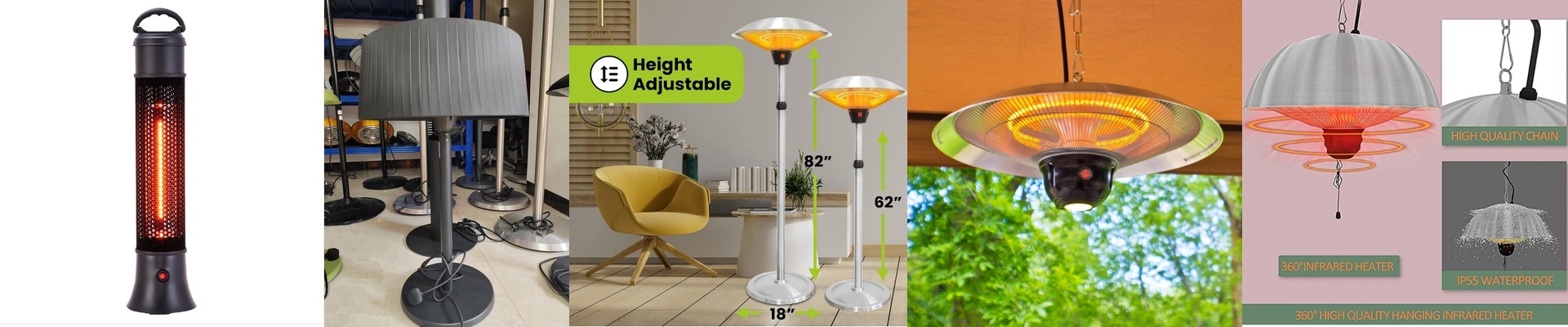
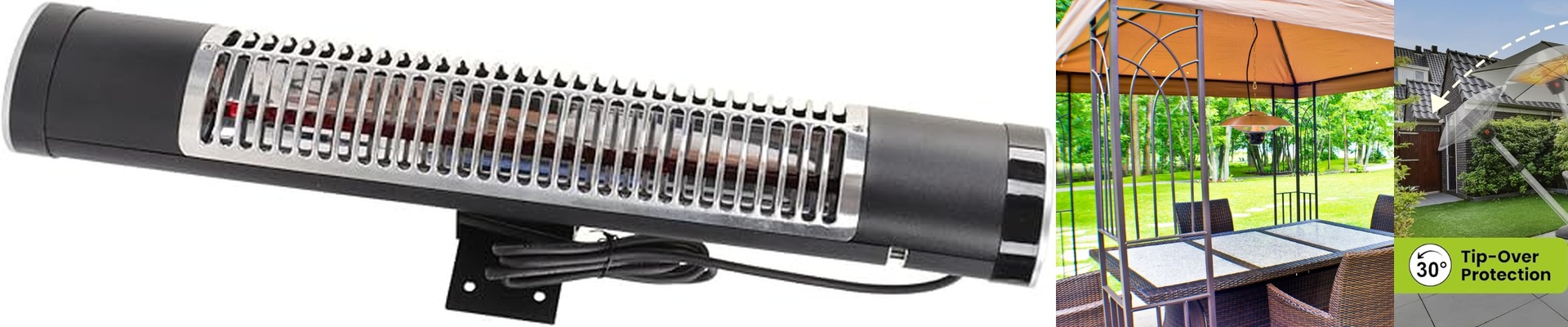
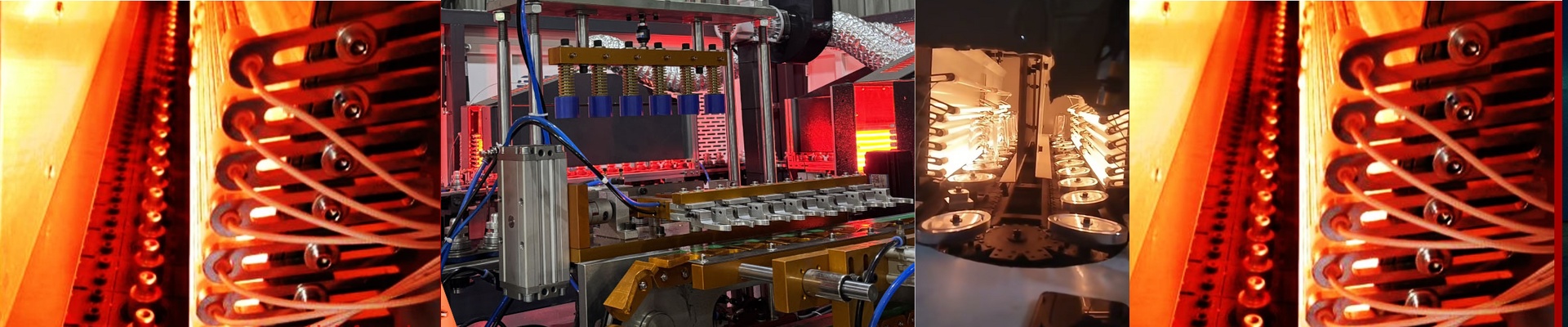
We build our infrared heaters around a carbon fiber element that puts out medium-wave radiant heat. The warmth travels outward at a wavelength that heats people, desks, and surfaces directly—without having to heat the air first. In practice, you feel the warmth within seconds of turning it on, and the air stays calm instead of being pushed and pulled. The unit runs quietly, runs on standard 120V power, and uses an adjustable thermostat so the space holds steady instead of bouncing between too hot and too cold.
Why this matters for comfort
For midlife and older occupants, the comfort difference isn’t just a feeling. Steady, gentle radiant warmth supports circulation by warming the skin and the tissues underneath—without the jolt of moving air. That means fewer sudden temperature shifts that can trigger vasoconstriction and add cardiovascular load. The body settles: less shivering, less muscle guarding, and a calmer workday. In an office, that shows up as fewer complaints, fewer thermostat tweaks, and a space that actually feels welcoming.
The practical details
Infrared warmth works best when people and objects are in the direct line of sight, so placement matters. Point the heater toward seating areas and common walkways, and keep it at least three feet from combustible materials. Because radiant heat doesn’t warm the air first, a well-sealed room helps maintain comfort. For best results, pair the heater with a gentle ceiling fan to keep air moving without creating drafts.