
Why Quartz Heating is the Secret to Actually Consistent Baking
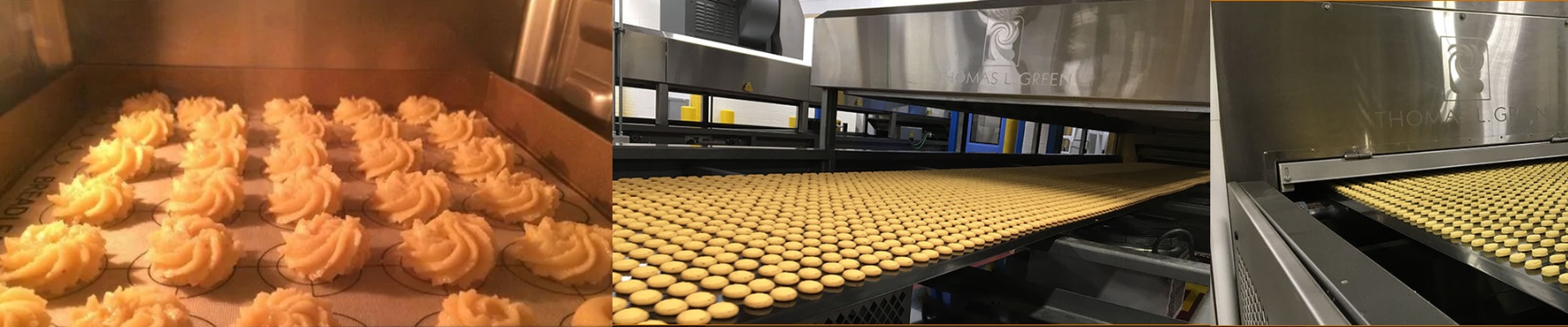
Ever pull a tray of cookies out of the oven only to find the edges are burnt to a crisp while the middle is basically raw dough? It’s frustrating. Most of the time, that happens because your oven can’t actually hold its temperature. It swings up and down, creating those annoying “hot spots” that ruin a good batch. That’s why we use high-purity quartz tubes. Instead of waiting for the air inside the oven to slowly warm up, quartz uses infrared transmission. In plain English? The heat hits your food almost instantly.
The Problem with “Slow” Heat
Standard heating elements are bulky. They take forever to get hot, and once they’re glowing, they stay hot long after the oven clicks off. Quartz is different. It’s snappy. The second the thermostat cuts the power, the heat drops. This is huge if you’re making something finicky, like macarons or a sponge cake. With those, even a tiny 10-degree jump over your target temp can be the difference between a masterpiece and a disaster. You need that fast “on-off” cycle to keep things steady.
How the Material Actually Works
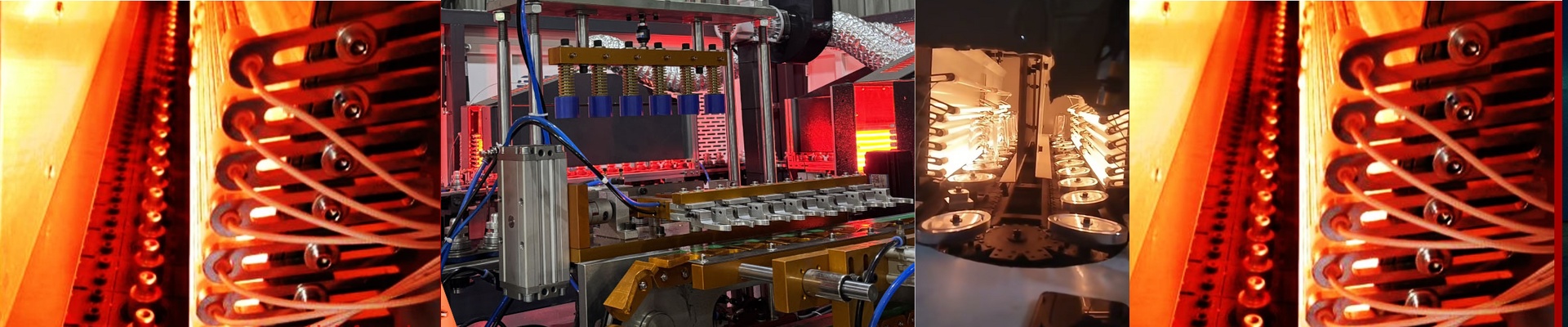
We use high-grade fused silica for these tubes so they don’t crack under the pressure of heating up and cooling down over and over. Because quartz glass lets short-wave infrared radiation pass right through, you get direct radiant heat. It’s the reason you can get a gorgeous, golden-brown crust on top of a pastry without drying out the bottom. One heads-up, though:quartz is fragile. It can handle the heat, but it hates being bumped or squeezed. If you’re installing them, just make sure your mounting brackets aren’t pinching the tube, or you’re going to end up with a crack.
The Trade-off
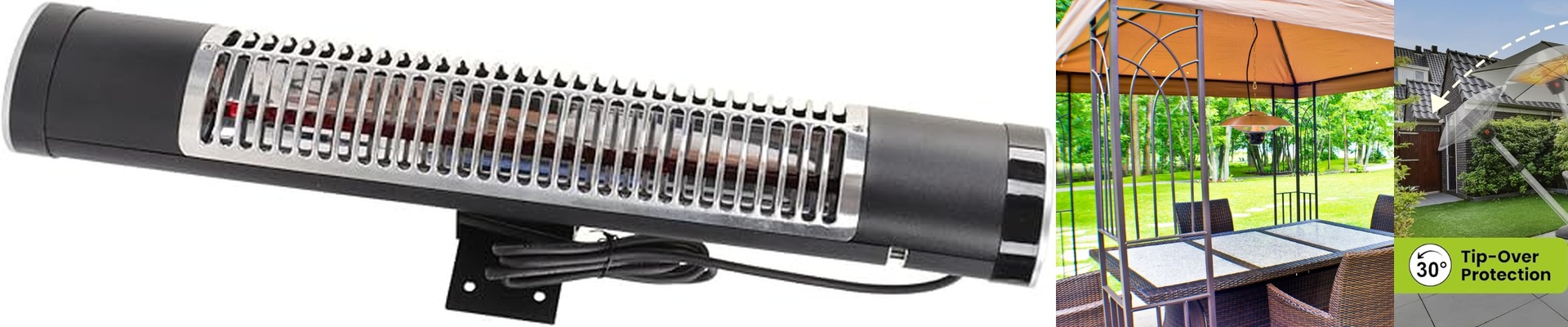
Here’s the thing: because quartz tubes are so efficient, they pack a lot of heat into a small space. The surface of the tube gets hot—fast. If your oven doesn’t have enough venting, that heat has nowhere to go, and the outside of the machine will start to feel like a furnace. It’s all a balancing act. You have to match the wattage of the tube with the right airflow so you don’t accidentally fry your own electronics.