

The lights are low, the screen is bright, and your home theater should swallow you whole. Then the air turns cool, and the forced-air heater kicks in—whoosh, hum, rattle. The noise yanks you right out of the story before the plot has a chance to grab you.
What matters under the hood
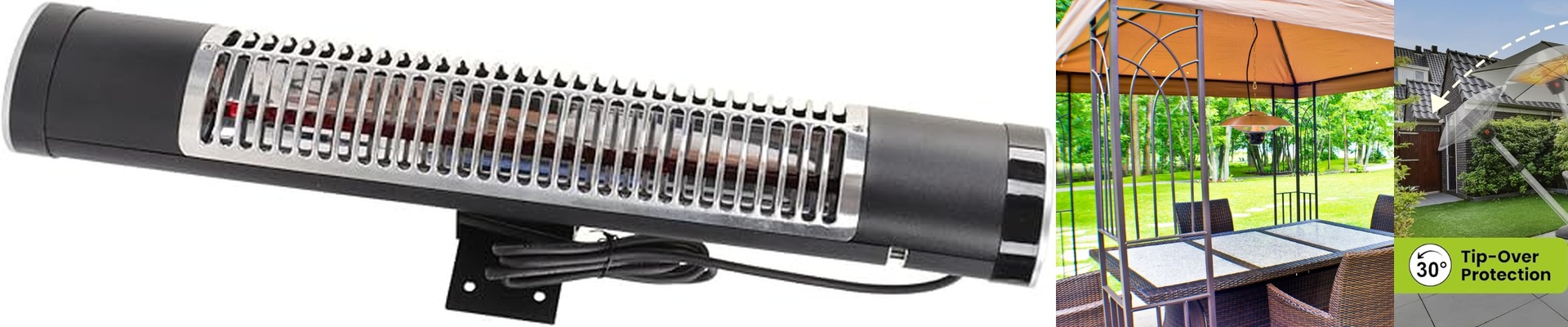
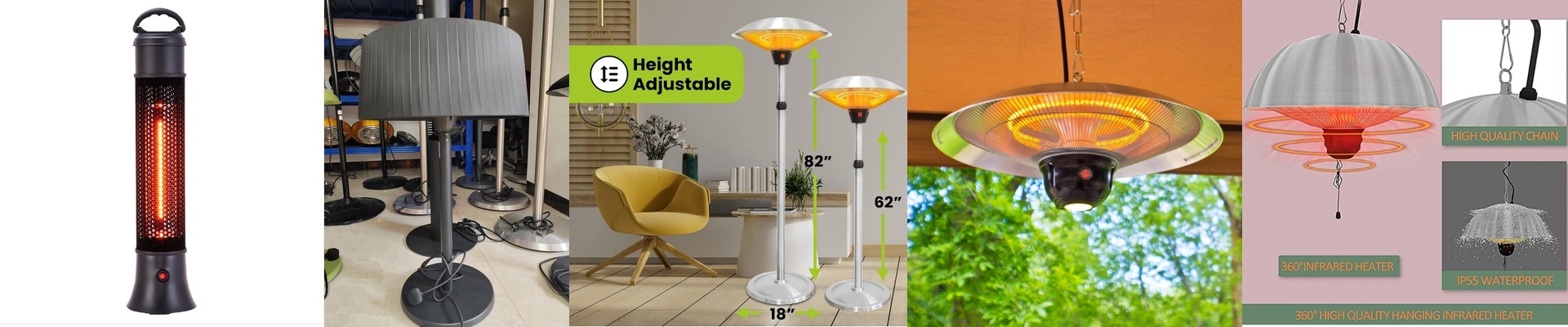
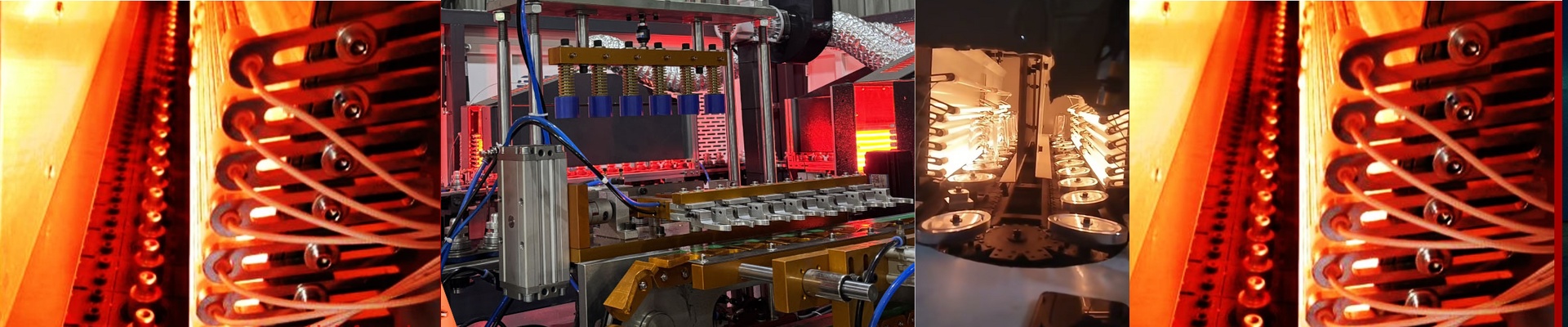
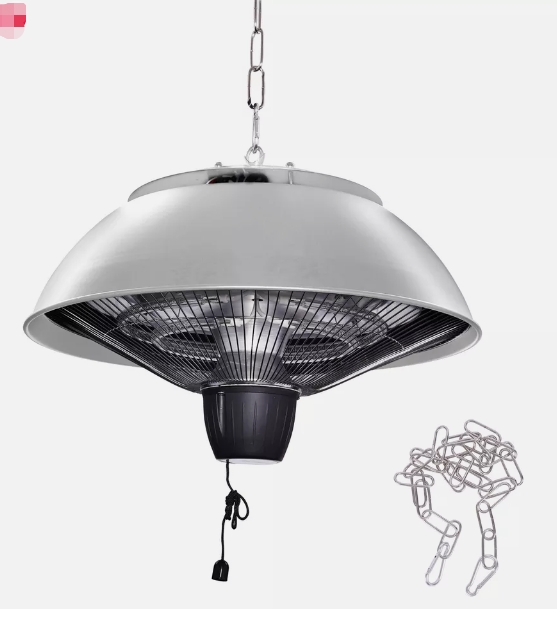
We built this infrared electric heater on a straightforward idea: warmth without moving air. A high-purity quartz tube holds a carbon fiber element, turning electricity into radiant heat that travels straight to people and surfaces. You get near-instant warmth—often within seconds of flipping it on—without a fan to stir up dust or add background noise. A thermostat controls output, so you hold a steady temperature instead of chasing the swings from cycling on and off. The unit stays compact, plugs into a standard outlet, and runs with a quiet, low-vibration design that keeps the room’s acoustics intact.
Why this works in a home theater
Home theater is about focus. Infrared warmth keeps that focus because it doesn’t push air around. You feel the heat on your skin, the room stays even, and the sound stays clean—no fan noise, no drafts, no dryness that tires eyes and throat. It warms seats and viewers fast, so the session starts on time and stays comfortable through long movies. Because the warmth is directional and localized, you can keep the main room cooler for equipment and trim energy use, while still creating a cozy viewing bubble.
The practical stuff
Infrared heat does its best work with a clear line of sight. Place the heater so it hits the main seating area directly, and don’t block it with tall furniture. It warms people first, so for larger rooms or very open layouts, you may want a second unit or a gentle supplement. Always keep clearance around the heater and follow the included mounting guidance. For the best feel, pair it with soft, absorbent furnishings—they hold warmth and cut down on reflections, so you get comfort without glare or hot spots.