

Making Smart Infrared Heaters That Actually Survive the Elements
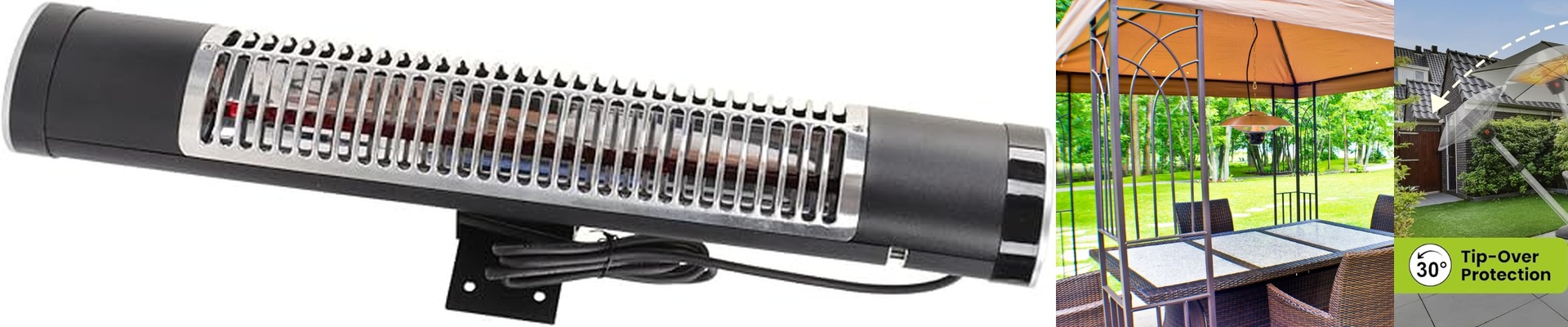
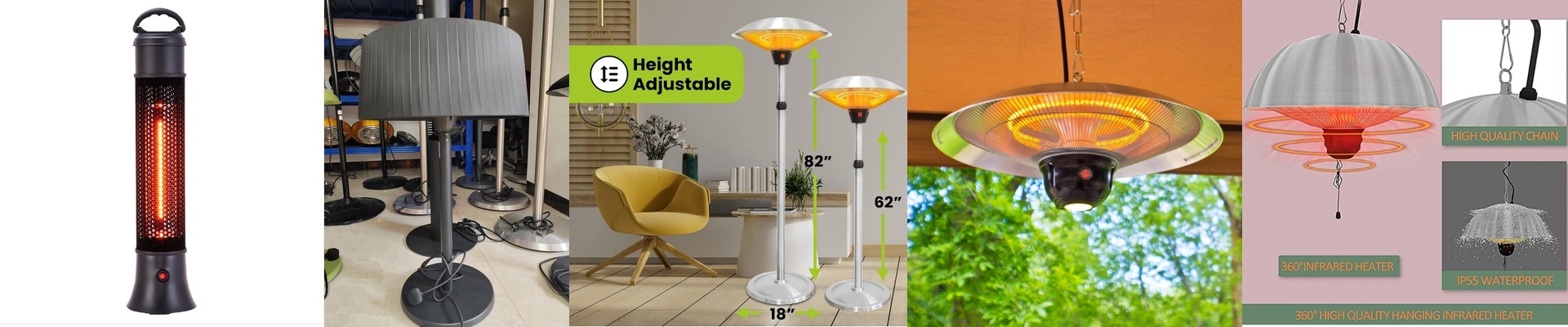
If you’re putting an infrared heater in a bathroom or out on a patio, you can’t just slap a WiFi chip on it and call it a day. You’ve got to deal with water. That’s where IPX5 comes in. It’s basically a fancy way of saying we’ve sealed the chassis and the electrical joints so a stray spray of water doesn’t turn your heater into a giant short circuit. Because let’s be honest: water and high-voltage electronics are a terrible mix.
That “Instant” Warmth
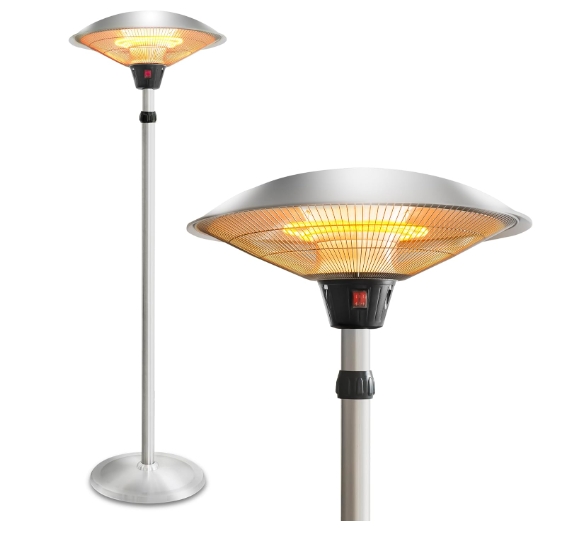
We use short-wave infrared for these. The best part? It doesn’t waste time trying to warm up the air in the room. Instead, it sends heat straight to you. We use high-wattage quartz tubes to make this happen. The second that relay clicks, you feel it. No waiting around in a cold room for twenty minutes. It’s just…warm. Immediately.
Getting it to Talk to Your Phone
To make this work with an app or a remote, we have to bridge two different worlds: the high-voltage side that actually creates the heat, and the low-voltage side that handles the “smart” logic. A gateway sends a signal to a heavy-duty relay (or a TRIAC if you want to dim the heat), and that’s it. You can set up a “Morning Routine” scene so the bathroom is cozy before your feet even hit the floor.
A Few Real-World Warnings
Here is the thing: these heaters pull a lot of power. You can’t just plug these into a cheap smart plug you bought at the drugstore. You’ll likely fry it. You need dedicated circuits and the right gauge of wiring to keep everything stable. And a quick heads-up on the water stuff: IPX5 protects against sprays, not being dunked in a pool. If your installation spot is prone to flooding or you’re planning to blast it with a high-pressure hose, you’ll want to look at IPX7 instead. Also, don’t forget the sealants on your cable entries. If you leave a gap there, that IP rating doesn’t mean a thing.