
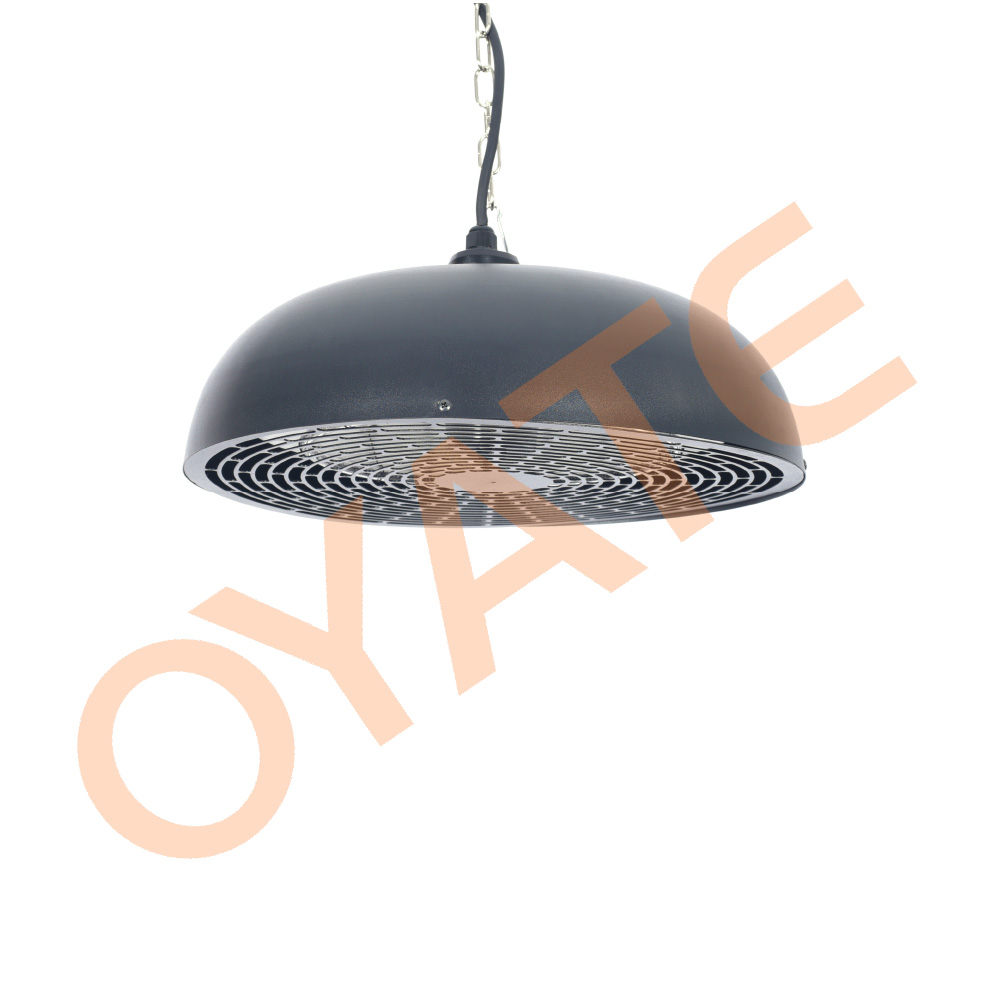
Why we put our bathroom lamps through the “steam torture test”
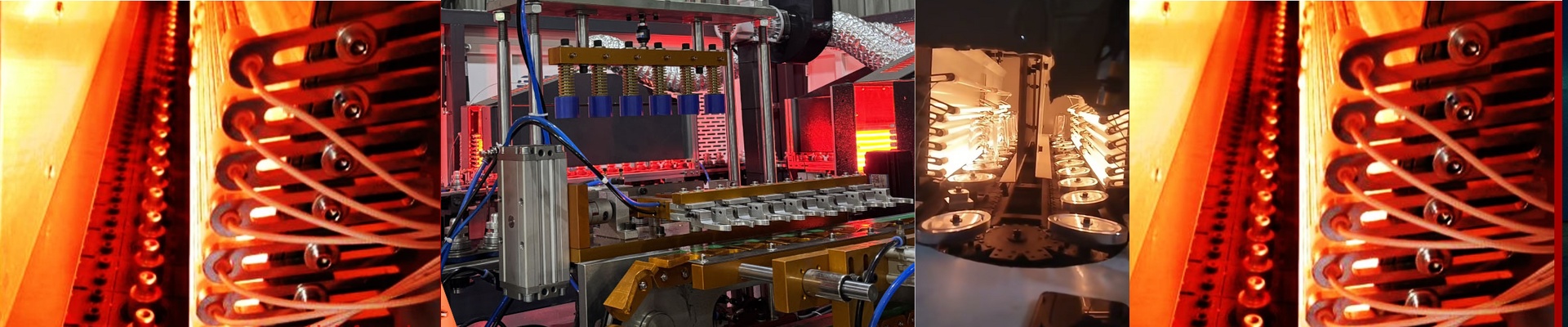
Let’s be honest: bathrooms are a nightmare for electronics. Between the sudden spikes in heat and the thick clouds of steam, it’s basically a torture chamber for heating elements. Humidity loves to find the tiniest gap in a seal, crawl inside, and corrode everything it touches. We’ve seen it happen too many times. A lamp looks great on day one, but by month three, it’s dead. That’s why we don’t just box these things up and ship them. We put every batch through a brutal damp-heat aging cycle. We want to break the lamps in our lab so they don’t break in your customer’s home. The battle against moisture Most of these Mirror heaters use infrared quartz tubes. Now, quartz is great with heat, but the seals and electrical terminals? Those are the weak spots. Water vapor is sneaky. It finds a microscopic gap, hits the tungsten filament or the connector, and boom—oxidation. That’s how you get a premature burnout or, even worse, a short circuit. So, we simulate years of steamy showers in a controlled chamber. We crank the humidity to the max and flip the power on and off repeatedly. If a seal is off by even a fraction of a millimeter, the lamp fails right there on our workbench. Handling the “shock” Then there’s the thermal stress. Think about it: one minute the bathroom is freezing, the next it’s a sauna. That rapid expansion and contraction—what we call thermal shock—can crack the glass or wiggle the wiring loose. Our tests make sure the lamps can take that beating without the glass fracturing or the heat dropping off. Finding the sweet spot Here’s the tricky part. You might think, “Just make the seals tighter!” But it’s a balancing act. If we seal the tube too tight, the internal gas pressure builds up too much when it gets hot, and the tube could actually pop. Too loose, and the humidity kills the filament. It’s a thin line to walk. But thanks to our test logs, we know exactly where that line is. You get lamps that don’t flicker and don’t quit after a few months of steam. We’ve already done the hard work of breaking them—so you don’t have to.