Engineering 360° Uniform Heat: How Infrared Halogen Elements Power Rapid Rotary Ovens
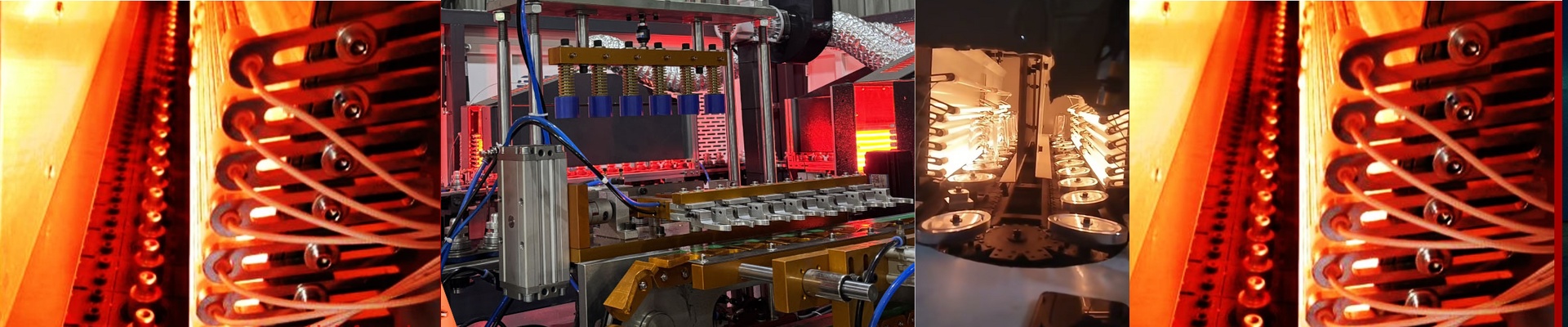
Here’s the thing about rotary ovens: they move fast, and you need heat that keeps up. No room for cold spots. So we built a heating element that doesn’t just warm things up—it hits the surface with a tight, focused burst of energy that gets right to work.
Technical Deep-Dive: Power, Voltage, and Dimensions
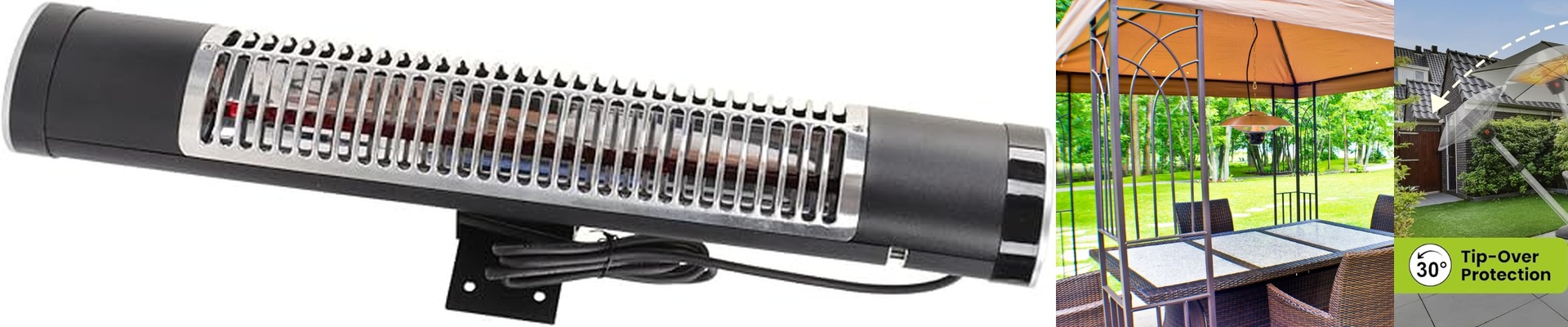
In a rotary oven, you need a lot of heat packed into a small space. That means the lamp is spec’d to match the machine’s power needs, usually running at 400V to handle the surge required for fast heating. The wattage is chosen to jump temperatures quickly, and the tube is often around 300mm—just the right size to sit inside the chamber without sticking out too far. Shorter tubes focus the beam, which is great, but they also crank up local heat. So your cooling and airflow have to keep pace with that thermal load.
Material & Design: Quartz, Coating, and the R7s Connection
Inside, you’ve got a halogen capsule wrapped in a quartz tube. Quartz handles sudden temperature shifts without cracking, and it stays clear even when things get scorching, so the infrared output stays steady. The reflective coating on the tube pushes energy outward, giving you a wider, more effective radiant field. And the R7s connector? It’s all about keeping things simple. It gives you a secure mount and a solid electrical connection, so swapping out the lamp during maintenance is quick. Less downtime. More uptime.
Application & Benefits: 360° Coverage in a Rotating System
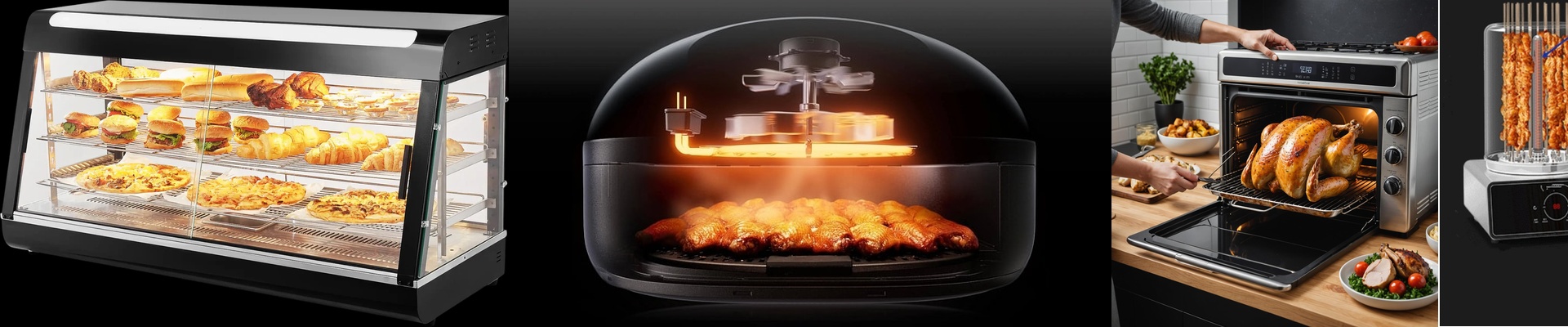
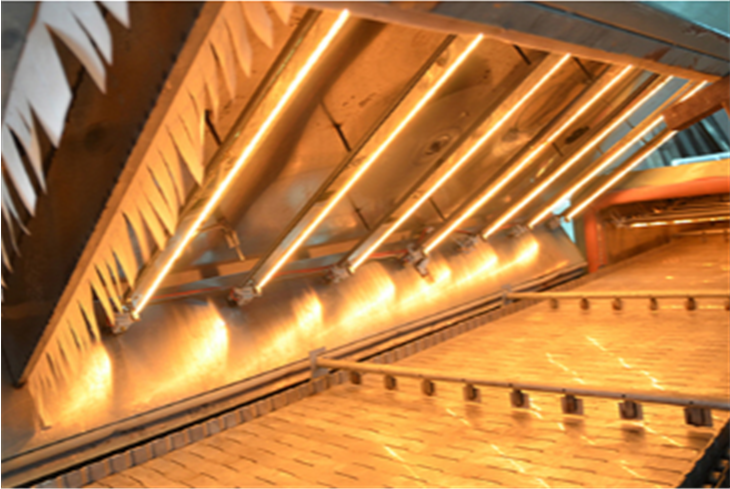
With a rotating oven, the motion does the heavy lifting. The infrared lamp throws radiant energy across the chamber, and the rotation spreads it evenly—360 degrees, no moving the lamp itself. You get uniform heating, and the oven recovers fast after the door opens, which matters when you’re holding steady heat for food displays. Just one note: higher wattage density means more ambient heat buildup in the oven shell and nearby parts. So you’ll want to plan for that.