The Need for Speed on the SACMI Line
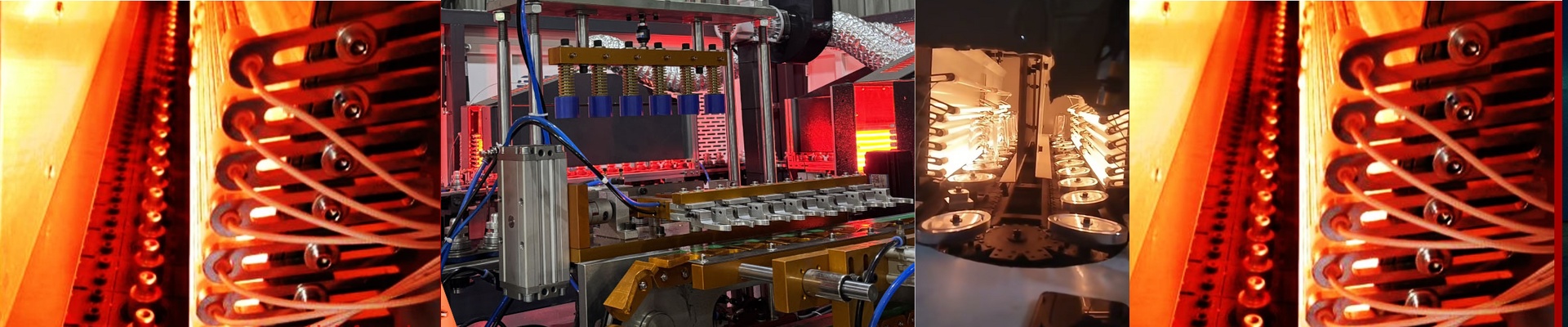
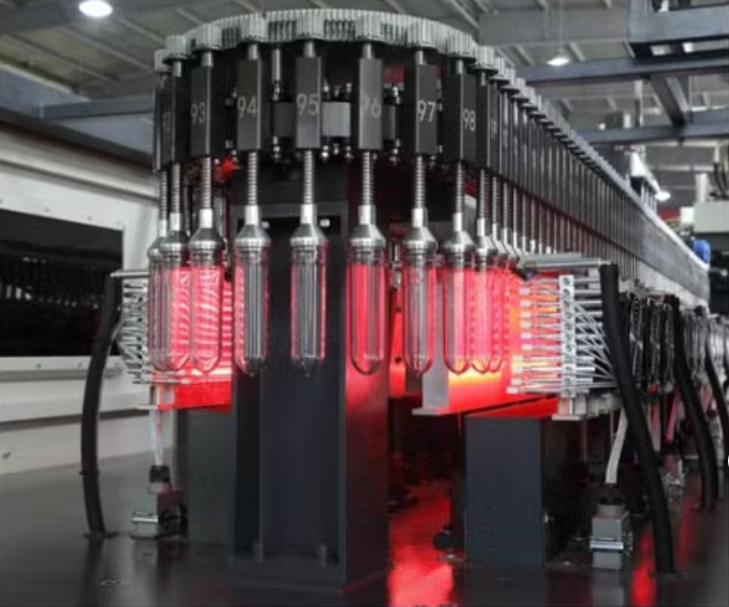
On a SACMI rotary blowing line, time is everything. Seriously, every fraction of a second matters. And the heating stage? It sets the whole pace. We designed our SIPA-compatible heating bulbs to wipe out that annoying start-up lag. The whole point is simple: get that PET preform to the perfect temperature, instantly. So the machine never misses a beat. It’s not just about cranking up the heat. It’s about hitting the exact temperature right from the first few lamp cycles, then locking it in—steady, cycle after cycle. When the lamp falls behind, the bottle weight starts to drift. And that means scrap.
Power and Voltage: Built to Match
We spec these lamps to deliver serious heat in a small space. The Voltage and wattage are matched perfectly to the SACMI machine’s power profile, so the lamp pulls its rated load without overheating the socket or underperforming on the preform. The 400V rating keeps things stable on an industrial power supply, which helps ease the load on the branch circuit. And the length? It’s tuned to fit the blowing station, so the heat spreads evenly over the preform. That means fewer hot spots and weak zones that lead to bursts and thin walls.
Quartz, Coating, and R7s: Built to Take the Heat
At the core, you’ve got a quartz envelope. It’s there for one reason: it heats up fast and can handle extreme temperatures. The internal halogen fill keeps the filament temperature steady, which means consistent infrared output every single time. A reflective coating directs all that energy forward, so it focuses right where it needs to go. And the R7s connector is the workhorse that ties it all together. It handles the current, sits flush, and makes a rock-solid electrical contact. It also makes the lamp a simple drop-in replacement. So when a tube burns out, you just swap it. No rewiring. No messing with the holder.
On the Line: Keeping SACMI Moving
In the real world, this setup means the lamp wakes up fast and settles in quickly. The SACMI machine sees a consistent preform temperature, so the blowing action is predictable. Now, the trade-off for that power is heat density—these lamps run hot. So you’ve got to make sure the machine’s cooling and airflow are up to the task. Keep it clean, and you’ll see fewer stops, steady output, and a lamp life you can count on.