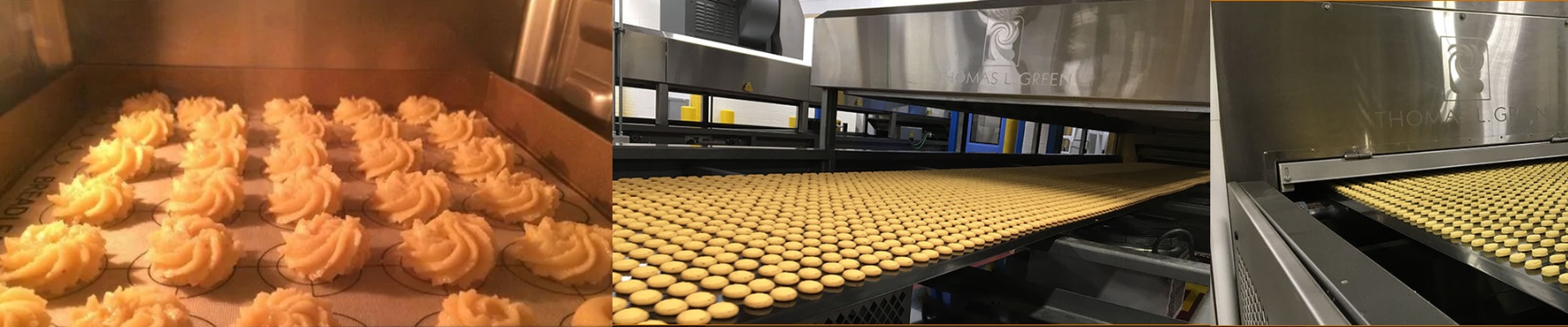
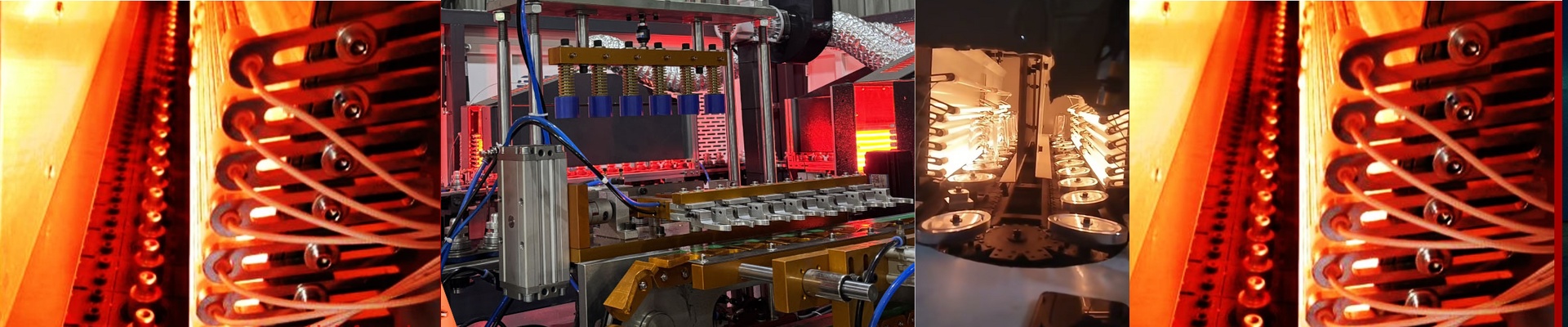
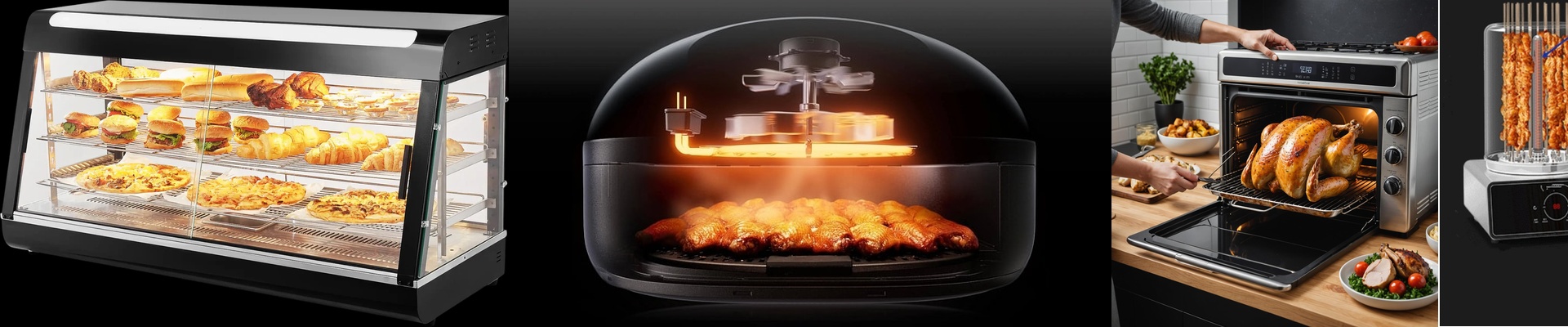
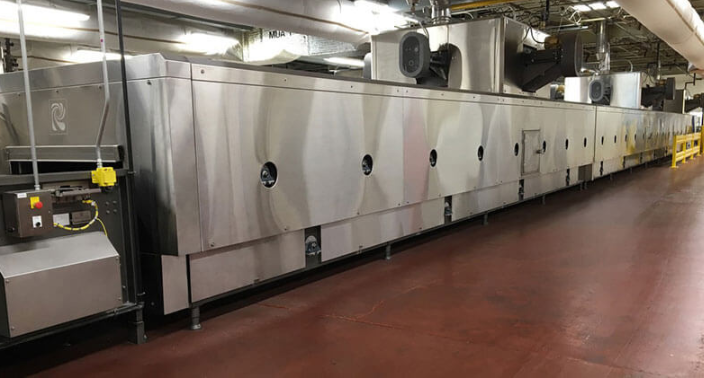
You know the feeling—deck ovens sitting idle too long, stone hearths lagging behind while orders stack up. Preheat delays and uneven heat eat minutes and rob your crust of character. The right heating element turns that headache into a bake you can count on, shift after shift. What matters under the hood We spec pizza oven heating elements to deliver heat fast and hold it steady, whether you’re running deck or rotary ovens. Medium-wave infrared emitters come up to temperature quickly, cutting preheat time and snapping back after door cycles. Paired with a high-mass stone hearth, that stored energy smooths out the baking chamber temperature and cuts the swings that cause spotting or scorching. Elements are rated for 240V or 380V service, built to take repeated thermal shock, and laid out to fit common oven footprints with clean terminal connections. In the real world, that translates to fewer temperature dips, tighter control, and more consistent caramelization across every pie. Why it works in a busy shop When service hits, you need speed without giving up quality. Faster preheat means the first bake starts on time, and rapid recovery keeps the line moving through the rush. You get even browning from the edge to the center, while the bottom sets clean without scorching. Energy use drops because the element comes up fast and holds steady, so you’re not burning gas or juice during long idle periods. Reliability follows: fewer replacements, less downtime, and ovens that show up and do the job, shift after shift. The practical details Match the element to your oven’s voltage, footprint, and control strategy. Medium-wave infrared shines in deck and rotary ovens, but it runs hotter than conventional elements, so respect clearances and insulation. Installation is straightforward, but heat management is the key—shield surrounding components and make sure the thermostat or controller can keep up. Plan on routine inspection and cleaning to protect output and get the lifespan you expect.