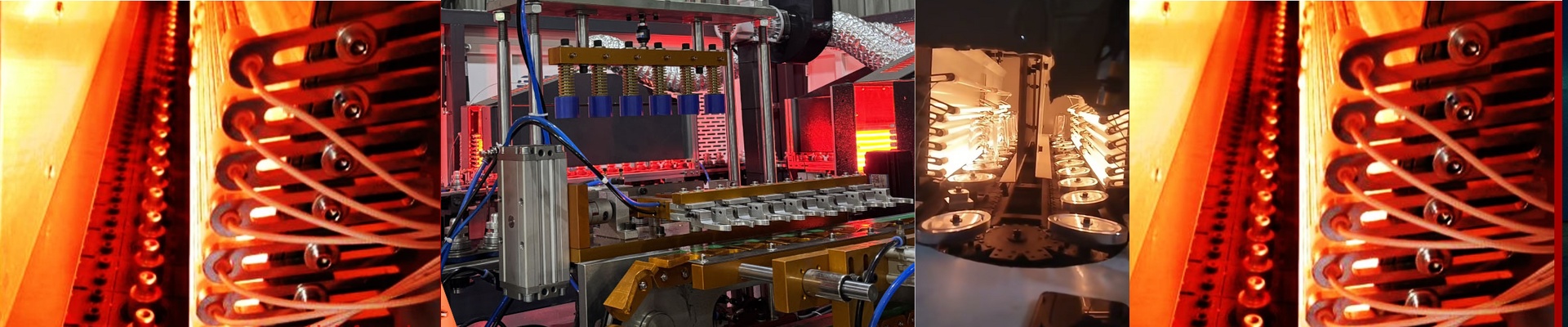
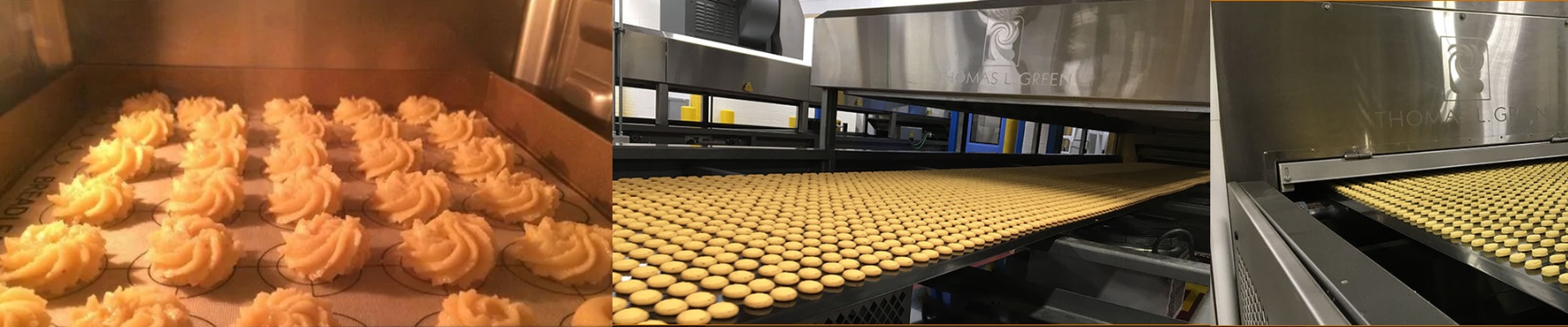
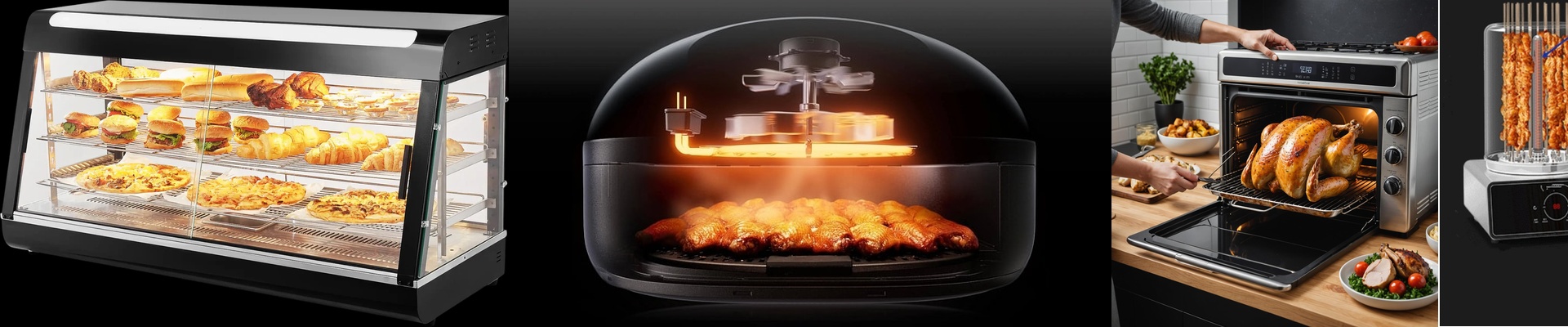
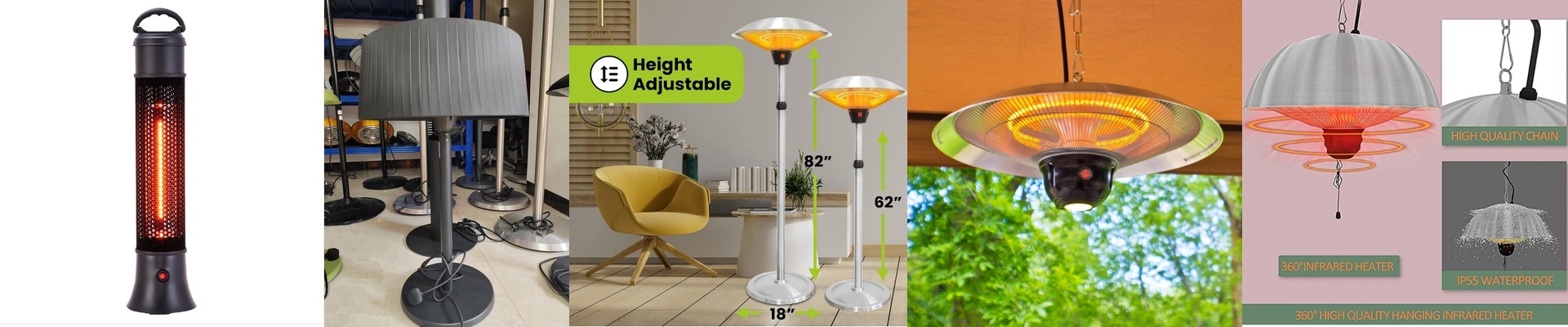
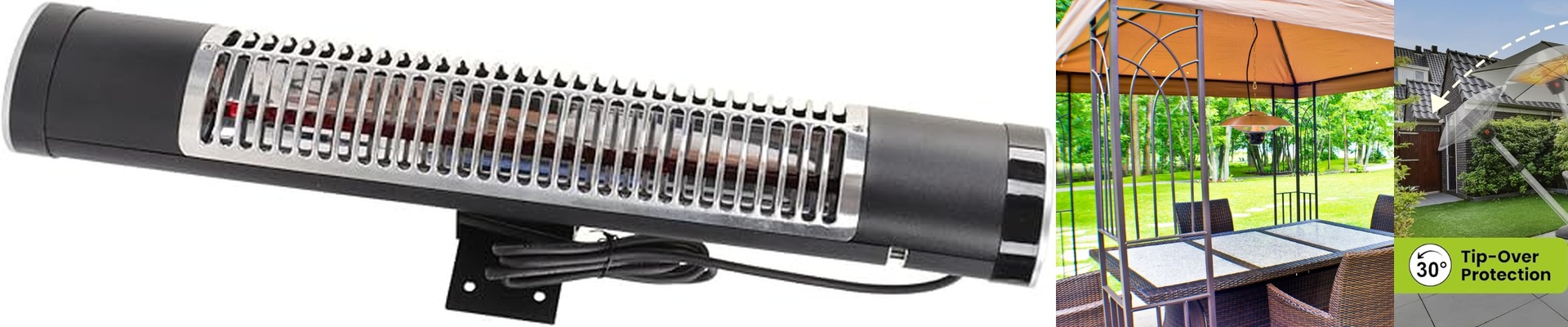
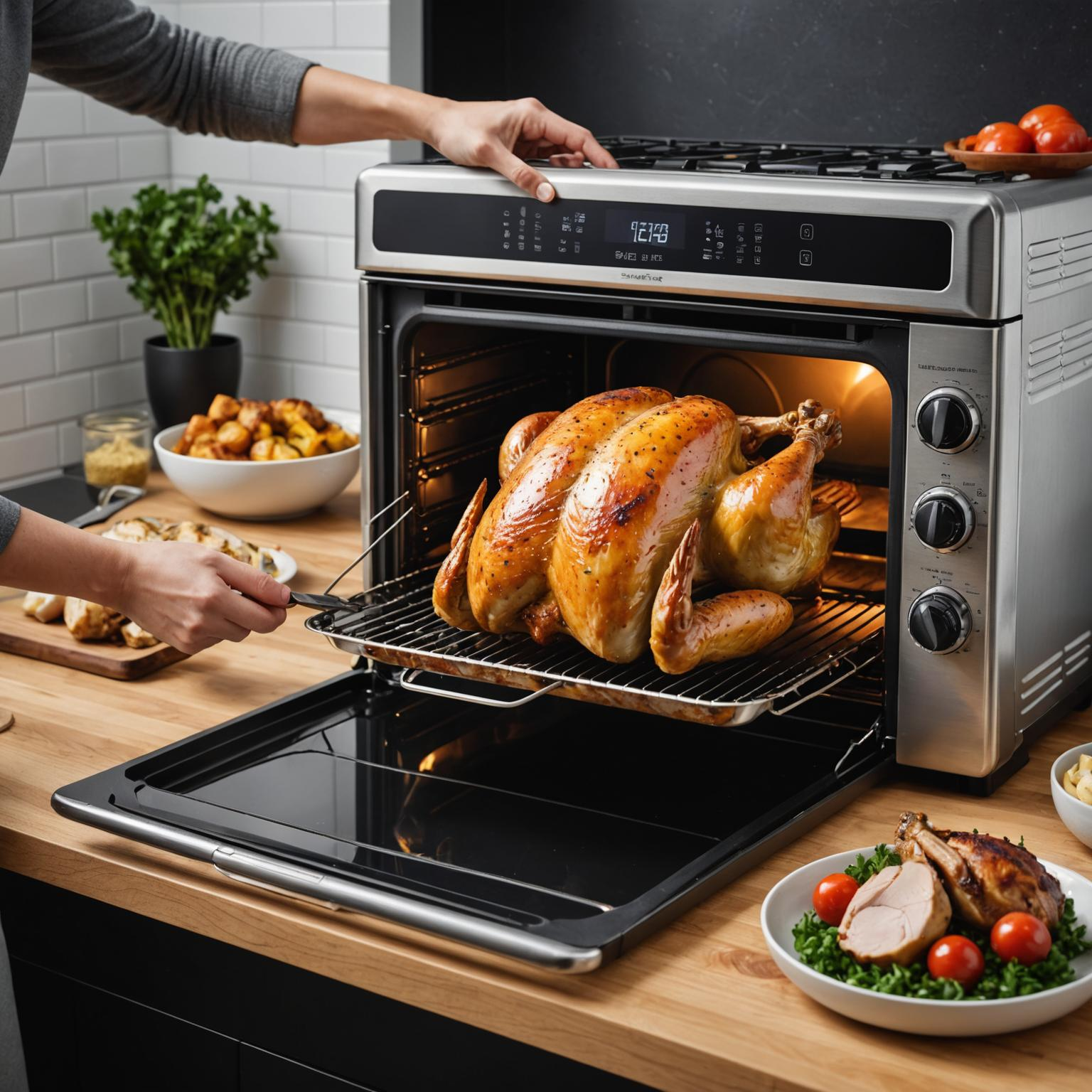
When the rush hits, your oven has to perform—consistently, every single time. If the heat can’t keep up, you’re dealing with uneven baking, wasted dough, and tickets piling up. A short wave infrared lamp turns that pressure into repeatable, predictable output.
What matters, technically
Short wave infrared delivers energy straight into the load, not just into the air. That means fast response and tighter temperature control. The lamp brings the baking chamber up quickly, and the power stabilizes fast after the door opens. You get repeatable setpoints, so your deck oven, rotary oven, or convection cell runs the same way, shift after shift. The heating pattern is even, which cuts down on hot and cold zones that cause spotty crust color. In practice, you see fewer underdone centers and fewer over-browned edges.
Why it works in a real kitchen
In a busy commercial kitchen, time and consistency are what pay the bills. Short wave infrared shortens preheat, tightens cycle time, and holds steady through the rush, so you run more trays without quality drift. Energy use drops because the heat goes where it counts—into the product—instead of getting lost in exhaust air. Crust sets quickly, moisture stays where it should, and caramelization develops cleanly. Your workflow stops being about chasing temperature swings and starts being about moving tickets through.
The things you need to know
Installation is straightforward, but clearances matter. These lamps run hot, so mount them at the right distance from pans and oven walls to keep coverage even and protect the components. They also put higher demand on the oven’s wiring and control contacts. Confirm the voltage and amperage match the socket and circuit. Plan for heat shielding around the lamp ends, and keep the reflectors clean so the intensity stays consistent. Planned maintenance—checking connections and swapping lamps on a schedule—keeps output stable and prevents surprise downtime.