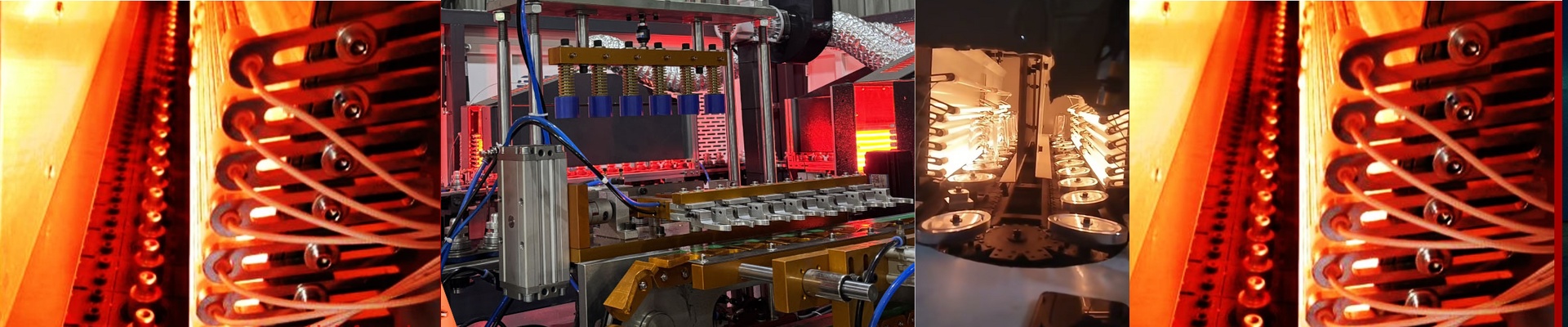
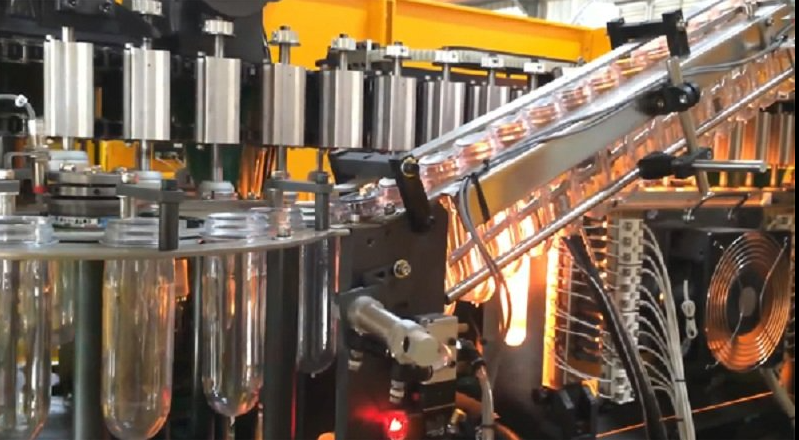
On the blow molding floor, uneven preform heating doesn’t just throttle line speed—it creates scrap. With a Sidel Matrix blow molder, the heating tunnel lives and dies on stable infrared output and repeatable lamp behavior. When the OEM lamp starts to age, you see color shift, weak necks, and wall thickness that drifts from shot to shot. That’s exactly when a purpose-built Sidel Matrix infrared lamp earns its keep.
What matters, technically
We build this lamp as a direct-fit infrared emitter, matched to the Matrix heating system. It’s a short-wave halogen design inside a quartz tube, so it responds fast and gives you tight control over the heating curve. The specs are practical: rated voltage and power aligned to the blower’s heating module, a standard R7s connector interface, and dimensions engineered to drop straight into the same lamp holder and reflector path. The goal is simple—keep the same energy density at the preform surface so the temperature profile stays repeatable, from the first bottle to the ten-thousandth.
Why it works in the real world
With stretch blow molding, timing is everything. This lamp comes back to full output quickly after each cycle, which helps stabilize the heating tunnel and cuts down on temperature swing. That means fewer rejects from overheated or underheated preforms, and more consistent bottle weight and wall distribution. Out in the field, plants running this lamp on Matrix blowers have kept output stable over 5,000+ hours in typical duty cycles, with fewer unplanned stops tied to heating. Energy use stays in line because the lamp is matched to the system—no guesswork, no re-tuning the whole tunnel.
A few shop-floor notes
Installation is straightforward, but clean handling matters. Wipe the quartz tube with isopropyl alcohol and don’t touch it with bare skin; oils bake on and create hot spots that shorten life. Double-check orientation and alignment in the reflector—misalignment shifts the heating pattern and can show up as streaks on the bottle. And if your blower runs at very high speeds or extended duty cycles, plan heat management and lamp replacement around the maintenance window so heating performance stays stable.