The Truth About Explosion-Proof Quartz Heaters
If you’ve ever tried to put a standard heater in a wet environment—think of a humid chicken coop or a steamy bathroom—you know it’s a recipe for disaster. Water gets in, things short out, and suddenly you’ve got a mess on your hands. Or worse, the glass just shatters because it couldn’t handle the temperature jump. That’s why we lean on explosion-proof quartz tubes.
Why quartz actually works
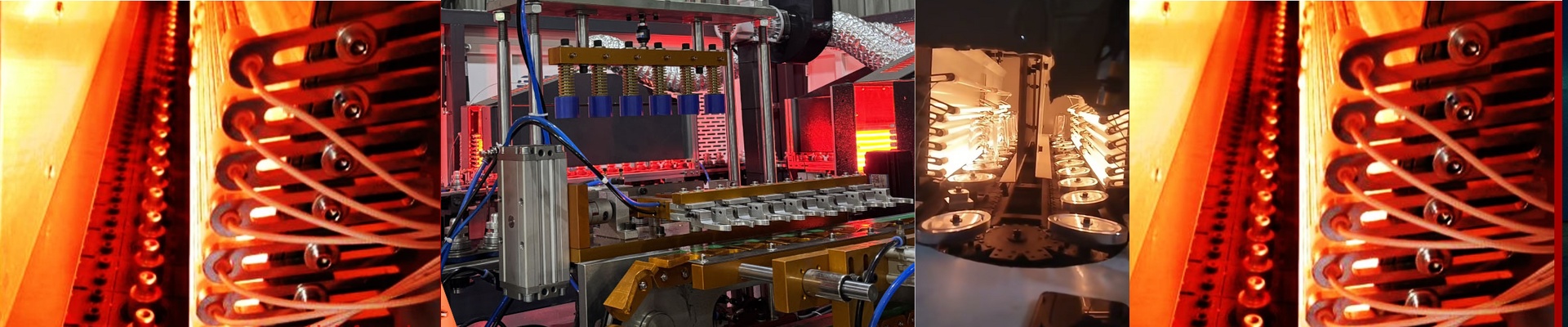
Here is the thing about regular glass: it hates sudden changes. If you’ve got a surface sitting at 500°C and a cold drop of water hits it? Crack. We use high-purity quartz because it doesn’t freak out when the temperature swings. It stays stable. And when we say “explosion-proof,” we aren’t talking about bombs. It just means the tube can handle internal pressure and won’t blow apart under extreme stress. We also seal the ends with heavy-duty gaskets. Why? Because if even a tiny bit of moisture touches that internal tungsten wire, the lamp is dead. Period.
Getting the heat where it belongs
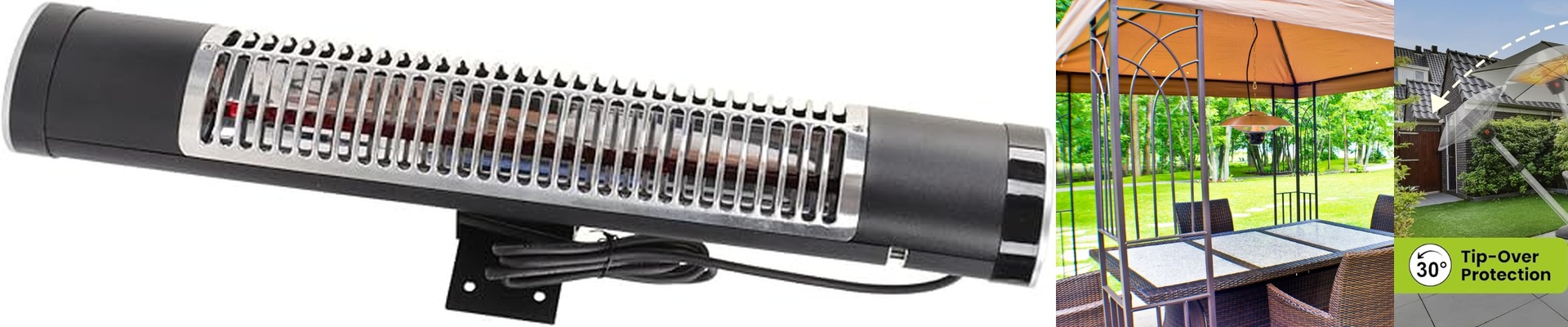
These lamps use infrared heat. Instead of trying to warm up all the air in the room—which is basically impossible if you’ve got a drafty door or an open-air setup—they beam the energy directly onto the surface. It’s much more efficient. You feel the warmth instantly. But you have to be smart about your wattage. Sure, a high-wattage lamp heats up fast. But it also creates a massive heat footprint. If you cram one of those into a tight spot without enough breathing room, you’re going to end up melting your plastic housings.
The catch
Now, these things are tough, but they aren’t invincible. Quartz is great with heat, but it’s still brittle. It can’t take a punch. If you’re putting these in a coop where animals are pecking or bumping into things, youhaveto use a steel cage. Without a guard, one unlucky hit will snap that tube in half, no matter how high the quartz grade is. Just a little bit of armor goes a long way.