

Keeping Infrared Heat Safe in Wet Zones
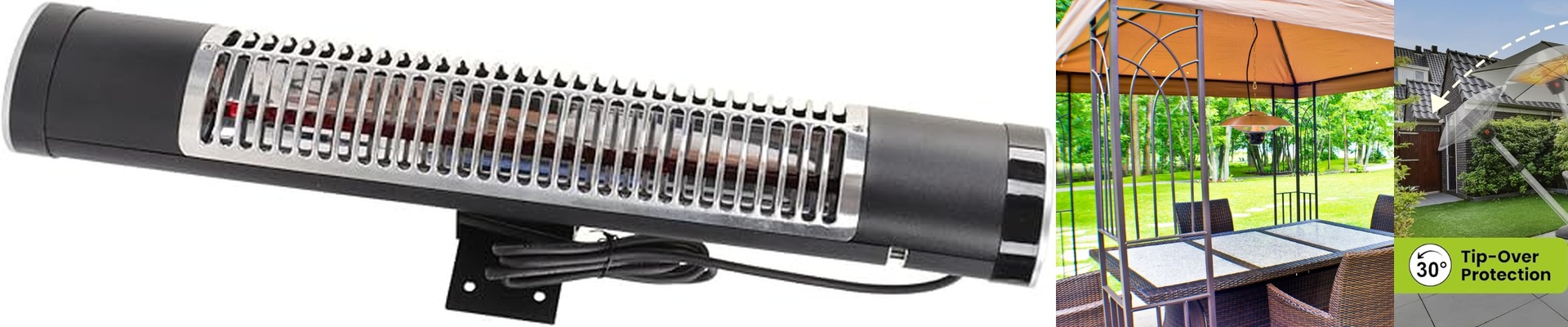
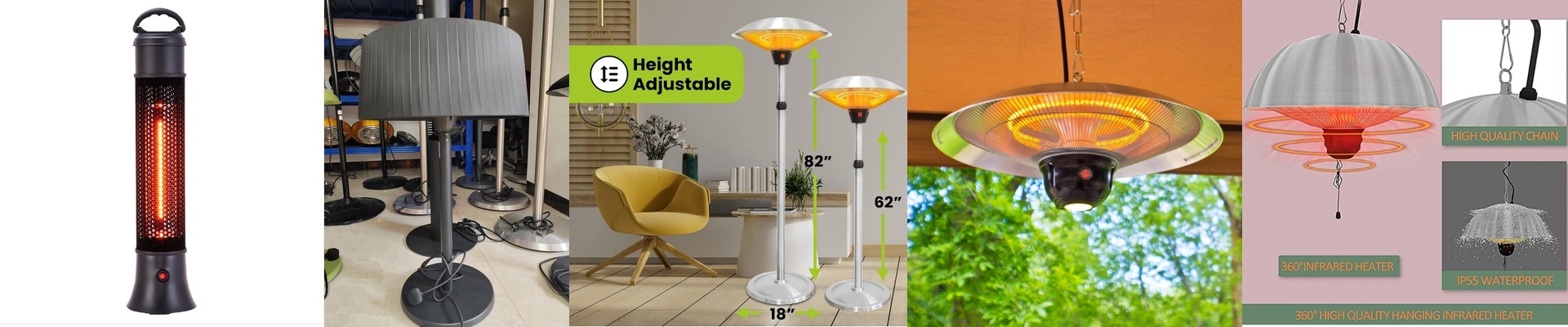
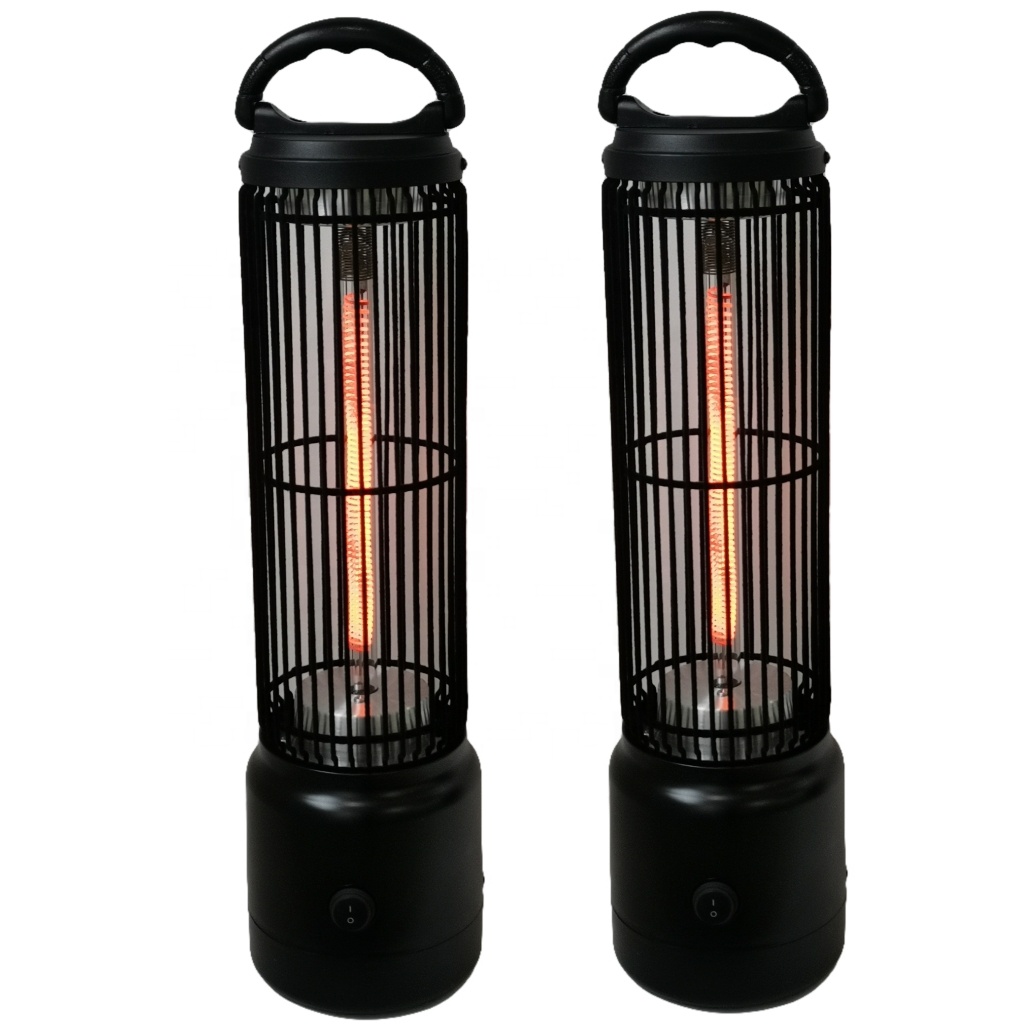
Let’s be honest: putting infrared lamps in a bathroom or under an outdoor pergola is a bit of a battle. You’re fighting moisture every step of the way. When steam or a stray splash hits a scorching hot quartz tube, you’re looking at a recipe for short circuits or ground faults. The secret to making this work isn’t magic—it’s all about how the heating element meets the power supply.
Stopping the Leak
Standard lamps just aren’t cut out for a steamy shower. To keep the current from leaking, we ditch the open-air connections. Instead, we use epoxy-potted terminals or silicone-sealed gaskets. Think of it as a physical shield. It stops water from creeping into the live contacts where it doesn’t belong. You’ll want a housing rated at least IPX4, but if you’re dealing with a bathroom, go for IP65. It handles direct splashes much better.
Dealing with Heat and Stress
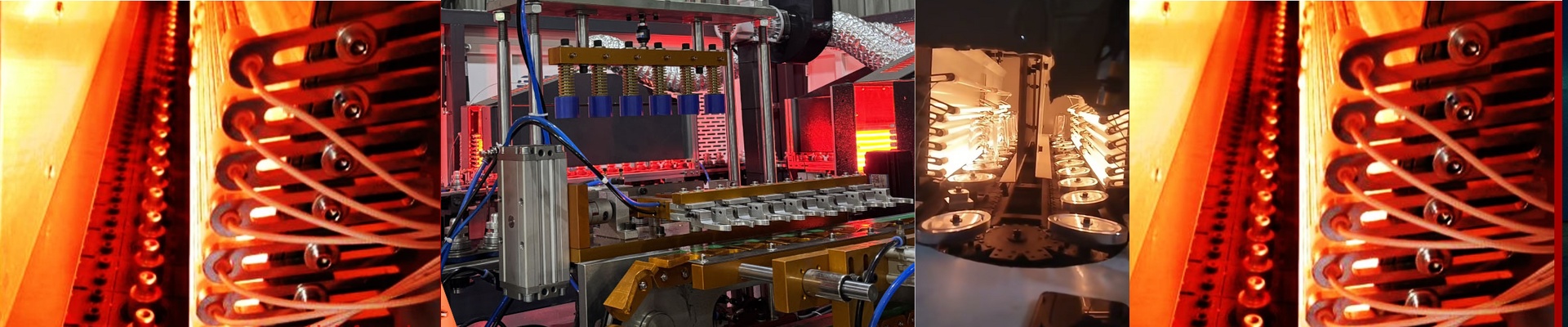
We stick with high-purity quartz glass. Why? Because it can take the shock of a cold, damp environment without just cracking. We also make sure the filament is centered perfectly. If it’s off, you get “hot spots” that eat away at your insulation over time. Sometimes we use gold-coated tubes or special halogen fills. This keeps the heat pumping out while keeping the actual glass temperature from getting totally out of control.
The Trade-offs You Need to Know
You can’t just wire these up and forget about them. Here’s the tricky part: high wattage means heat builds up at the connection points. If you seal everything tight to keep the water out, you’re accidentally trapping that heat inside. This is where a lot of people mess up. If you use standard PVC wire, the insulation will literally melt and burn out in a few weeks. You have to use high-temperature silicone cables. Period. And please, don’t cut corners on grounding. Every single chassis needs to be bonded to a dedicated earth ground. If a seal happens to fail, you want that GFCI to trip instantly. It’s the only way to make sure nobody gets a shock.