

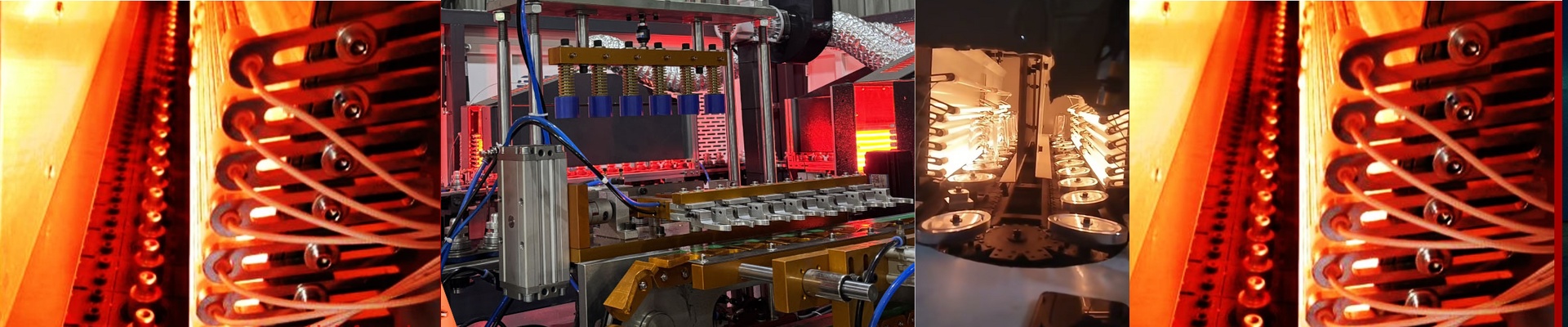



Why Your Radiant Heaters Keep Dying (And How to Fix It)
Here is a little secret about factory ceiling heaters: it’s rarely the heating element that actually burns out. Usually, the real culprit is the connection where the lead wire meets the quartz tube. When you’re running these things at full blast, that seal point takes a massive beating. If the sealing job was rushed or sloppy, the insulation just gives up. It turns to carbon, starts leaking, and then—pop—you’ve got a dead short.
The Deal With the Seal
A lot of assembly lines just slap on some basic adhesive or cheap silicone and call it a day. In a 24/7 industrial setting, that’s a recipe for disaster. We do things differently. We use OEM-grade sealing to create a tight, airtight bond. Why? Because if even a tiny bit of oxygen or moisture sneaks into that halogen gas chamber, the filament oxidizes and snaps. It’s that simple. Plus, you have to deal with physics. Quartz and copper don’t grow at the same rate when they get hot. They expand and contract differently. Without a proper buffer to soak up that movement, the seal cracks. Once that happens, the wire jacket is exposed to the raw heat of the heater body, and it starts aging way faster than it should.
Staying Safe (And Avoiding Shorts)
When seals fail, you get “creepage.” That’s just a fancy way of saying the insulation gets brittle and the electricity decides to jump between the leads. To stop that, we use high-temp fluoropolymer coatings and precision-molded seals. They keep their strength even when the unit is glowing red. One quick tip: check your mounting brackets. If the heater is sitting crooked in the housing, it pulls on the lead wires. Combine that constant tension with extreme heat, and even a decent seal will eventually rip wide open.
Is It Worth the Extra Cost?
Look, high-spec sealing costs more upfront. You’re paying for a better process. But think about the alternative. Do you really want to keep replacing these heaters every six months? It’s a pain. Your maintenance crew is tired of climbing ladders, and every failure is just another gap in your production line. Paying a bit more now means you can actually forget these things exist and just let them do their job.