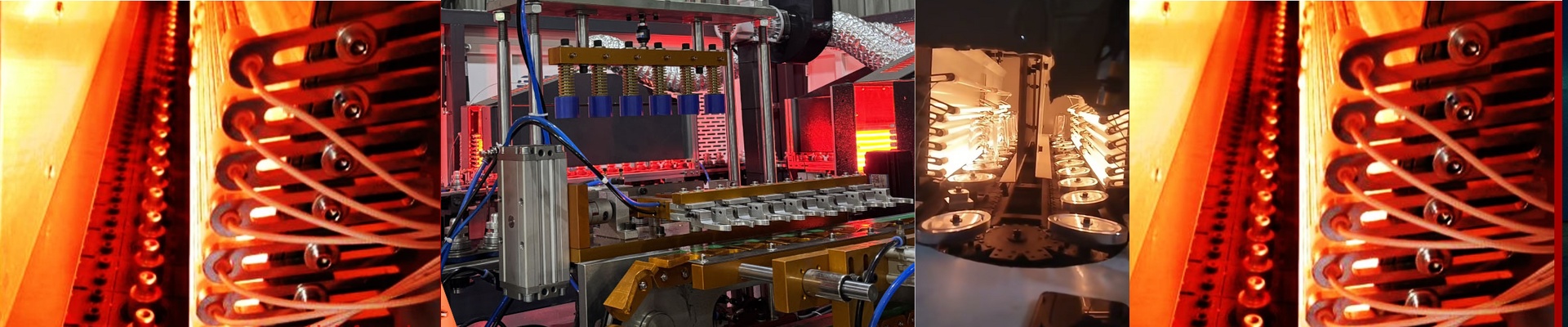
Stop Guessing with Your SIPA Oven Heat
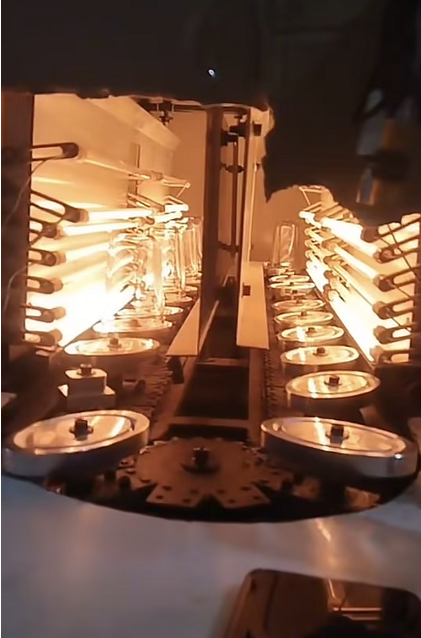
Ever pull a batch of PET bottles and see those annoying streaks or “pearlescent” cloudy spots? It’s frustrating. You check the oven, everything looks fine, but the wall thickness is all over the place. Here is the secret: it’s usually not the oven itself. It’s the lamps. A lot of people try to save a few bucks by mixing brands or using lamps that are “close enough” in wattage. But in a rotary machine, “close enough” is how you end up with hot and cold spots across your preform. We fix this by providing infrared lamps that match your power specs exactly. No guesswork, just a perfect drop-in replacement. The problem with “almost” matching Think about it this way. If you swap a 1500W lamp for a 1450W tube, they look identical to the eye. But the infrared energy hitting the plastic is different. Even a 5% difference messes with the PID controller. The system starts fighting itself, trying to compensate for the gap, and you get those temperature swings that ruin your bottles. We stick to the original SIPA electrical footprint so the heat stays dead-constant across every single lamp. It’s all in the glass and the plugs We use high-purity quartz because these things go through a lot of thermal shock. They heat up and cool down fast, and cheap glass just can’t keep up. Then there are the connectors—usually R7s or Sk15. It’s not just about making sure they fit in the socket. It’s about the connection. If you have a loose or oxidized contact, you get a voltage drop. That’s a one-way ticket to a burnt-out lamp. A quick word of caution High-wattage shortwave lamps pack a punch. They get the PET wall hot fast, which is great for speed. But that heat has to go somewhere. If you’re pushing the power to shave seconds off your cycle time, make sure your oven ventilation is spotless. If dust or debris blocks the airflow, the quartz envelope overheats. And once that happens, the lamp fails. Keep your specs exact. It saves you the headache and keeps your bottle walls perfectly consistent.