Stop Buying New Machines Just to Fix a Slow Oven
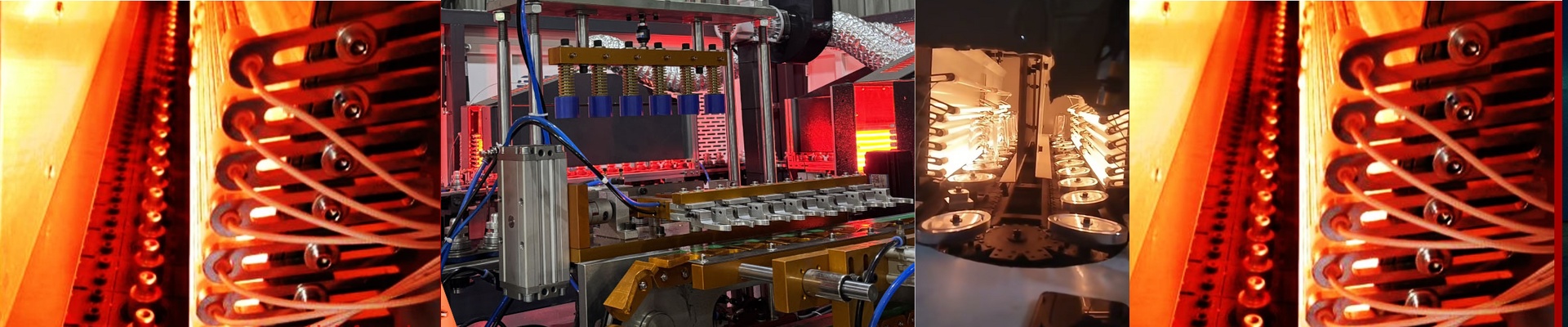
If you’re running a mid-sized PET line, you know the frustration of an aging blow molder that just won’t hit its numbers. It feels like the machine is fighting you, and the cycle times are dragging. But before you drop a fortune on a brand-new machine, look at your oven. More often than not, that’s where your bottleneck is hiding. The secret isn’t usually the machine itself—it’s the lamps. Swapping out those old, tired bulbs for high-density infrared (IR) elements can shave time off your preheating and actually get your output where it needs to be.
The “Heat Hit”
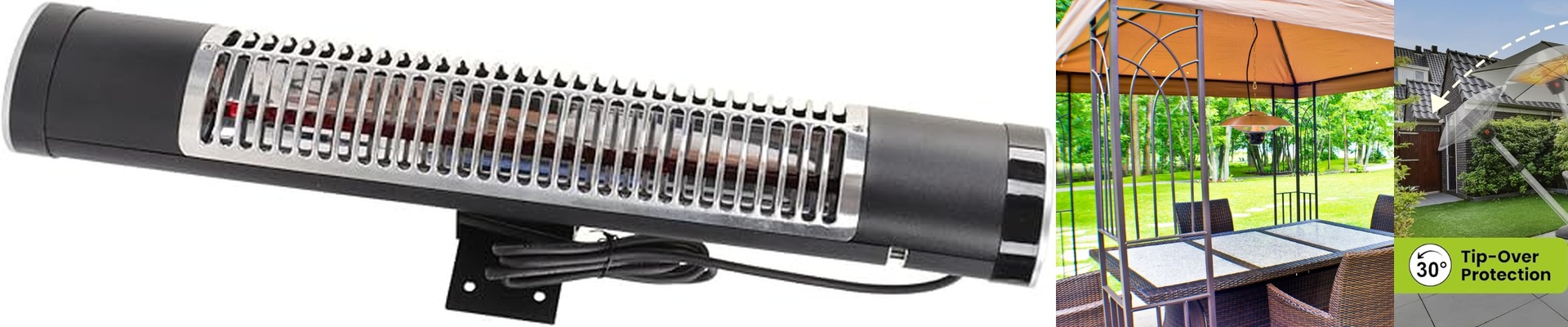
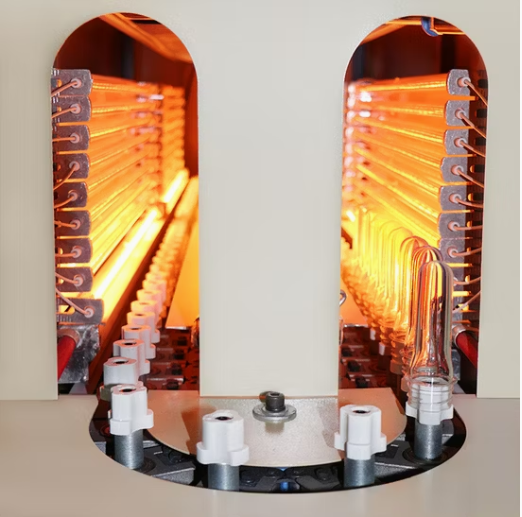
Here is how it actually works. We design our lamps to push out shortwave IR radiation. When you move from a basic quartz tube to a high-wattage halogen lamp, you’re essentially packing more heat into every single millimeter. It’s a concentrated hit. Take a 2500W tube over a 300mm length, for example. It penetrates the plastic wall of the preform much faster, getting it to that “sweet spot” temperature without the long wait.
No Need to Rebuild Your Oven
You don’t want a project that requires a complete teardown. We get that. That’s why we use heavy-wall quartz glass. It stays straight and doesn’t bow when things get hot. Plus, we use standard R7s or Sk15 connectors. They just slide right in. You can wire them into your existing sockets without having to mess with the oven chassis or weld new brackets. And if you’re worried about scorching the outside of the bottle before the inside is ready? We have coated options that shift the heat spectrum to keep things even.
A Few Things to Keep in Mind
Now, there is a catch. More power means more thirst for electricity. If you’re swapping ten 1500W lamps for 2500W versions, you’ve got to make sure your cabling and power supply can actually handle the extra amperage. You don’t want to trip a breaker in the middle of a run. Also, your oven is going to get hotter. Much hotter. Check your cooling fans. Clean them out or upgrade them. If the air isn’t moving, your control boards might start to bake, and you’ll end up with a pile of overheated, deformed bottles. Keep the air moving, and you’re good to go.