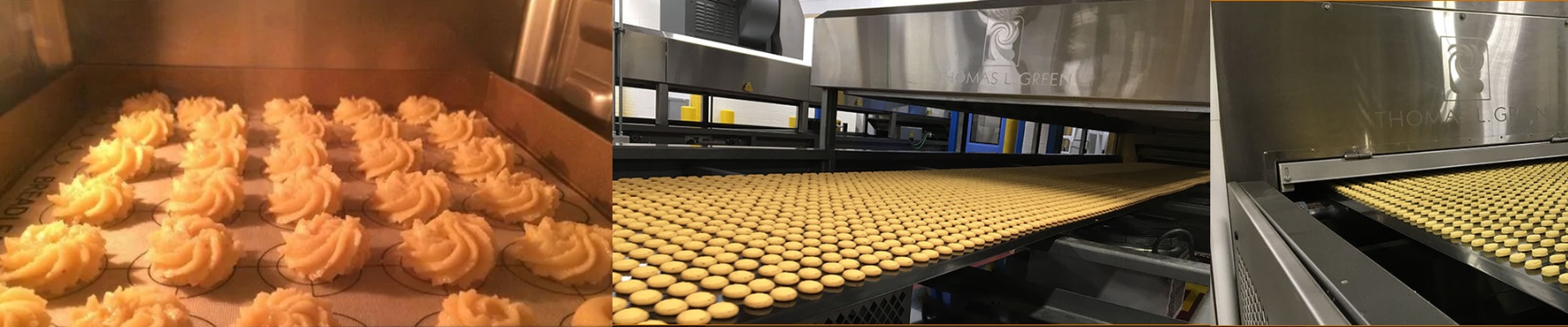
Stop Fighting With Your Oven’s Cold Edges
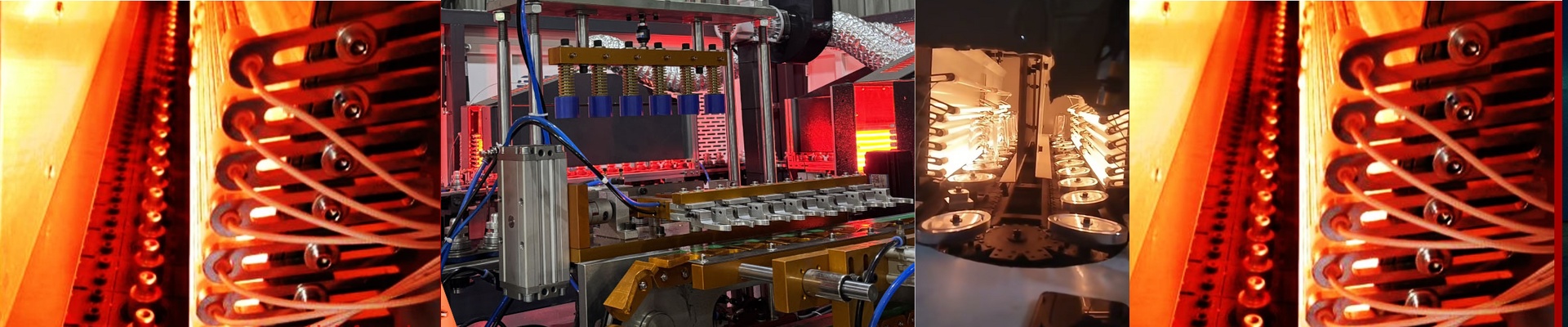
If you run a large-scale bakery, you know the frustration of the “edge loaf.” You pull out a tray and the middle looks perfect, but the edges are pale, underbaked, or just… off. It’s a headache. The problem is usually that the heat at the perimeter just can’t keep up with the center. We fix this by swapping out those standard heating elements for high-wattage, short-wave infrared (IR) lamps. How it actually works Most ovens rely on air moving around. The trouble is, air is lazy. It tends to skip the corners. Our IR lamps don’t bother with the air. They use direct radiation—basically sending heat straight into the dough the second it hits the oven. We’ve tweaked these lamps to pack more wattage into every centimeter. It creates a concentrated heat zone right where you need it most, so the edges finally catch up to the core. Built for the grind Bakery environments are brutal. Constant heating and cooling can make cheap glass snap. That’s why we use heavy-wall quartz. It can take the thermal shock of a 24/7 production cycle without breaking a sweat. We’ve spent a lot of time dialing in the filament length and voltage. The goal was simple: make them hit that sweet spot of heat density that you usually only find in the most expensive OEM brands. And the best part? You don’t need to rip out your wiring or rebuild your control panel. These are designed to drop right into the footprints you already have. A couple of things to keep in mind Now, there is a trade-off. Because these lamps pump out more power, they put a bit more stress on your electrical contacts. If you’re moving from low-wattage tubes to these high-output versions, just double-check your wiring gauges and contactors. Also, make sure your ventilation is clear. You don’t want the quartz envelopes overheating while the oven is idling. It’s a small bit of prep for a big result. You get a consistent, golden bake across the entire tray—right down to the very last loaf on the edge.