Keeping People Warm in Wet, Cold Spaces
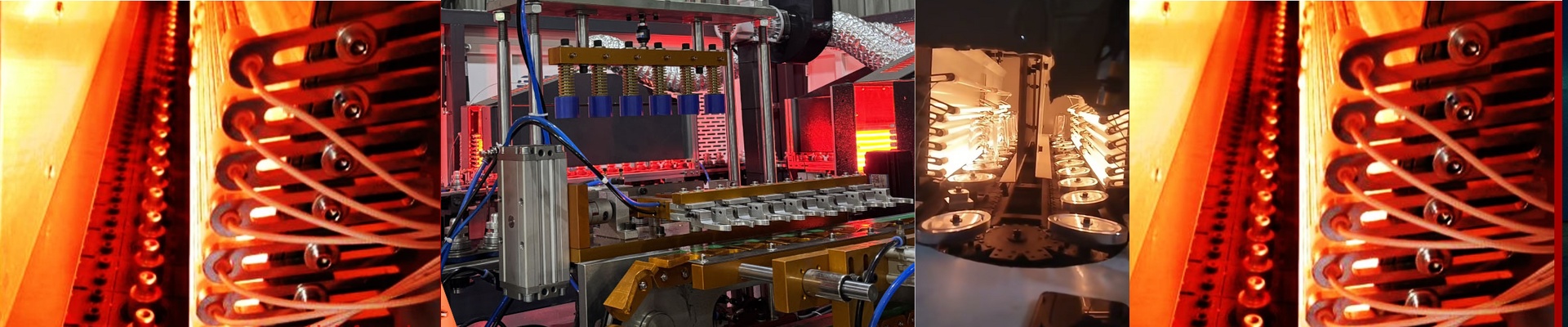
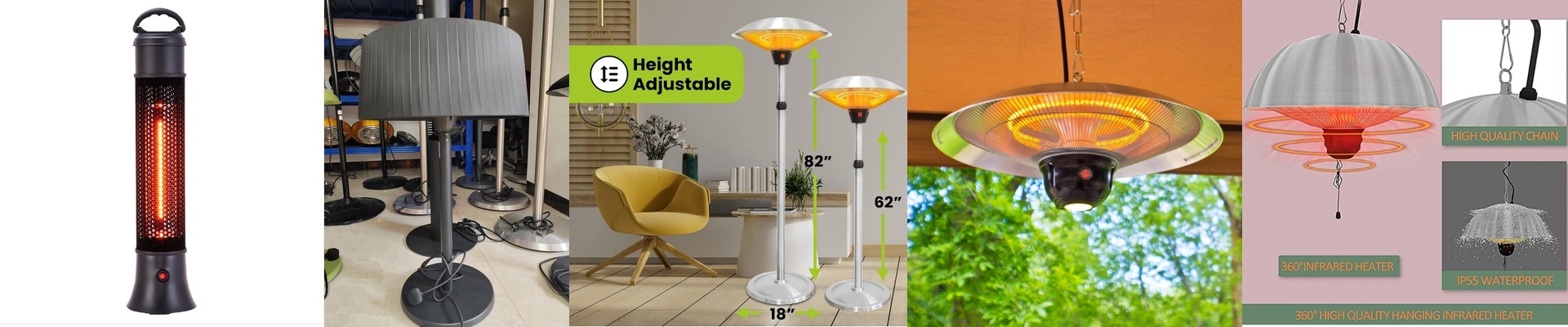
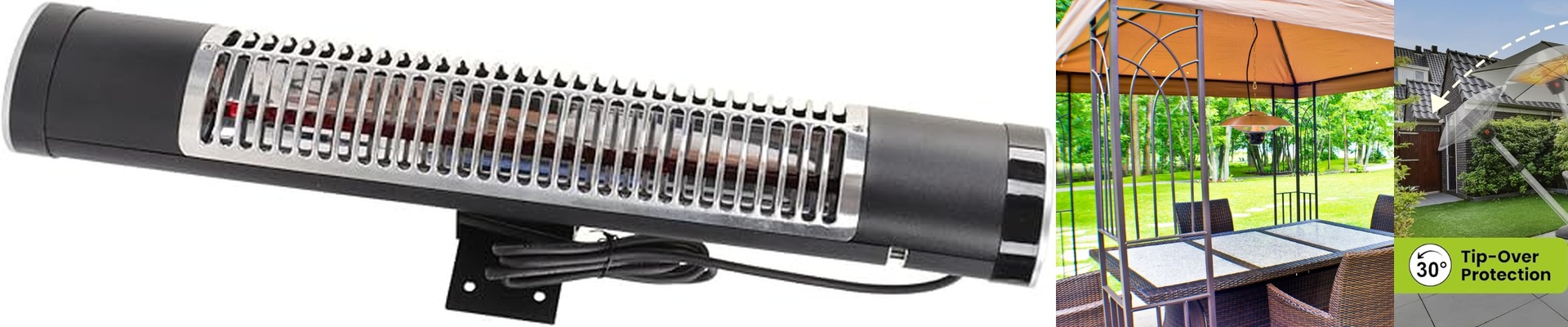
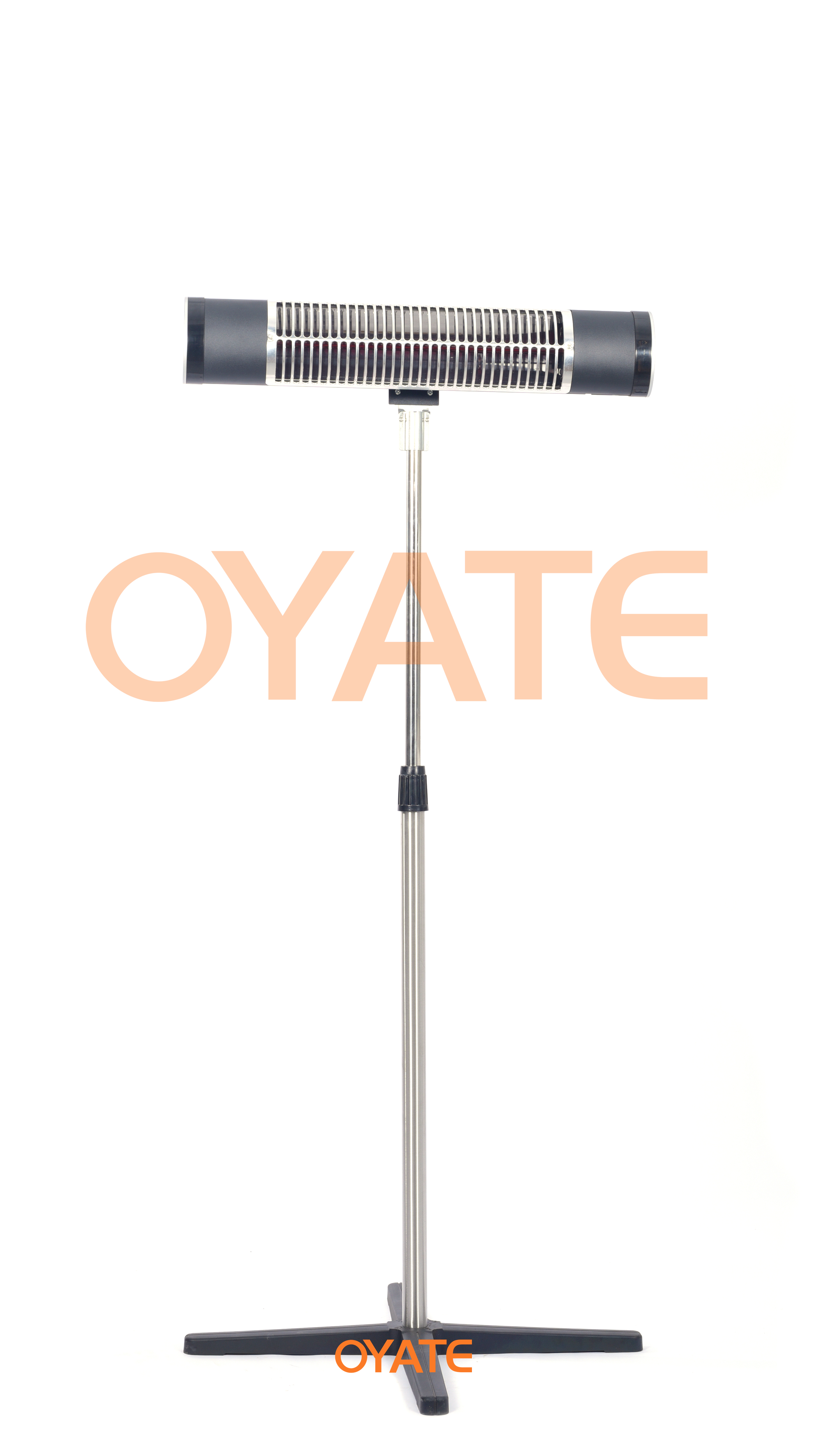
If you’ve ever stepped into a freezing outdoor changing area, you know the struggle. You don’t have ten minutes to wait for a room to warm up. You need to feel heat now. That’s why we don’t mess around with convection. Heating the air is a waste of time—it’s slow, and the wind just carries it away. Instead, we use shortwave infrared. Think of it like the sun. It doesn’t heat the air between you and the sun; it just hits your skin and warms you up instantly. Why shortwave? These emitters run hotter than the medium or longwave versions. Because of that, the units can be smaller, but they pack a serious punch. The second you walk in, you feel that “five-star” kind of warmth. It penetrates the skin quickly, so even if the air around you is still crisp, you feel toasted. It’s the difference between waiting for a room to thaw and feeling an immediate embrace of heat. Built for the mess Let’s be real: locker rooms and garden zones are brutal. Between the steam, the splashes, and the dust, a normal heater would probably give up the ghost in a few weeks. We build these with an IP65 rating. In plain English? They’re dust-tight and can handle water jets without breaking a sweat. We seal every electrical connection tight so condensation doesn’t cause a short circuit. It’s built to survive the damp. A few things to keep in mind Now, because this heat is so intense, you have to be smart about where you put the units. If you mount them too low, you’re going to bake your guests. You’ve got to balance the wattage with the mounting height to make sure it’s comfortable, not overwhelming. Also, a pro tip: use high-temperature cabling. You don’t want your insulation melting near the emitter. If you’re still using those old-school electric radiators, these are a total breath of fresh air. You go from waiting minutes for a glow to feeling the heat in milliseconds.