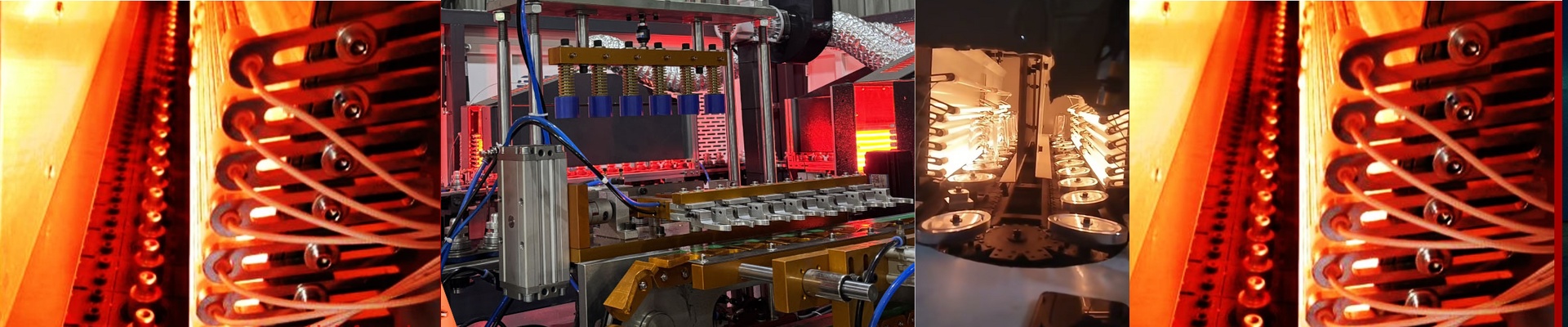
Getting the Heat Right in High-Speed PET Blowing
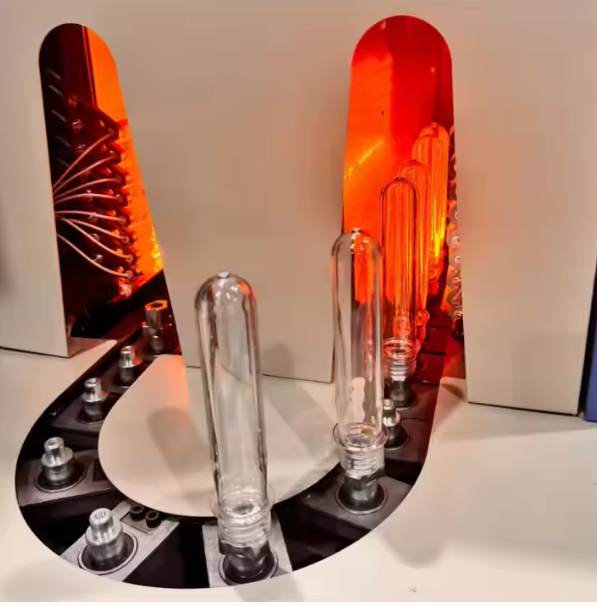
If you’re running high-speed systems like the Husky HyPET, you already know the headache: heat penetration. When the preform doesn’t heat up evenly through the wall, you end up with those annoying thin spots or that cloudy, pearlescent look in your bottles. It’s frustrating. That’s why we built our replacement lamps for KOSME blowers. We focused on hitting the exact infrared (IR) spectrum needed to soak deep into thick PET walls without scorching the surface. Pushing the power High-speed lines are all about shaving seconds off the cycle. To make that happen, we pushed the wattage and voltage higher than what you’ll find in a standard utility lamp. By packing more power into every millimeter, we get the preform to its glass transition temperature way faster. It’s a drop-in replacement—fits right in your existing footprint—but it hits much harder. The tech behind it We used high-purity quartz glass because, frankly, standard glass just warps under this kind of thermal stress. We also added an internal halogen cycle. This keeps the tungsten filament from evaporating too quickly, which means your tubes won’t turn black and die on you. But the real secret is the short-wave IR. Instead of just baking the outer skin of the plastic, these waves dive deep into the material. A few things to watch out for Swapping these in is easy. They use standard industrial connectors, so you can get them in during a quick maintenance window without having to rewire your entire oven. But here’s the thing: more heat means more stress on your ventilation. If you switch to these high-output tubes, do your cooling fans a favor and check them. If your airflow is clogged, the oven temperature will spike. That’s a recipe for burnt-out lamps or deformed preforms. And one last tip? Keep your reflectors clean. If they’re dusty, you lose that focal point, and you’re just wasting energy.