Keeping Bathrooms Warm Without Blinding Everyone
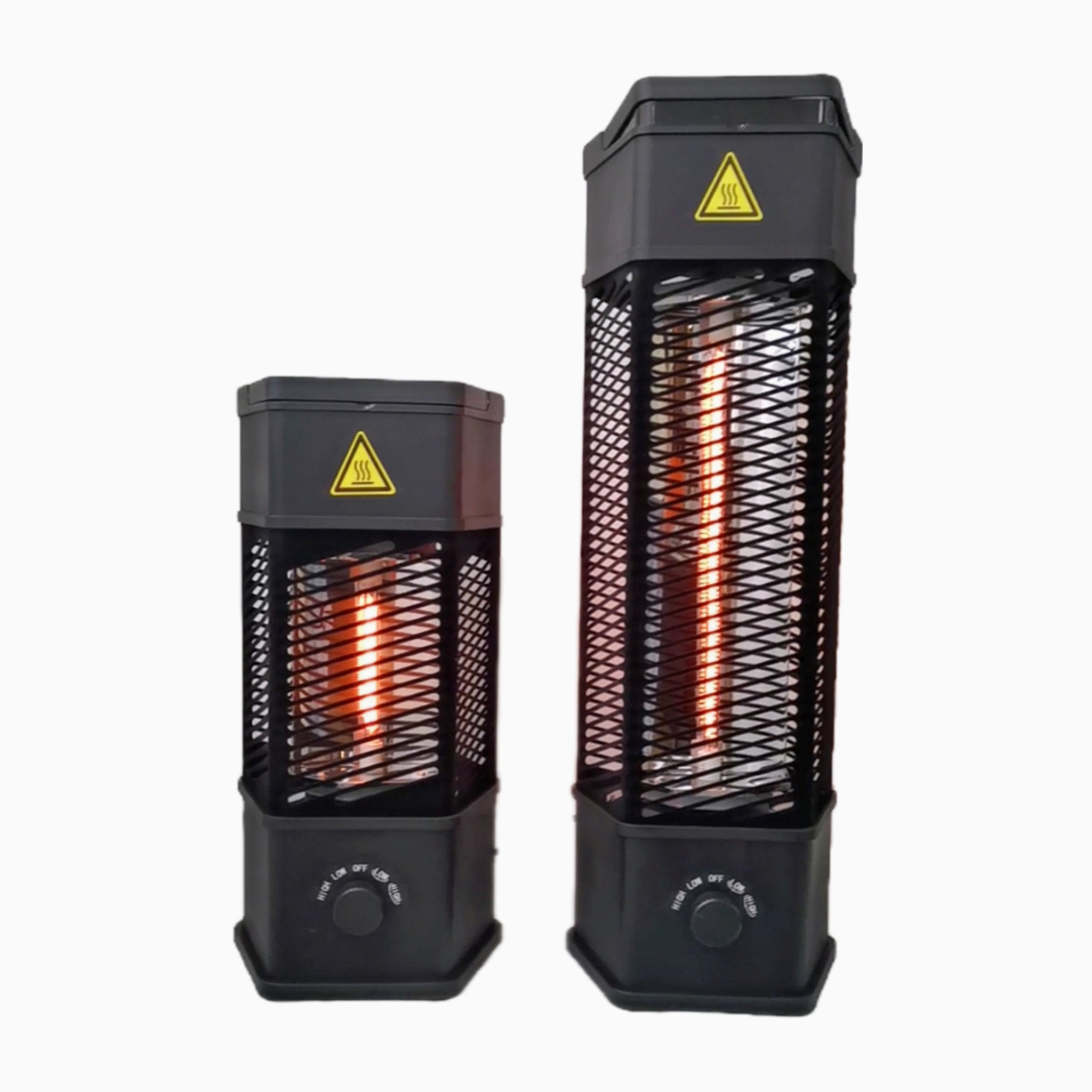
When we build IP66-rated heaters for bathrooms and outdoor spots, the water part is the easy bit. We make sure they can take a direct spray of water or a steam-filled room without blowing a fuse. But there’s a bigger problem: the light. If you’ve ever used a standard shortwave infrared lamp, you know they’re blinding. It’s a harsh, white-hot glare that’s uncomfortable for adults and potentially risky for babies with sensitive eyes. Nobody wants to feel like they’re standing under a stadium floodlight while trying to dry off. Taming the glare To fix this, we don’t just use a raw filament. We use a special coating on the quartz envelope or a spectral filter. Think of it like a pair of sunglasses for the heater. It blocks out that aggressive visible light but lets the actual heat slide right through. You still get that instant, cozy warmth on your skin, but the light stays soft. Sure, filtering the light means you lose a tiny bit of raw intensity, but it’s a fair trade to avoid that “industrial warehouse” feeling in your home. The gritty details Since these go in “wet zones,” the build has to be tough. An IP66 rating basically means dust can’t get in and powerful water jets won’t break it. We use heavy-duty gaskets to seal the wires and tempered glass to protect the quartz tubes. We stick with quartz because it’s a beast with temperature swings. It can go from a freezing cold bathroom to scorching hot in seconds without cracking. One quick heads-up for the electricians: these things heat up fast. Really fast. Make sure your wiring and breakers can handle that initial surge of power when they kick on, or you’ll be heading to the breaker box more often than you’d like. A few tips for installation These are designed to swap right into where your old heat lamps were. Just double-check that your mounting bracket can handle the extra weight of the waterproof housing. And here is the most important part:give it some breathing room. If you’re tucking these into a tight ceiling, leave a gap. Even though the unit is sealed against water, the outer casing still gets hot. If there’s no airflow, you’re basically using your heater to bake your ceiling tiles.