The Real Deal on Mirror Heater Seals
Let’s be honest: bathroom mirrors are a nightmare for electronics. You’ve got thick steam and high heat fighting it out in a tiny space. Most of the time, the heating element itself is just fine. The real trouble starts where the lead wire hits the quartz tube. If that seal isn’t perfect, moisture sneaks in. Then you get oxidation, the insulation gives up, and—boom—you’ve got a short circuit.
Why “Good Enough” Isn’t Good Enough
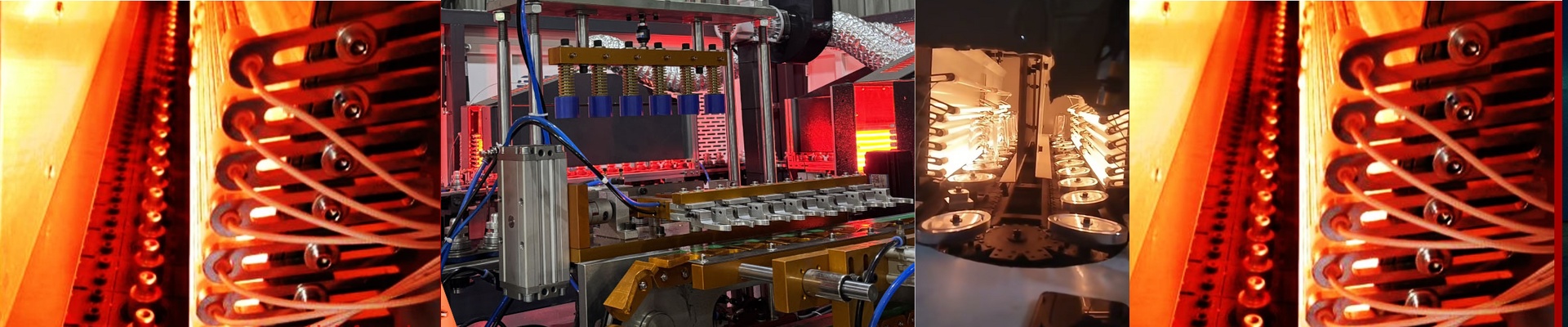
I’ve seen cheap heaters that use basic glue. It looks fine for a week, but after a few hundred heat cycles, that glue bakes, cracks, and fails. We do things differently. We use a glass-to-metal seal that creates a total barrier. Here’s the trick: the seal has to expand and contract at the exact same rate as the quartz tube. If they don’t move together, the seal just pops. Once that happens, you’re basically inviting steam to ruin your wiring. We spend a lot of time on the “transition zone.” That’s the danger zone where wires usually burn out. By combining high-temp silicone or epoxy with a mechanical crimp, we make sure the wire stays put, even when things get hot.
The Slow Burn of Aging
Heat is a slow killer. Over time, cheap insulation gets brittle. It starts flaking off like old paint. Suddenly, you have live wires touching your mirror frame or the mounting brackets. Not exactly the kind of surprise you want in a bathroom. To stop that, we use PTFE or fiberglass braiding. It can handle the “heat soak” without breaking down. It’s not just about whether it works on day one; it’s about whether it still works on the 5,000th time you turn the shower on.
A Quick Tip for Installers
There is a trade-off here. Because our seal is so robust, the lead wire is a bit more rigid. Please, don’t bend these wires at sharp angles. If you force a tight bend right where the wire meets the seal, you might actually crack the glass. Just give the wire a few centimeters of slack. It takes two seconds, and it keeps the whole system from failing.