

Why IP65 Infrared Heaters are the Only Way to Handle Wet Rooms
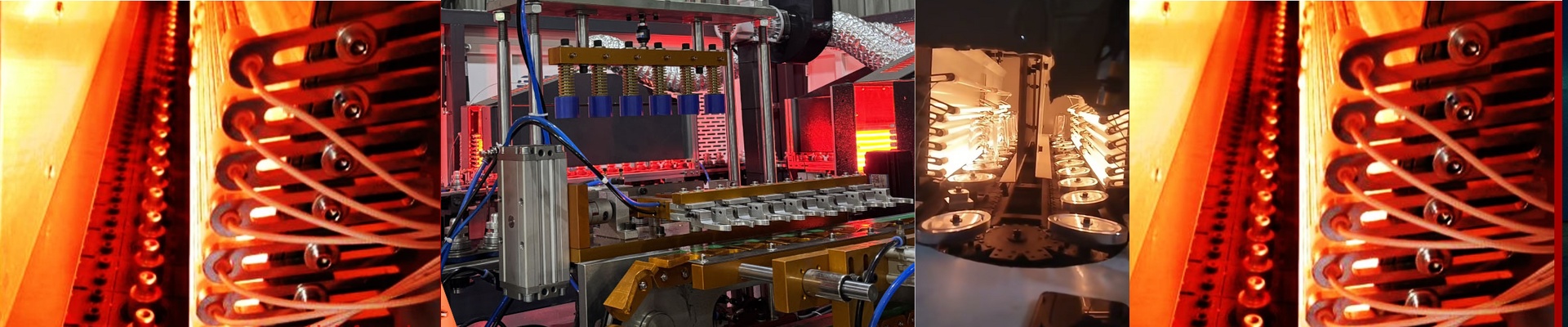
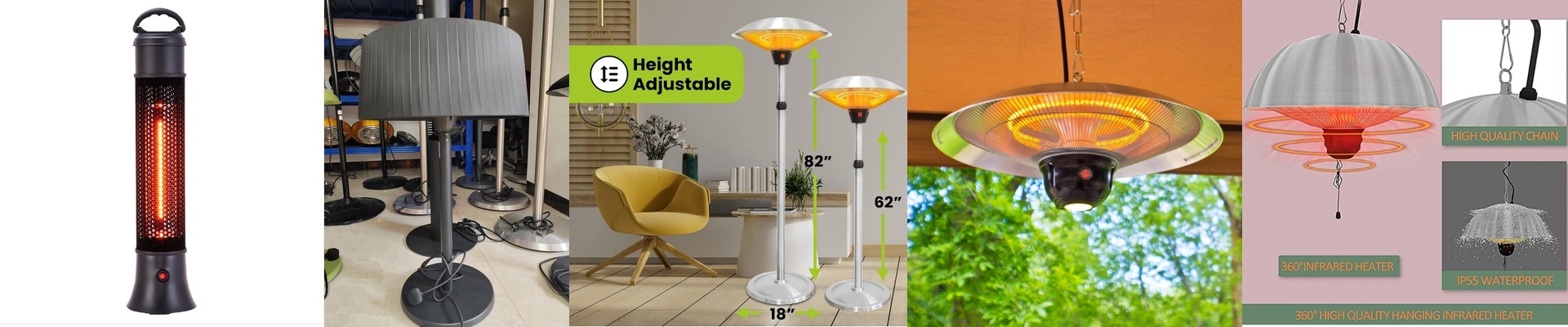
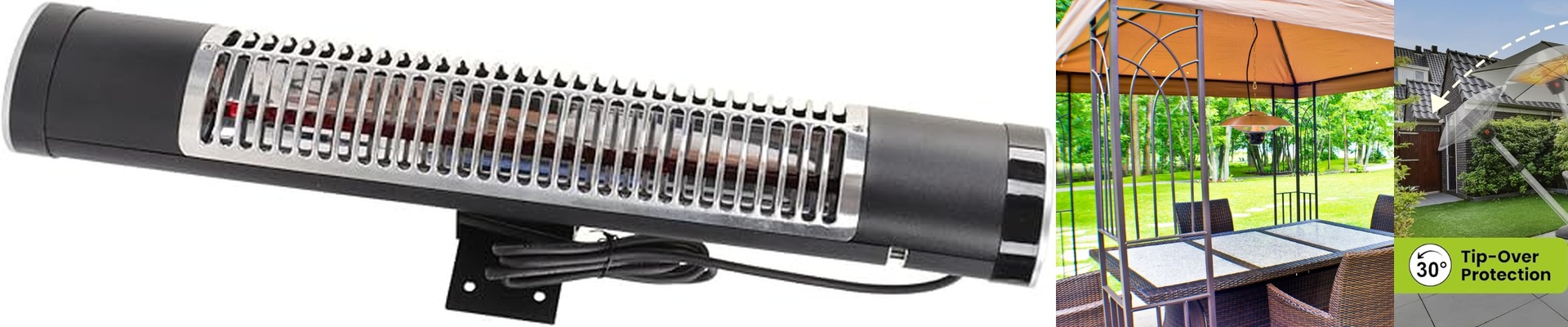
Let’s be honest: heating a locker room or a changing area is a nightmare. You’ve got high humidity, steam everywhere, and people splashing water around. If you put a standard electric heater in there, it’s basically a ticking time bomb. That’s why we lean on IP65-rated infrared tech. It just makes sense for the environment. The trick with radiant heat Most heaters try to warm up the air. But in a drafty changing room? That warm air just vanishes the second a door opens. Infrared is different. Instead of fighting the breeze, it sends out waves that heat people and objects directly. It’s that feeling of stepping into sunlight on a cold day. You feel the warmth on your skin almost instantly, regardless of how much air is moving around the room. What “IP65” actually means for you If you see “IP65” on a spec sheet, here is the real-world version: the “6” means dust can’t get in, and the “5” means it can take a direct hit from a water jet without breaking a sweat. We use heavy-duty gaskets and sealed enclosures to keep the wiring bone-dry. This means you can install them in wet zones without losing sleep over steam causing a short circuit or burning out the internals. It’s just safer. A few things to watch out for To get that “instant” heat, we use short-wave elements. They pack a serious punch, but they run hot. This is where the installation part gets picky. If you mount them too low, your customers are going to feel scorched. Too high, and the heat loses its kick. We usually do a bit of math based on the wattage to find that sweet spot where it feels cozy, not oppressive. One last tip: make sure your electrical panel can handle the initial surge when these things kick on. They pull a lot of power right at the start, so you want your wiring to be ready for it.