Stop the Bathroom Mold Struggle with a Little Bit of Science
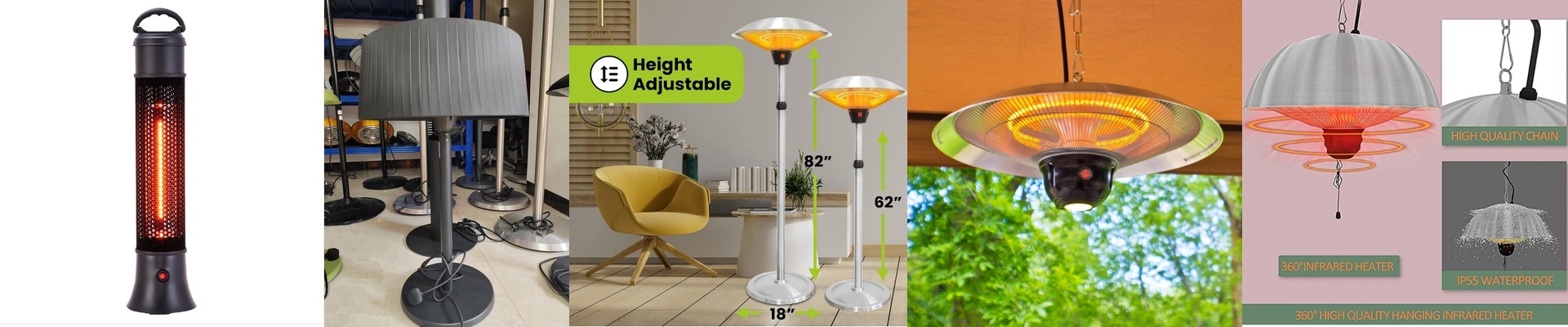
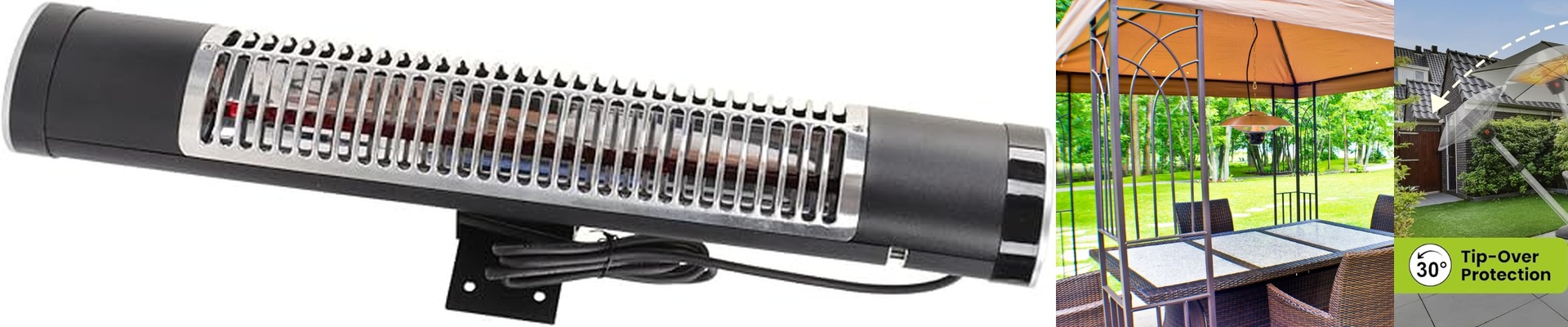
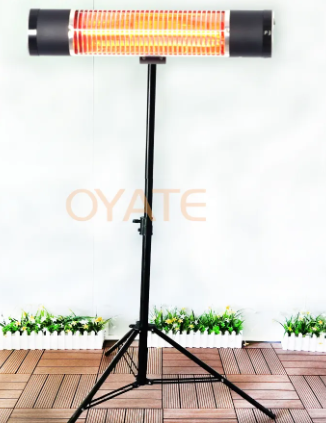
Most people think bathroom heat lamps are just for keeping your toes warm on a cold January morning. But we see them differently. For us, they’re actually secret weapons against moisture. If you’ve got high ceilings, these infrared heaters do something pretty cool. They target water molecules and surface dampness directly, which keeps mold from moving into those annoying, dark corners of your shower.
How the heat actually works
Here’s the thing: these lamps use shortwave infrared. Unlike a standard heater that just warms up the air, this stuff penetrates right into your wet tiles and walls. It makes the water molecules vibrate fast—really fast—which forces the moisture to evaporate. Since mold loves a stagnant, damp surface to call home, keeping your walls bone-dry basically makes your bathroom an impossible place for it to survive.
The gritty details (and the catch)
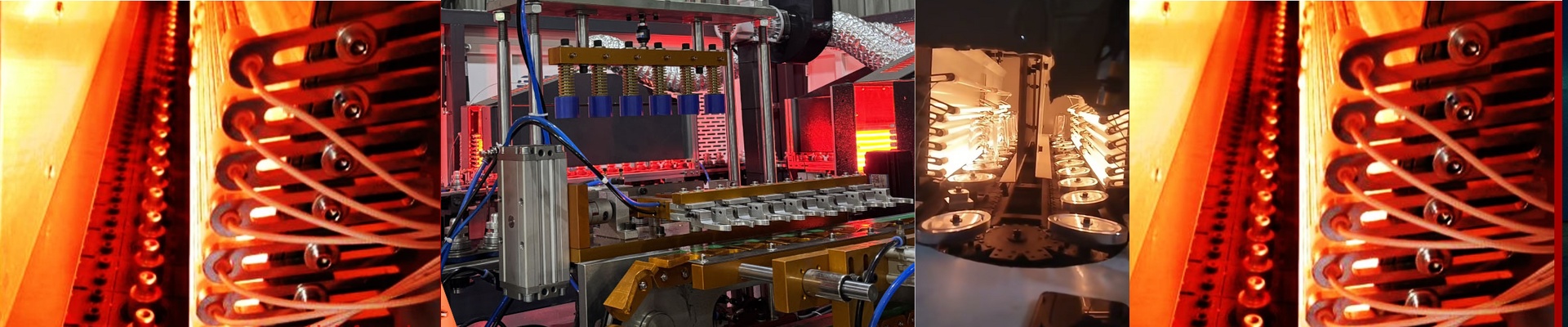
We use high-wattage quartz tubes in these units. Why? Because you need enough heat density to punch through thick steam. The best part is the speed. You flip the switch, and the heat hits the surface instantly. No waiting around. But there is a catch. These high-intensity lamps gethot. I mean, really hot—especially at the socket. If you try to cheap out on the housing and don’t use heat-resistant ceramics, you’re looking at melted wiring or fried connectors. You need a setup that can take a beating from both the heat and the humidity.
Better air, less smell
When you put these in your ceiling, you’re basically creating a “dry zone.” Think of the lamp as a helper for your dehumidifier. It doesn’t replace your exhaust fan, but it cleans up the surface moisture that the fan usually misses. It’s the best way to kill that lingering “damp basement” smell that haunts poorly ventilated bathrooms. Pro tip: pair these with a timed controller. That way, your walls stay dry for a while after you’ve hopped out of the shower and left the room.