Getting the Heat Right: The Truth About Quartz Heating Tubes
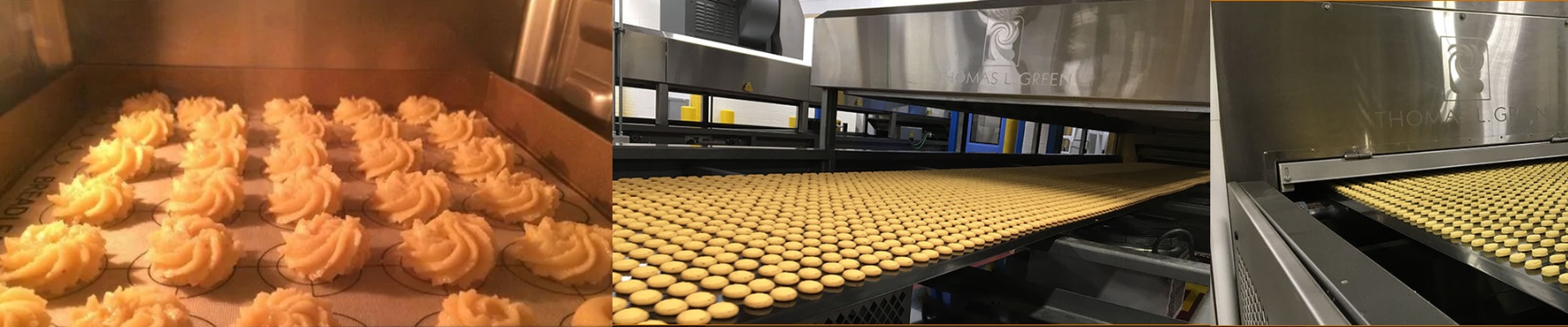
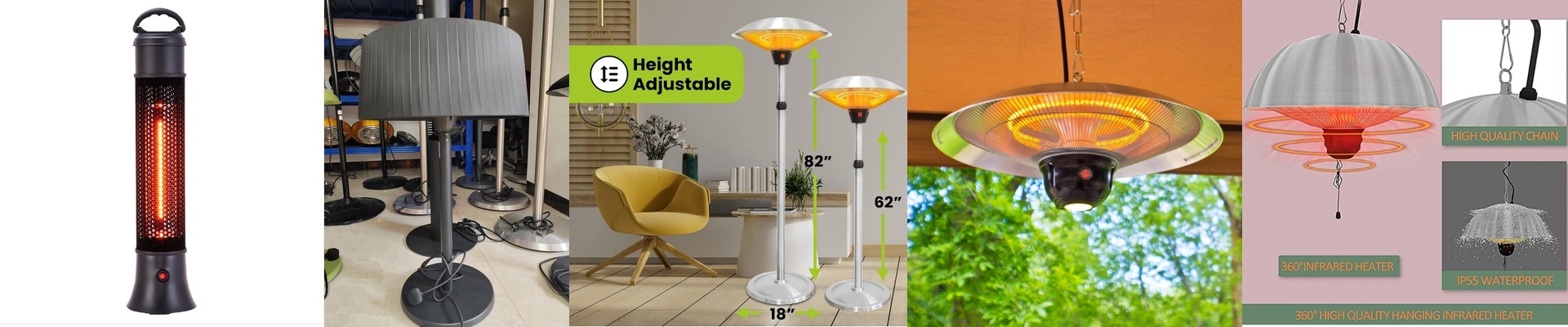
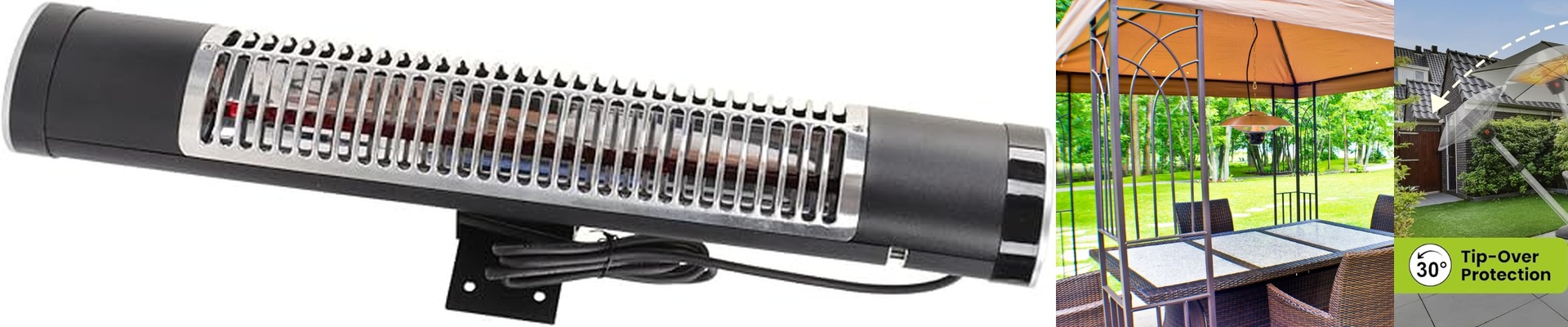
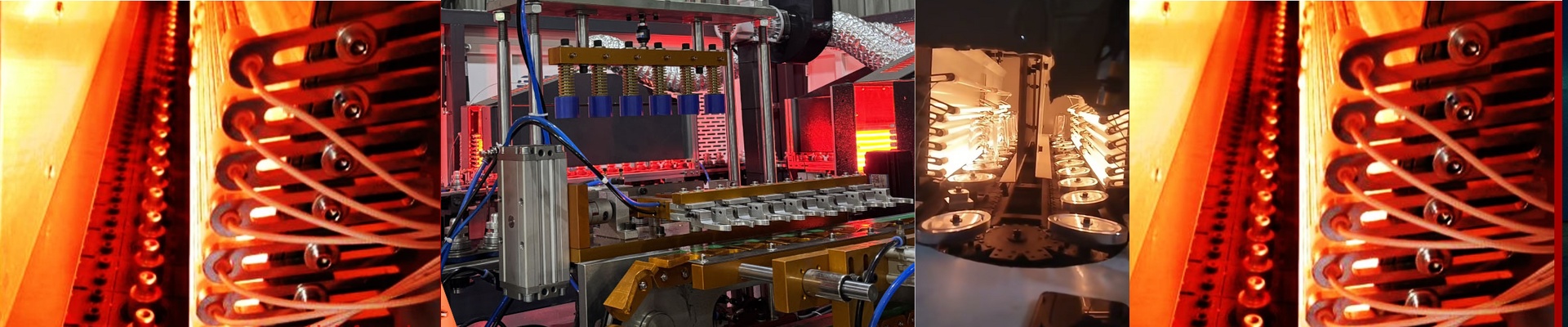
When you’re building a kitchen oven, you’re basically fighting a war against temperature swings. You want the heat to hit fast, but you also need it to stay exactly where you set it. That’s why we lean on single-tube quartz. It just handles the job better. The Secret to the Heat Here’s the thing: if the temperature jumps around even a few degrees, your food suffers. You get burnt edges and raw centers. To stop that, we obsess over the filament’s watt-density. Because it’s quartz, you get immediate infrared radiation. It’s fast. Really fast. Your oven hits the target temperature way quicker than it would with those old-school metallic elements. We’ve spent a lot of time testing these against the big European brands, and honestly? Our stability curves are right there with them. Why We Use High-Purity Quartz We don’t cut corners on the material. High-purity quartz is the only way to go because it can handle “thermal shock.” That’s just a fancy way of saying it won’t crack when you blast it with heat and then let it cool down over and over again. We kept the design to a single tube. It saves space and pushes the heat exactly where it needs to go—the food. But the real trick is the seal. Most tubes fail where the electrodes meet the quartz. We use a pinch-seal method to keep gas from leaking in. If gas gets in, the filament burns out. Simple as that. Installing Them (And What to Watch Out For) The good news is that these are easy to work with. They’re basically a drop-in replacement for most standard quartz arrays, so they’ll plug right into your existing controllers without a fuss. But a word of warning:quartz is fragile. It can handle a thousand degrees, but it can’t handle a clumsy technician. If you bang it during installation or if your mounting brackets are slightly off, the tube will be under mechanical stress. Once it heats up? It’ll snap. Also, give them some breathing room. Make sure there’s enough space so the tube doesn’t accidentally melt your plastic housing. Just line them up straight, give them some air, and they’ll run perfectly.