Getting the Crust Right: Why We Use Twin Quartz Tubes
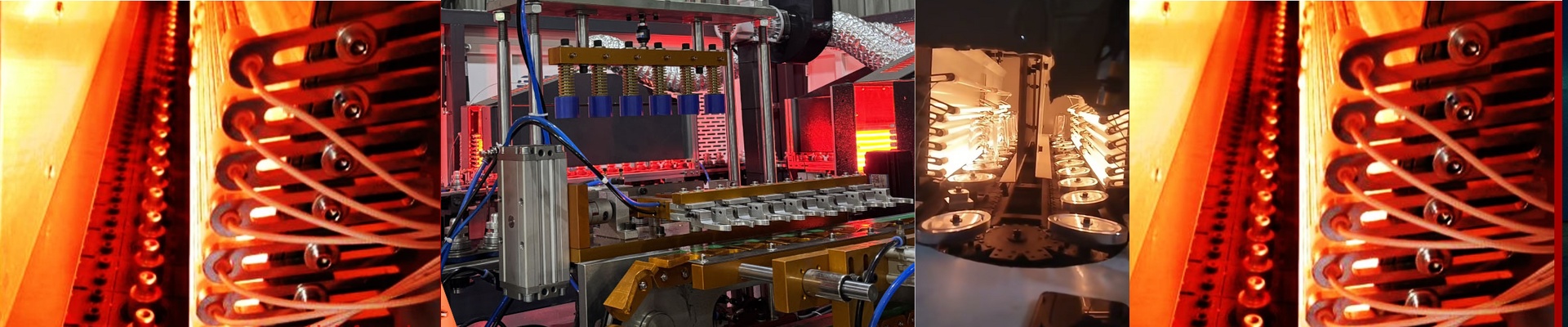
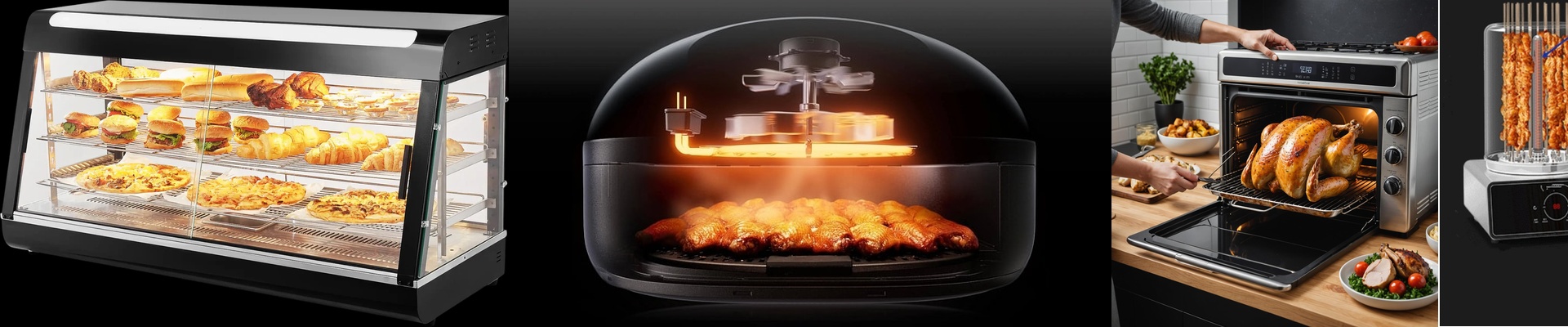
In a professional steam oven, the gap between a perfect golden crust and a burnt mess is tiny—sometimes less than a single degree. That’s why we lean on twin quartz heating tubes. They use short-wave infrared radiation, which is just a fancy way of saying the heat hits the dough faster and deeper than old-school convection. It gives you that rapid “oven spring” and lets you dial in the color exactly how you want it. Why two tubes instead of one? Here’s the thing: single heaters are notorious for creating hot spots. You end up with some loaves that look great and others that are scorched. By splitting the power across two quartz tubes, we smooth everything out. It flattens the heat, so the bread sitting in the back of the rack bakes exactly like the bread in the front. No more guessing games. Speed is everything We use quartz because it handles heat like a champ and doesn’t freak out when temperatures swing. Unlike metal elements that take forever to warm up, quartz hits its target temperature almost instantly. It’s fast. Really fast. And that changes everything for your PID controllers. If the sensor picks up a 1°C overshoot, the quartz drops the heat immediately. It’s a tight, responsive loop. The trade-offs (because nothing is perfect) Now, there are a few things to watch out for. High-density quartz pulls a lot of power. You’ll need to make sure your wiring and relays can handle that initial surge of current when they kick on. Also, quartz is fragile. It can take a massive thermal beating, but it hates physical impact. A stray bump or a few drops of water hitting a red-hot tube? Crack. That’s why we always suggest putting guards over them. Plus, when you pair this setup with steam injection, the moisture helps pull that heat right into the crust. The twin quartz setup makes sure the outside stays supple and doesn’t dry out before the middle is actually done.