
How to Get Your Pizza Out the Door in 90 Seconds
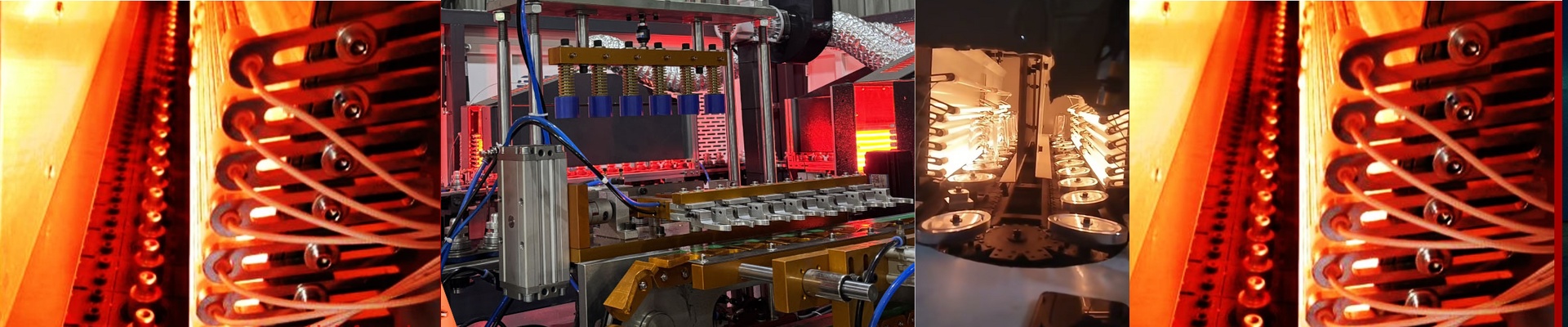
Imagine cutting your bake time from five minutes down to just a minute and a half. That’s the difference between a customer waiting patiently and a customer wondering where their food is. When you swap out old-school convection heat for halogen infrared (IR) tubes in a rotary oven, you aren’t just “speeding things up.” You’re changing how the heat actually works. It’s all about the radiation. Most ovens waste time heating up the air first. Halogen IR tubes skip that middleman. They shoot shortwave radiation straight into the dough. Inside those tubes, we’ve got a tungsten filament wrapped in high-purity quartz and pressurized with halogen gas. It sounds technical, but here’s the real-world result: the filament can run incredibly hot without burning out. That means way more energy hitting your pizza in a fraction of the time. Getting the setup right If you’re looking at these for a rotary system, pay attention to the power density. You want high-wattage tubes packed into a small space to get those quick temperature spikes. But be careful with your power supply. It has to be spot on. If you try to run a 230V tube on 200V, you won’t just lose a little bit of heat—you’ll lose a lot. The good news? Installing them is a breeze. They use standard R7s or SK15 connectors, so you can just pop them in when your old lamps give up the ghost. The catch: Intensity Here is the tricky part. Shortwave IR is aggressive. It’s powerful. If your rotation speed isn’t dialed in perfectly, you’ll end up with scorched pepperoni and a raw crust. You have to find that sweet spot between the wattage and the speed of the conveyor to avoid those annoying “hot spots.” My advice? Go with zoned control. Instead of one big blast of heat, split the infrared array into a few different circuits. You can hit the crust hard for the first 30 seconds, then dial it back as the cheese starts to bubble. It keeps the pizza from getting hammered by the heat while still letting you hit that 90-second mark.