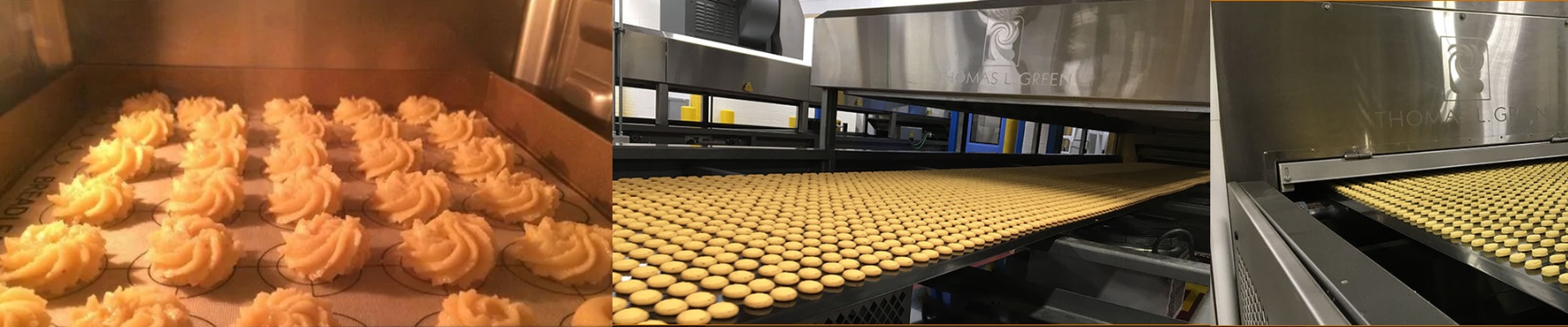
Why You Actually Need Precision Temperature Control in IR Convection Ovens
Ever spent hours on a bake only to pull it out and realize the edges are charred while the middle is still doughy? It’s frustrating. Most of the time, it’s not your skill—it’s just the oven. In a stainless steel convection oven, the difference between a masterpiece and a disaster is tiny. We’re talking 5 to 10 degrees. That’s it. Using high-precision Infrared (IR) heaters helps stop that heartbreak because they don’t have the annoying lag you get with old-school heating elements.
How IR Heating Actually Works
Most ovens just heat up the air and hope for the best. IR is different. It sends electromagnetic radiation straight into the food. When you put that inside a stainless steel chamber with convection fans, you get this intense, high-density heat. The steel walls act like mirrors, bouncing those IR waves back into the oven instead of letting the heat leak out into your kitchen.
The Headache of “Overshoot”
Here is the thing: beginners always struggle with “overshoot.” That’s when your oven hits the target temperature, but it doesn’t stop. It keeps climbing. Fast-response IR lamps fix this because they don’t hold onto heat. They turn on and off almost instantly. This lets the system pulse the power to keep the temperature a flat, steady line. If you’re using a cheap controller, you’ll get these wild temperature swings that just ruin delicate pastries. It’s a nightmare.
The Trade-offs (Because Nothing is Perfect)
Precision isn’t free. High-wattage IR elements pull a lot of power. Plus, if your convection fan isn’t dialed in, the surface of your food can dry out way too fast. You have to get the airflow right. If the fan is too weak, the IR heat will scorch the top of your bake before the center even gets warm. **Pro tip:**Don’t trust the sensor if it’s stuck to the oven wall. Calibrate it to the center of the rack. That’s the only way to get a reading that actually tells you the truth.