Getting That Perfect Sear (Without Drying Out Your Food)
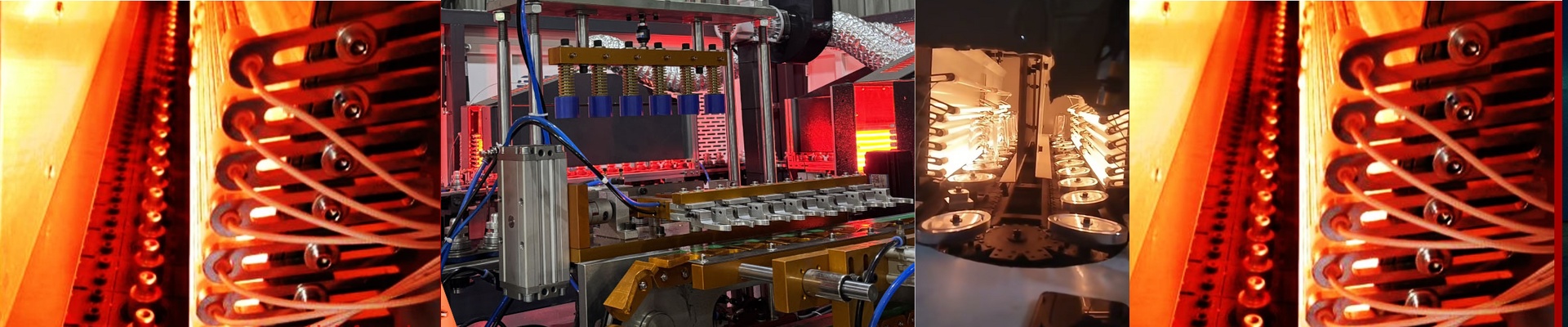
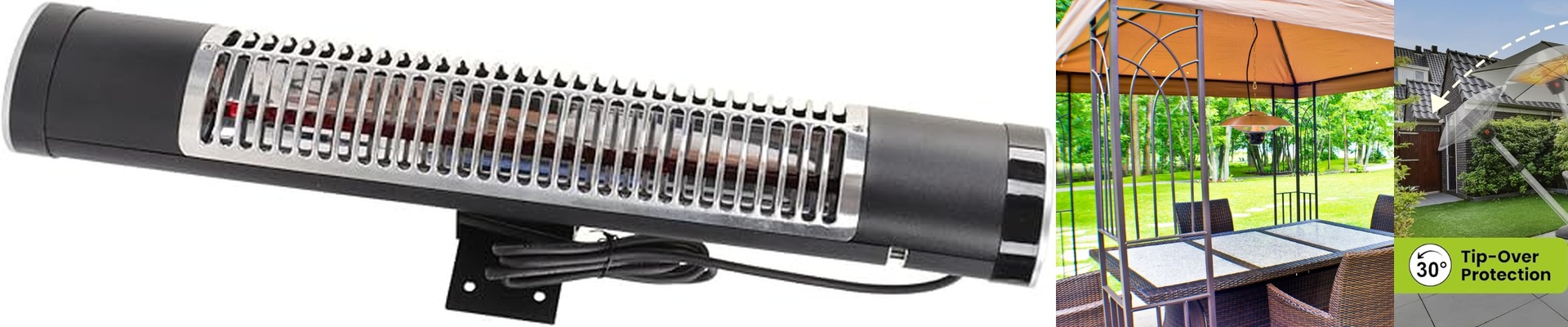
Ever wonder why some restaurant crusts are just… better? That perfect, golden-brown char usually comes down to timing. To get it right, you can’t just blast food with heat; you need a massive, instant spike in temperature. That’s why we use halogen infrared heaters in our ovens. They hit the target temperature in seconds. It means you get that crisp, caramelized exterior while the inside stays juicy, instead of overcooking the whole thing just to get a bit of color. Why this beats standard heating Most ovens rely on convection, which is honestly just slow. It’s like waiting for a room to warm up. Our halogen tubes are different. They shoot short-wave infrared radiation straight into the surface of the food. Because the filament heats up almost instantly, you can trigger that browning—the sugar caramelizing—without soaking the food in hot air for twenty minutes. If you go with a high-wattage setup, you get a sharper “hit” of heat. It’s a total win for any chef who wants a charred crust but needs to lock in the moisture. The gear behind the glow We build these heaters with high-purity quartz glass. Why? Because rapid heating and cooling usually make glass crack. Quartz can handle that thermal shock without breaking a sweat. Inside the tube, we use halogen gas. It stops the filament from evaporating, which means the heat stays consistent for thousands of hours. You won’t deal with that annoying dimming you see in cheap lightbulbs. Plus, we use R7s or Sk15 connectors. They’re simple drop-in replacements. When it’s time for maintenance, you just swap the tube and get back to cooking. No need to rip apart the whole oven chassis or mess with the wiring. A few things to watch out for Now, this kind of heat is aggressive. Like, really aggressive. If the tube is too close to the food, you’ll end up with “hot spots” where things burn unevenly. You’ve got to get your rack spacing just right. We also recommend using a PID controller to pulse the power. Without that kind of control, you’re risking a burnt surface before the heat even reaches the center of your dish. It’s all about balance.