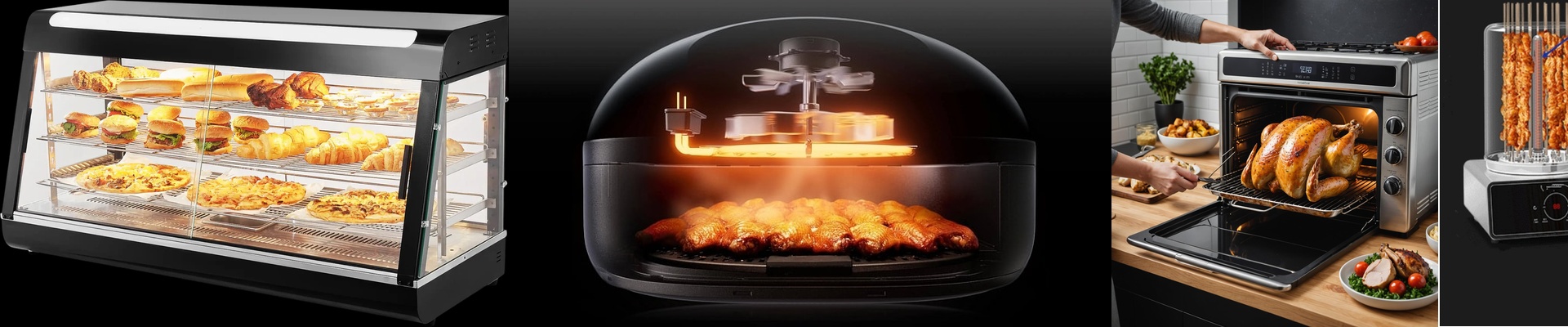
How to get that perfect golden crust (fast)
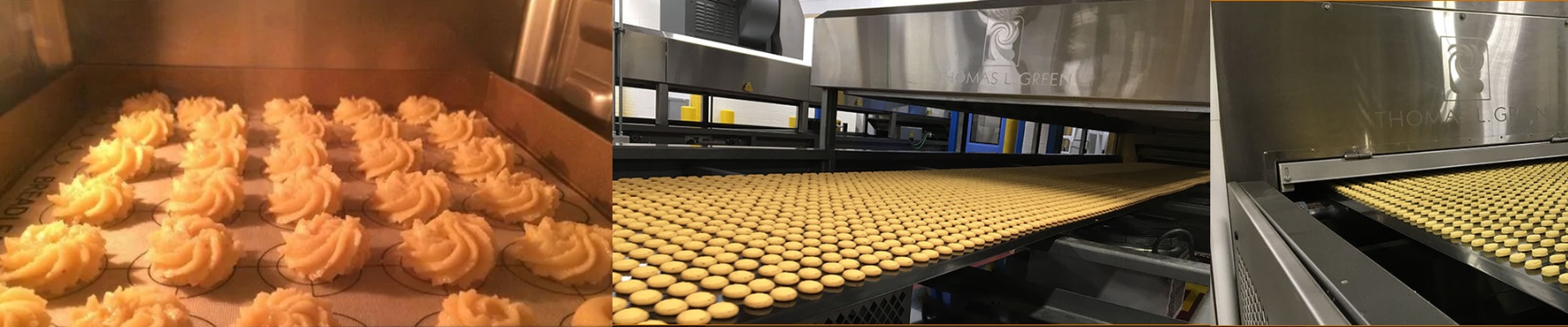
Getting that deep, golden-brown crust on bread during a reheat isn’t just about cranking up the heat. If you just blast it, you’ll end up with a rock-hard exterior and a dried-out inside. The trick is using a specific kind of light—short-wave infrared—that hits the surface hard and fast without sucking the moisture out of the crumb.
Why we don’t use standard heating
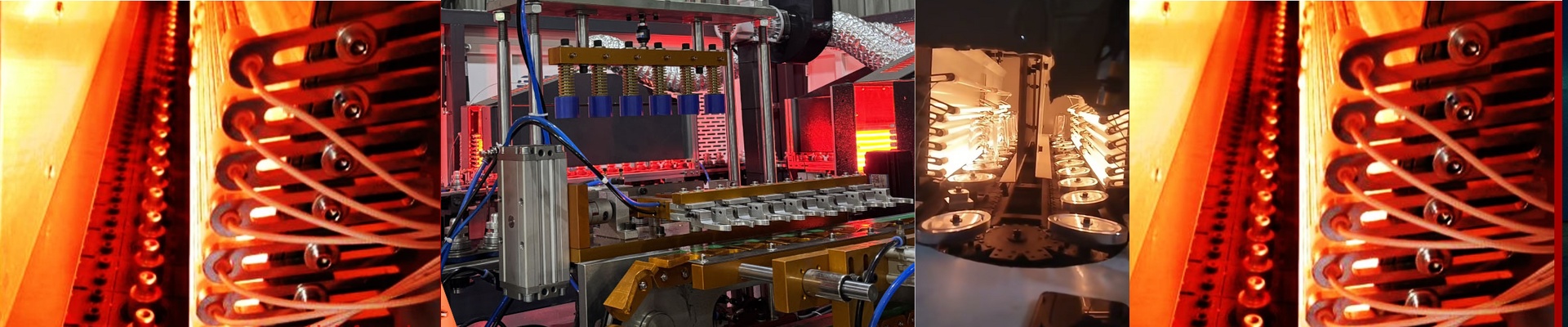
Most ovens rely on convection, but that’s just too slow when you’re running a high-speed line. You can’t wait around for the air to warm up. That’s why we use infrared emitters. They hit their operating temperature in milliseconds. It’s basically an instant burst of energy dumped straight into the dough. This kicks off the Maillard reaction—the magic that makes bread brown and smell amazing—the second the bread hits the heat.
The gear under the hood
We build these tubes out of high-purity quartz glass. Why? Because they have to handle extreme temperature swings without cracking. Depending on how much space you have in your oven, we can tweak the wattage and voltage to fit your power setup. We also stick to standard R7s or SK15 connectors. We did that on purpose so you can just pop them into your existing fixtures without a headache. Inside the quartz, we use a halogen fill. This lets the filament run hotter without burning out, which pushes the light into those shorter wavelengths. Those shorter waves are the secret sauce—they penetrate the surface of the bread way better than the long-wave stuff.
A few things to watch out for
Now, here’s the catch. These high-wattage tubes put a lot of pressure on your wiring. If you’re running a big array of 230V or 400V tubes, make sure your contactors and relays can handle that initial surge of power when they kick on. And please, keep an eye on your airflow. These things get hot. If the area around the sockets gets blocked, the connectors can actually melt, and then your whole circuit is toast. Just keep your cooling fans clear and you’ll be fine.