Getting Your PET Heat Right
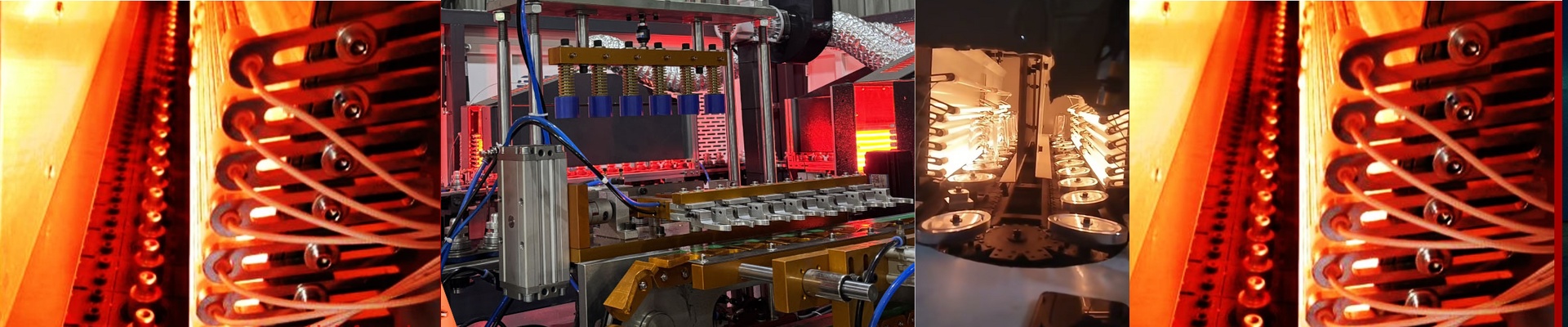
Ever pull a bottle off the line and see those annoying pearlescent streaks or weirdly thin walls? It’s frustrating. Usually, it just means your KHS or Sidel oven has “cold spots.” When that happens, the problem is almost always the lamps—either the light they’re putting out or just how they’re built.
The nitty-gritty of heat density
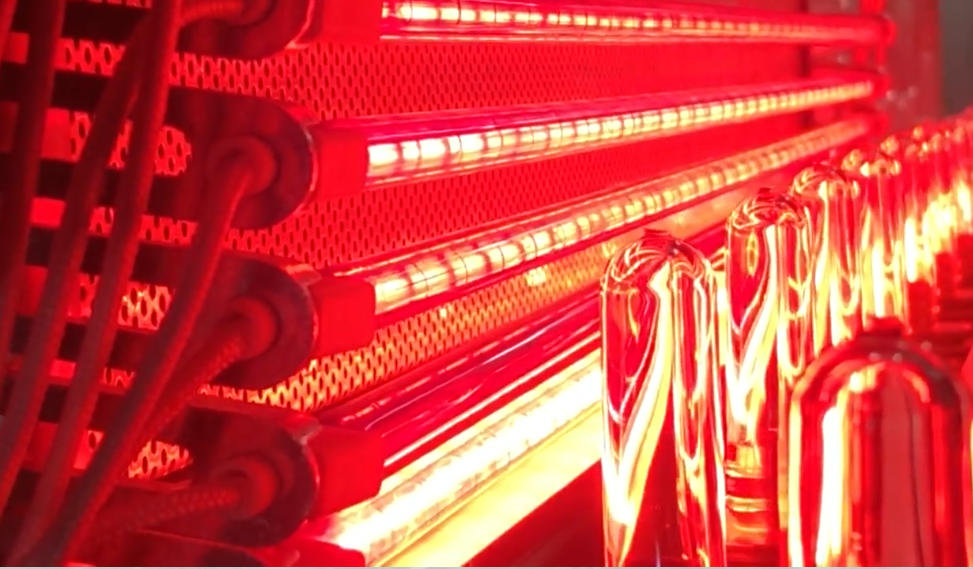
We make our replacement lamps to hit the same voltage and wattage as the OEM specs, but we obsess over the details. If you’re running 230V or 400V, the wattage per centimeter has to be spot on. If it’s too low, the preform doesn’t get warm enough. Too high? You’re burning the resin. The real secret is the filament centering. If that filament shifts even 0.5mm off-center in the quartz tube, you get a hot spot. That might sound tiny, but it’s enough to wreck the structural integrity of your bottle.
Better glass, better connections
We use high-purity quartz because it lets the infrared heat through without fighting it. These are simple drop-in replacements. They use standard R7s or SK15 connectors, so you aren’t messing around with weird adapters. Plus, we reinforced the contact points. Cheap lamps usually burn out because they start arcing at high currents. We fixed that.
The honest trade-off
Here is the thing: high-output lamps are great for fast cycle times. They get the job done quickly. But there’s a catch. When you push more wattage through a shorter tube, your oven’s cooling fans have to work harder. Just make sure your ventilation can handle the extra heat, or you’ll be dealing with tripped thermal sensors in your control cabinet. We’ve run thermal mapping tests, and these lamps actually beat the OEM parts. The heat profile is flatter across the whole lamp. For you, that means way less time spent manually tweaking your oven zones and a much steadier blowing process. It just works.