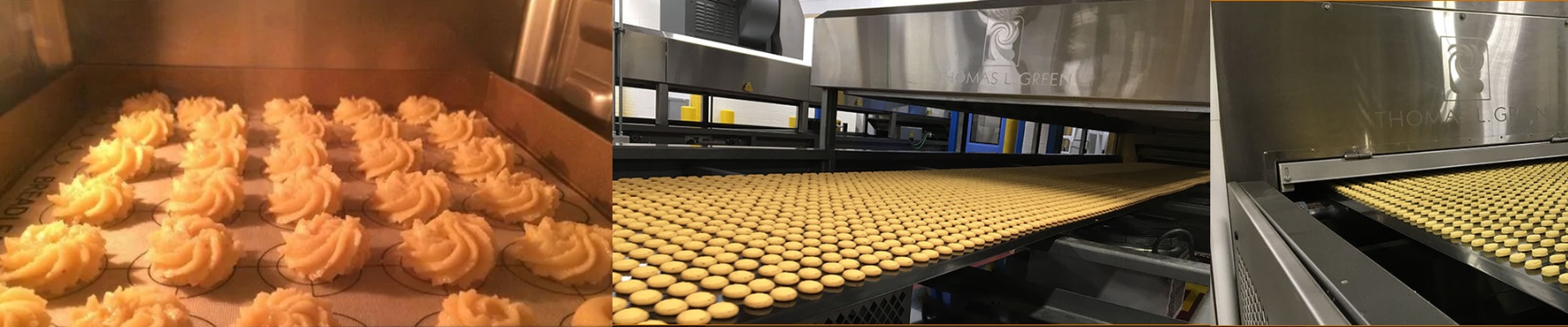
Getting the Heat Right in Rotary Ovens
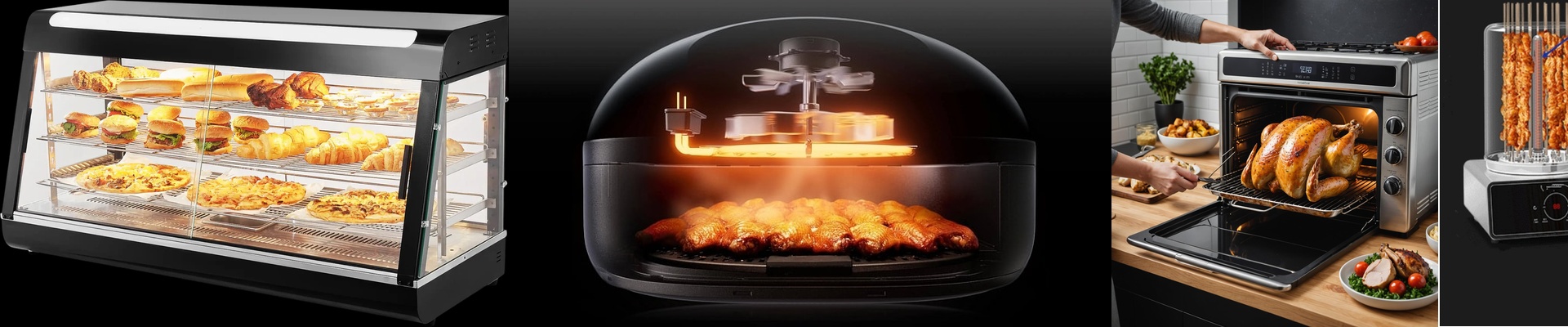
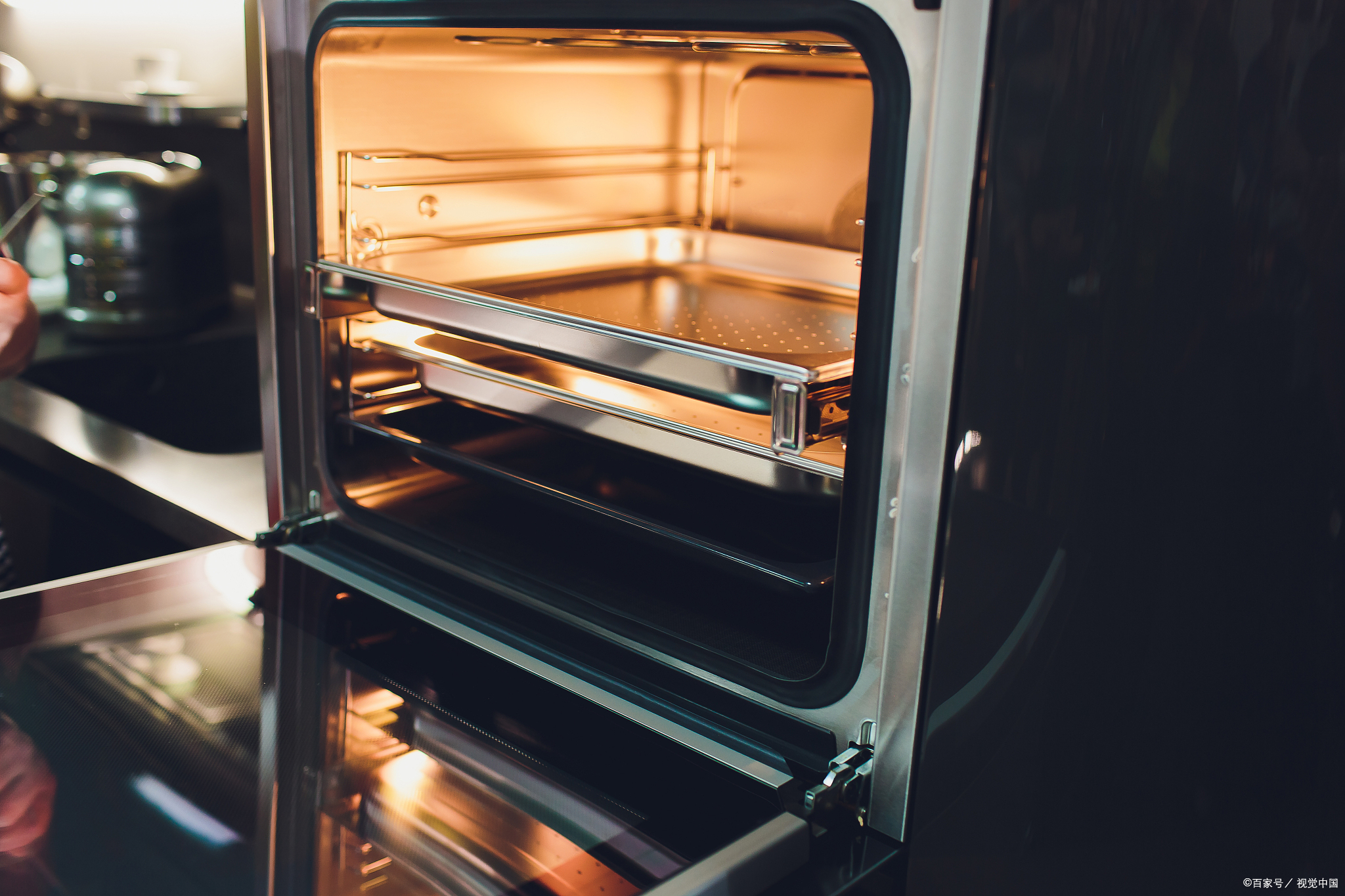
If you’ve ever dealt with a rotary oven, you know the struggle. You pull out a batch and some parts are perfect, while others are barely warm. Those “dead zones” are a nightmare. We tackle this by using shortwave infrared lamps. Instead of just blowing hot air around—which is how convection works—these lamps hit the product from a few different angles while it spins. It’s a direct transfer of energy. No waiting for the air to warm up. Just heat.
The Secret to Speed
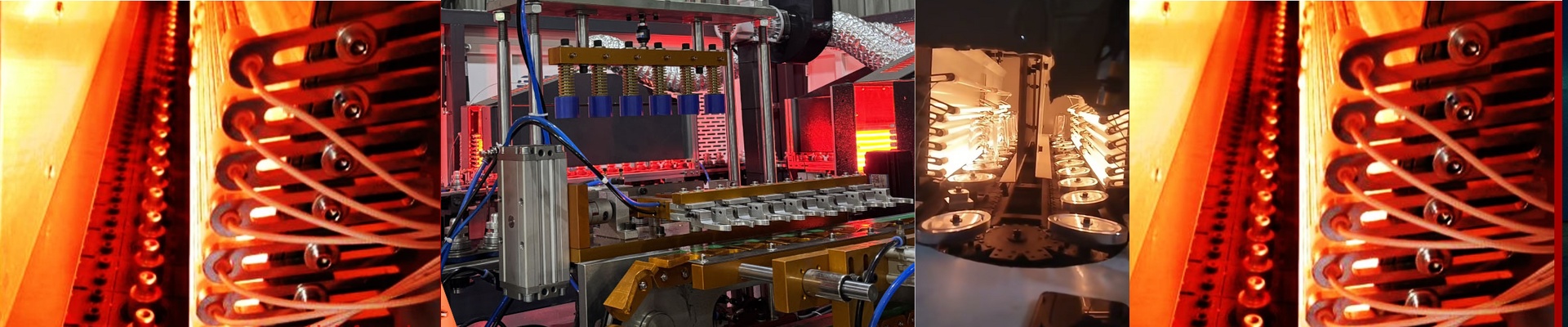
We use quartz-halogen tubes because they hit peak temperature almost instantly. The radiation sinks into the food fast. When you put that inside a rotating drum, the product just glides through the heat field. Nothing stays cold. Now, you’ve got to get the power right. Higher wattage means you ramp up faster, which cuts down your total cycle time. But here’s the trick: you have to balance the lamp length with the size of your oven. If the lamps are sitting too close to the center, you’ll end up with burnt edges and a raw middle. Not a great look.
The Nitty-Gritty Hardware
For the connections, we usually stick with R7s or SK15. They’re simple, secure, and fit right into standard industrial sockets without any fuss. We also use high-purity quartz glass. Why? Because these things go through some serious thermal shock and they need to hold up. One thing to watch out for: the power draw. These lamps pull a lot of juice. If you throw a bunch of high-wattage tubes on one circuit without checking your wiring first, you’re going to be tripping breakers all day.
The Trade-offs
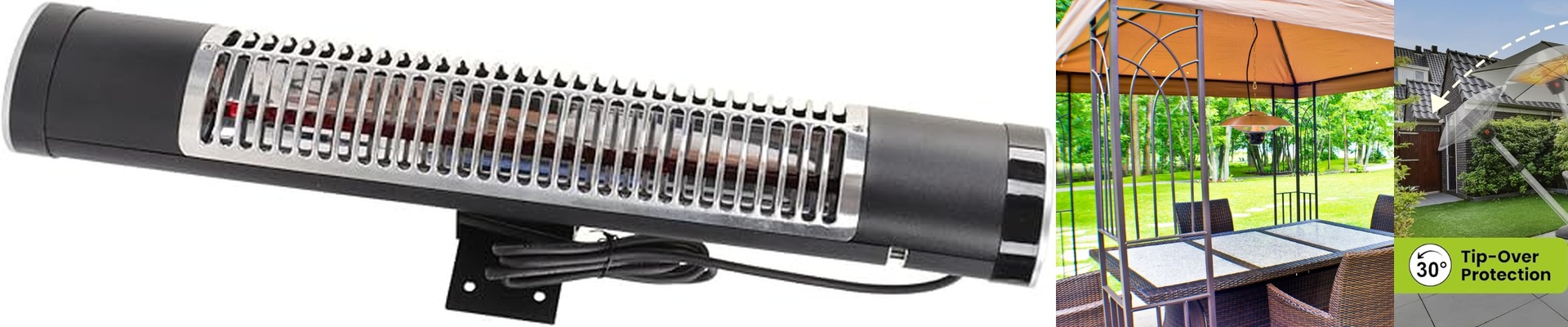
Look, infrared is fast, but it’s aggressive. If your drum spins too slowly, you’re going to scorch your product. You really have to fine-tune the RPM of your motor to match how much heat the lamps are throwing out. And a word of caution: quartz is fragile. One clumsy move during cleaning and crack—there goes your tube. We always recommend installing protective guards. Just make sure they don’t block the IR rays, or you’re right back to square one.