Stop Burning Your Hot Dogs: The Secret to Fast Heat
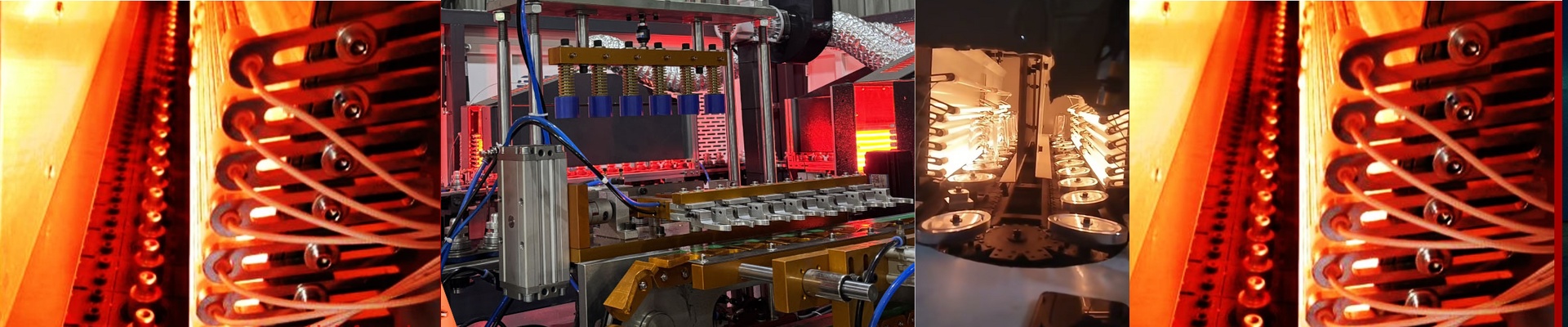
If you’ve ever run a hot dog warmer, you know the struggle. You set the temperature, but the heating element keeps humming along even after it hits the mark. By the time the heat actually stops, your food is overcooked. It’s frustrating, and it wastes product. The problem is something called “thermal inertia.” In plain English? The heating element is too chunky. It holds onto heat like a brick, so it keeps cooking the food long after the power is cut. We fixed this by switching to low-thermal-inertia IR emitters. Here is why that actually matters. Instead of a heavy block of metal, we use a thin tungsten filament tucked inside a quartz envelope filled with halogen. Because there’s so little mass to heat up, these things react almost instantly. When your sensor hits the target temperature, the heat drops off in seconds. No lagging. No “overshooting” the temp. Just a consistent, steady warmth that doesn’t ruin your food. The nitty-gritty on how they work We designed these for high power density. We cram a lot of wattage into a small space, which creates short-wave radiation. Instead of just warming up the air around the food, the heat actually penetrates the surface. It’s a much more efficient way to keep things hot. But a quick heads-up: you have to be precise with your power supply. If the voltage doesn’t match the lamp exactly, you’ll either get weak heat or you’ll fry the filament way too early. Also, make sure your wiring can handle that initial surge of power when they first kick on. A few things to watch out for Now, nothing is perfect. The trade-off for all that speed is that these lamps are a bit fragile. Quartz hates skin oils. If your team touches the glass during installation, those fingerprints create “hot spots” that can actually crack the tube. It’s a pain, butalways use glovesor wipe them down with some isopropyl alcohol before you flip the switch. And one last thing: because these emitters are switching on and off constantly to keep the temperature perfect, your relays (or SSRs) are going to be working overtime. Don’t cheap out on your switching components. Get the ones built for high-cycle life, or you’ll be dealing with a breakdown right in the middle of a lunch rush.