Getting Your Sidel Matrix Heat Just Right
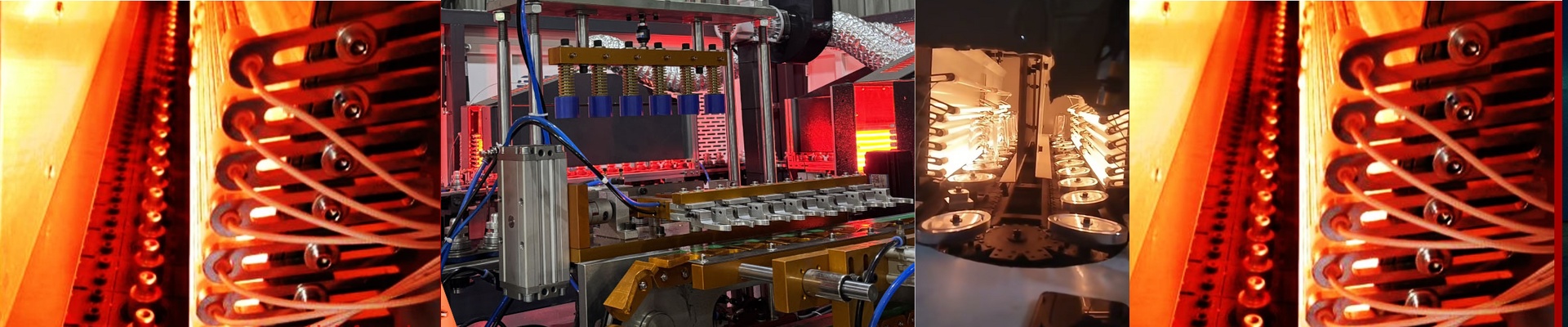
Here is the problem when you swap out OEM lamps in a Sidel Matrix: the temperature curve usually shifts. It sounds like a small detail, but it’s a headache. If the heat density isn’t spot on, your preforms heat unevenly. That’s how you end up with weird wall thickness or that annoying pearlescence in the final bottle. We build our IR lamps specifically to stop that from happening.
The trick to matching the specs
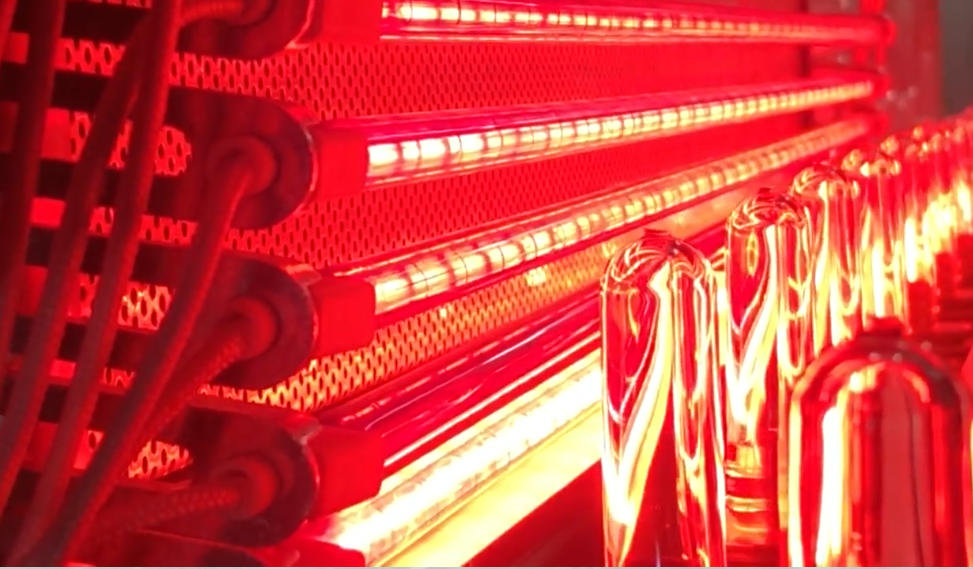
We don’t just look at the wattage and call it a day. That’s a rookie mistake. We focus on the spectral output and heat flux. For a Sidel Matrix, you need a very specific short-wave IR profile. It has to sink deep into the PET resin without scorching the outside. We also dial in the voltage and current draws. Why? Because you don’t want your power supply tripping, and you definitely want the heat to ramp up exactly like the factory setup. If the wattage is off by even 5%, your oven timing is shot. To fix this, we keep our filaments on a very tight leash so the heat stays flat across the entire length of the tube.
No modifications, no mess
These are drop-in replacements. Period. The length, the diameter, the connectors—it’s all a mirror image of the OEM part. You won’t be spending your afternoon messing with brackets or rewiring the housing. It just fits. We use high-purity quartz glass so they don’t cloud up too early, and we’ve tuned the halogen cycle to keep the filament from thinning out. One quick tip: these tubes put out an intense amount of heat. If your reflection chambers are dirty or pitted, it doesn’t matter how good the lamp is—you won’t get the full power. Keep them clean.
What this actually means for your shift
The best part? You don’t have to spend hours recalibrating your heating profiles. You plug them in, run your usual cycle, and the preform hits the blow mold at exactly the right temperature. It’s a relief. Plus, it kills the amount of scrap you usually deal with during changeovers.