Fixing those annoying heat spikes in your SIPA rotary systems
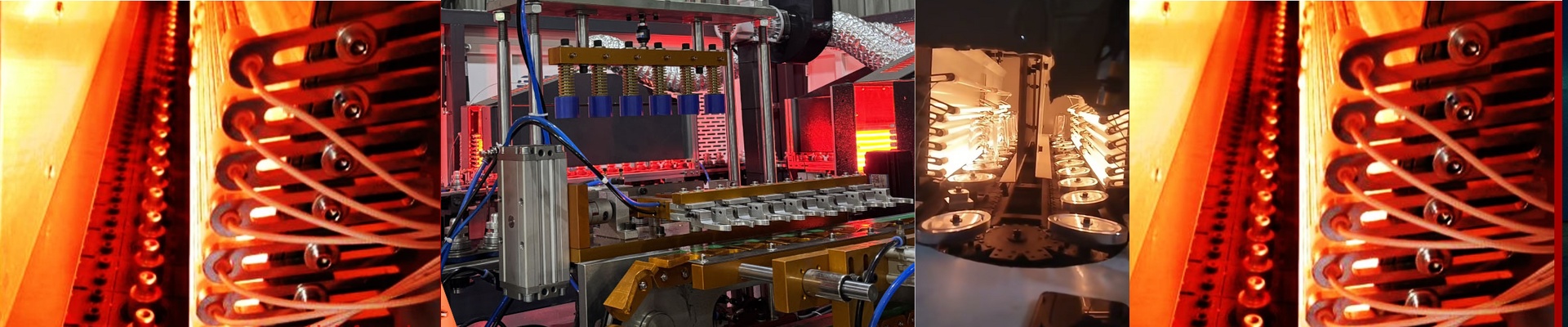
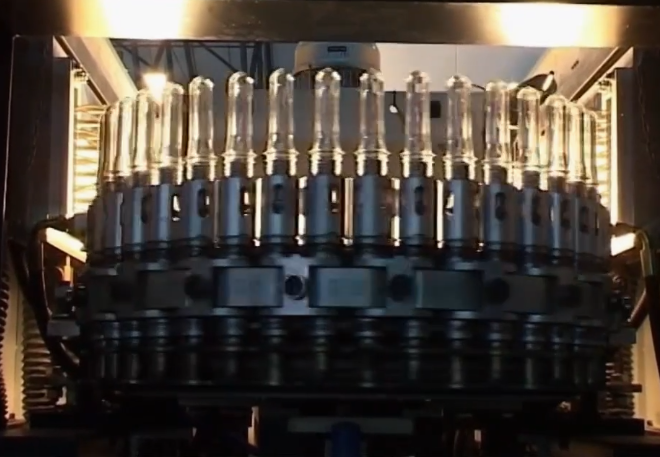
Ever noticed those random “cold spots” on your PET preforms? It’s a nightmare. One minute everything is fine, and the next, you’ve got uneven walls and bottles failing quality checks. Most of the time, this happens because of a power mismatch. It sounds minor, but if you swap an OEM lamp for a generic one and the wattage is off by even 5%, you’re asking for trouble. We fix this by building infrared lamps that mirror your machine’s original specs exactly. No guessing. Getting the power right Here’s the thing: electrical load is a balancing act. If your machine expects a certain high-voltage draw but you pop in a lamp with lower resistance, you’ll pull too much current. Then—pop—your breakers trip. On the flip side, under-powered lamps are just as bad. They force the machine to run longer cycles, which kills your throughput. We make sure the wattage per centimeter is identical across the entire tube. It stops that “zebra stripe” look on the preform and keeps things moving fast. The details that actually matter We use high-purity quartz glass because these things take a beating with rapid heating and cooling. But the real secret is in the fit. Whether you’re using R7s or Sk15 connectors, they have to be tight. A loose connection creates arcs—tiny sparks that eat away at your socket and cause the power to dip in and out. We machine our end-caps to tight tolerances so the lamp seats firmly. It just clicks in and stays there. A quick warning on heat High-wattage shortwave lamps are great because they pack a massive punch of heat, which lets you speed up your cycles. But there’s a catch. When you push that much power into a small space, the oven gets hot. Really hot. If your cooling blowers are clogged or acting up, the quartz can’t shed heat from the electrodes, and your lamps will burn out way too soon. Keep those blowers clean. The best part? These are drop-in replacements. You swap them out, get consistent heat across the board, and you don’t have to spend your afternoon messing with PLC settings.