
How to Actually Speed Up Your Baking Line
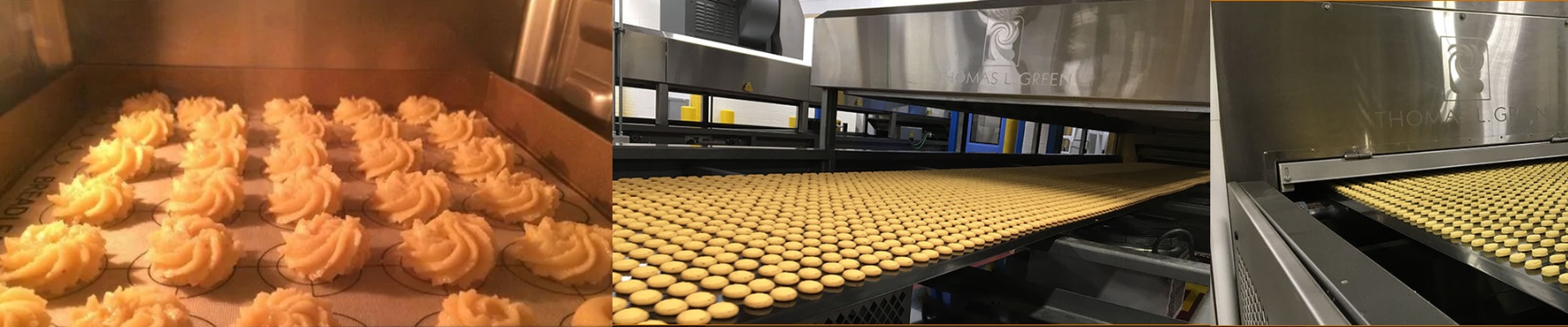
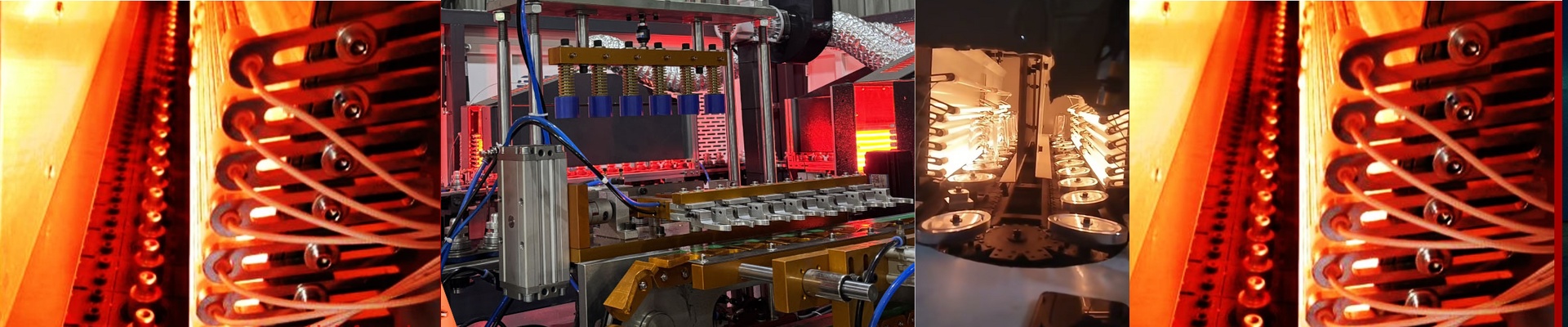
If you’re trying to squeeze more parts-per-minute out of your commercial line, you’ve probably realized that the oven is where everything slows down. Most setups rely on convection, which basically means you’re waiting on hot air to do the work. It’s slow. It’s frustrating. We do things differently with circular shortwave IR heaters. Instead of warming up the air, these lamps shoot heat straight into the food. No waiting around. Just instant heat. Why the circular shape matters Ever notice those annoying cold spots with linear heating elements? Circular lamps fix that. They concentrate the energy into a tight focal point, giving you a steady, even hit of heat across the whole product. Because the food hits its target temperature so much faster, you can finally crank up the conveyor speed. It’s a huge relief when you realize you can move more product without sacrificing quality. The gear under the hood We use quartz glass tubes because they can handle the stress. When you’re cycling heat on and off rapidly, cheaper glass just cracks. Plus, we’ve designed the connectors to be simple. You can usually drop these right into your existing rig without having to rip out your control cabinet and start your wiring from scratch. We stick with shortwave IR for a reason: it digs deeper. You won’t end up with that nightmare scenario where the outside is charred but the middle is still raw. The honest truth about the trade-offs Look, pushing more heat means more stress on your equipment. If you’re running at max wattage to hit crazy throughput numbers, your reflectors are going to take a beating. You’ve got to keep those gold or aluminum reflectors spotless. If flour dust or grease builds up, your efficiency tanks and your browning gets splotchy. One last thing—these lamps put off a lot of ambient heat. Make sure your fans and vents are up to the task. If they aren’t, you’re looking at fried sensors, and nobody wants to deal with that on a Tuesday morning.