Getting Your Oven Heat Exactly Right with Quartz IR Bulbs
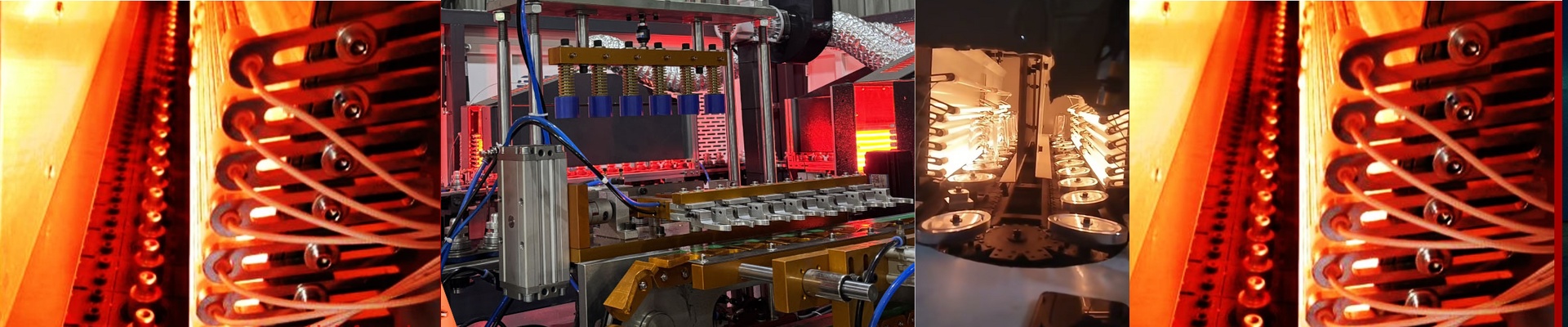
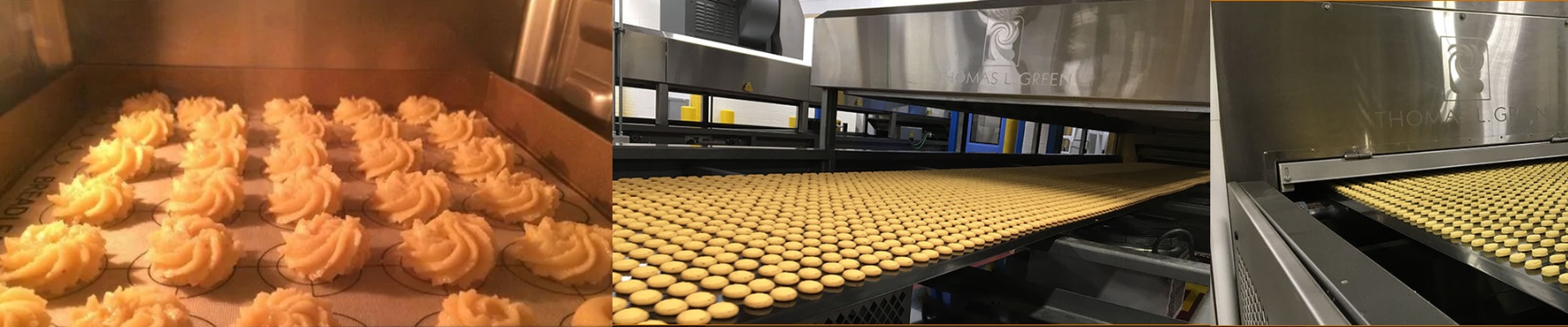
If you’re running an automated kitchen, you know the struggle. You need heat that hits the food now, not in five minutes. That’s why we use clear quartz infrared bulbs in our deck ovens. The magic here is short-wave radiation. Instead of wasting time heating up all the air in the oven first, the heat goes straight into the food. It’s direct. It’s fast. Why the speed matters Here is the thing about clear quartz: it lets almost all the infrared energy fly right through the glass. When we pair these with a PID controller, the response is nearly instant. Standard heating elements are sluggish. They stay hot long after you’ve turned them off, which usually leads to that dreaded “overshoot”—where your crust burns or your product dries out because the oven couldn’t stop heating in time. Quartz bulbs don’t do that. They have very low thermal mass, so the second the power cuts, the heat drops. You get total control. Tailoring the hardware We don’t believe in one-size-fits-all. We tweak the wattage and length to fit your specific oven footprint. Now, you might think “more power equals better,” but there’s a catch. If you push the voltage too hard just to get a faster ramp-up, you’ll fry the filament. It’s a balancing act. We usually suggest a stepped power setup to spread the thermal load across the deck so nothing gets stressed. The tricky parts (and how to handle them) You can’t just plug these into any old switch. You’ll need high-quality Solid State Relays (SSRs). Quartz bulbs have low cold resistance, meaning that first surge of current can be a real killer for cheap switches. You’ll want a system that handles PWM (Pulse Width Modulation) to keep the temperature steady without flickering or failing. One last word of caution:be careful with the glass. Clear quartz is fragile. If you spray water or harsh cleaning chemicals onto a hot bulb, the thermal shock will crack it instantly. We make sure to design the shielding and housing to protect the glass while still letting those IR waves hit the deck exactly where they need to.