How to Actually Speed Up Your Pizza Line
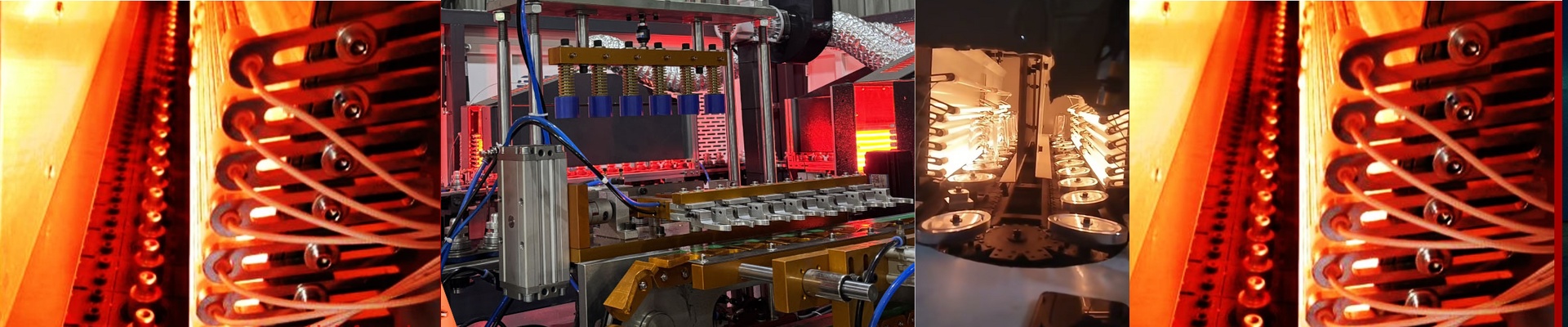
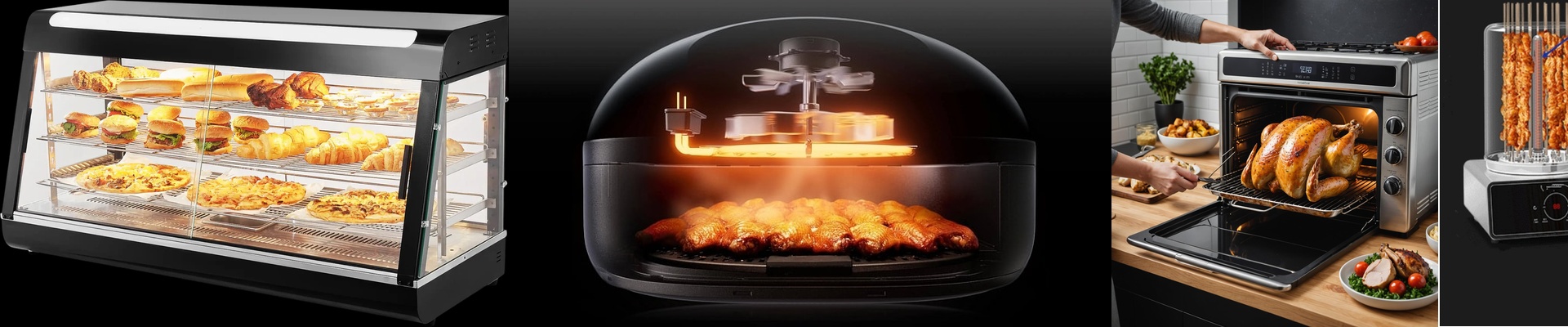
If you’re using a standard convection oven, you’re basically just heating up air. It’s slow. If you want to slash your bake time from five minutes down to 90 seconds, you can’t wait around for the air to get hot. You have to push that energy straight into the dough and the toppings. That’s where our 110V shortwave halogen bulbs come in.
The secret sauce (The Physics)
Most heat takes its time. It has to warm up the oven walls, then the air, and finally the pizza. Shortwave IR doesn’t bother with all that. It hits the food surface immediately. We stuck with 110V because it just works with the power grids you already have in your kitchen. You can usually just drop these into your existing setup without a massive electrical overhaul. Plus, the halogen cycle keeps the bulbs from clouding over, so they last a lot longer even when you’re cranking them on and off all day.
Getting it into your kitchen
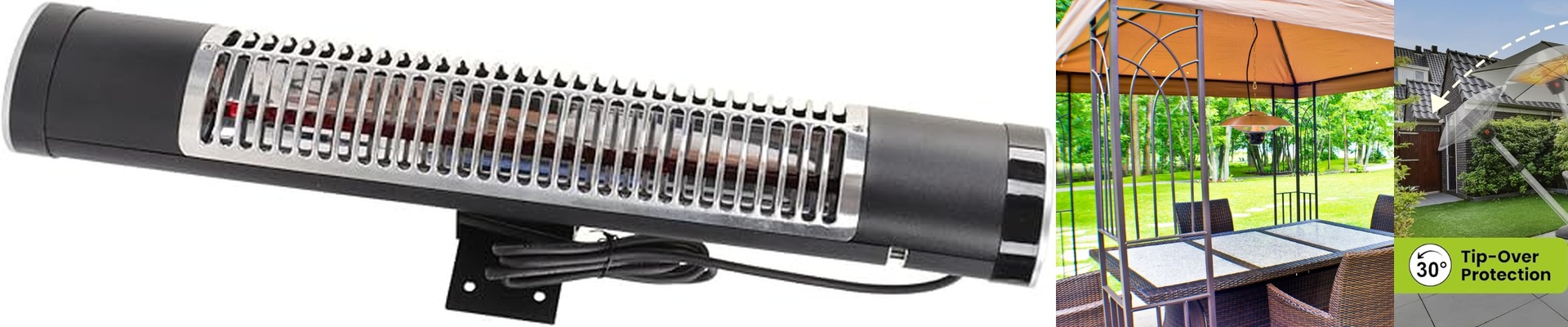
We use high-purity quartz glass because this stuff gets hot—fast. Like, milliseconds fast. That “instant-on” feel is what lets you tighten up your production. If you’re putting these over a conveyor belt, they don’t take up much space, but they pack a serious punch of heat exactly where you need it.
The honest truth (The Trade-offs)
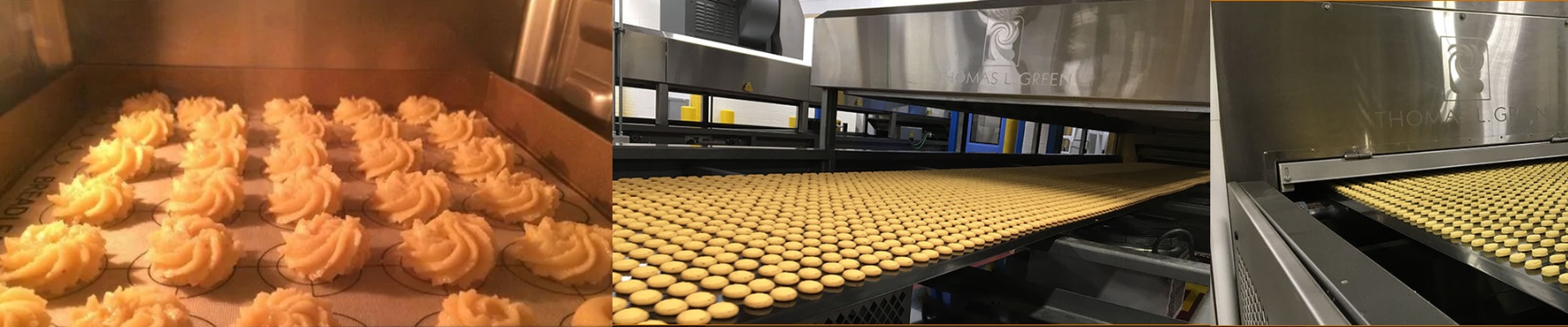
Look, the throughput is incredible, but there’s a catch. Because the heat is so aggressive, the line between “perfectly golden” and “charred remains” is razor-thin. You have to be spot-on with your belt speed and how high the lamps are sitting. If your conveyor lags for even ten seconds, you’re going to scorch the crust. To keep things from going sideways, I highly recommend using a PID controller. It stops the bulbs from popping during voltage spikes and keeps the heat steady, so the first pizza of the morning looks exactly like the last one at night.