Stop Waiting for Your Oven to Warm Up
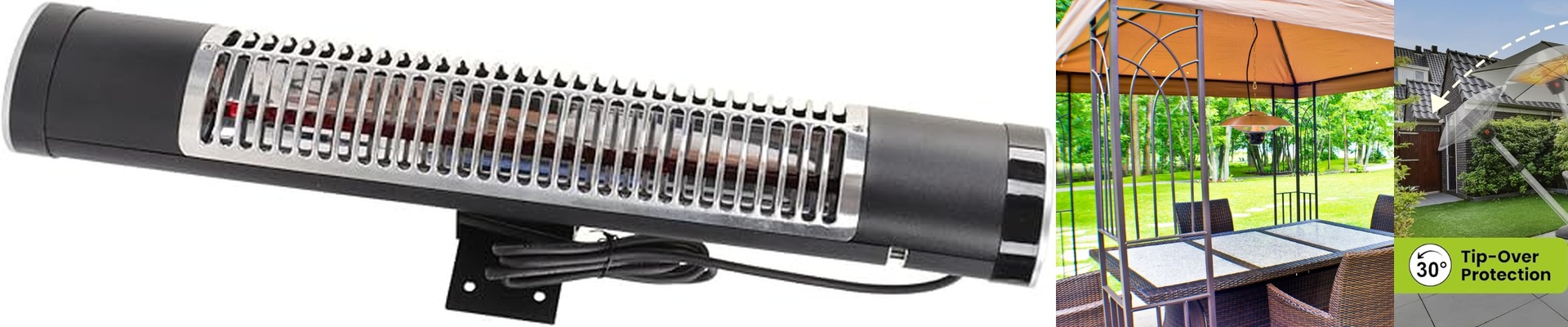
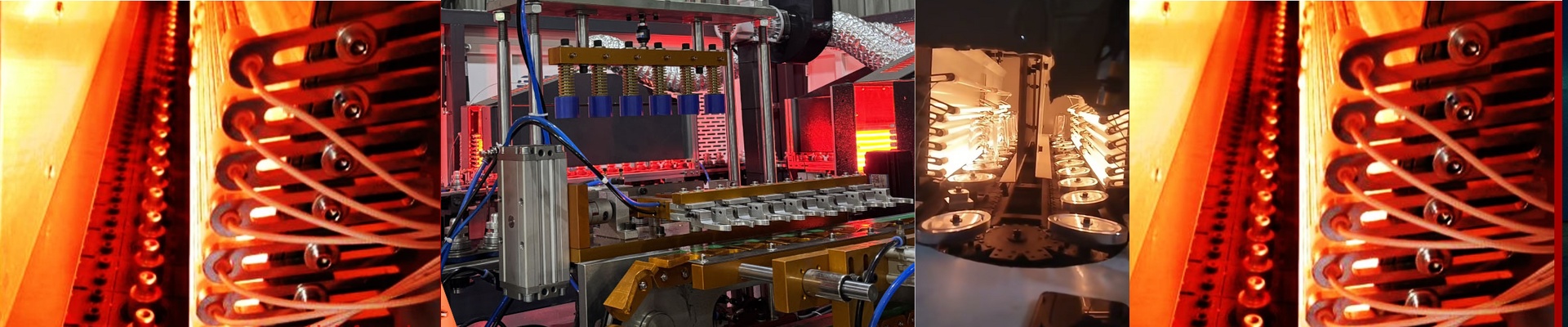
Nothing kills a production schedule faster than standing around waiting for a convection oven to hit temperature. It’s frustrating. You’ve got a queue of parts ready to go, but your main heating elements just can’t keep the pace. That’s why we use auxiliary heating tubes. Think of these as a “turbo boost” for your oven. They aren’t there to hold the temperature once you’re cruising; they’re there to punch the oven up to operating heat as fast as humanly possible. Why halogen? We stick with short-wave halogen because it’s nearly instant. Standard resistive coils are slow—they have to heat the air, which then heats the part. These tubes skip the middleman. They blast infrared radiation directly onto your workpiece. Depending on the length, we’re talking about 1000W to 3000W of energy hitting your chamber in a matter of seconds. It’s fast. Really fast. The nitty-gritty on the hardware We build these out of high-purity quartz glass. Why? Because rapid heating and cooling is brutal on materials, and quartz can handle that thermal shock without cracking. Wiring them in is pretty painless, too. We use R7s or Sk15 connectors. They’re standard parts, so you can usually swap them in without having to tear apart your entire electrical panel and start from scratch. And if your material is picky, we’ve got you covered. Some of our tubes have a special coating that tweaks the light spectrum. It ensures the heat actually sinks into your PET preforms or powder coats instead of just bouncing off the surface. The one thing to watch out for Now, here’s the catch. Shaving minutes off your cycle time is great, but high heat density can be aggressive. If the tubes are placed poorly or your blowers aren’t pushing enough air, you’ll end up with hot spots. You don’t want to find out the hard way that the parts closest to the lamp are scorched while the rest are barely warm. The trick is finding that sweet spot between the lamp’s raw power and your air circulation. Get that balance right, and your workflow becomes a whole lot smoother.