How to Get That Perfect Golden Crust
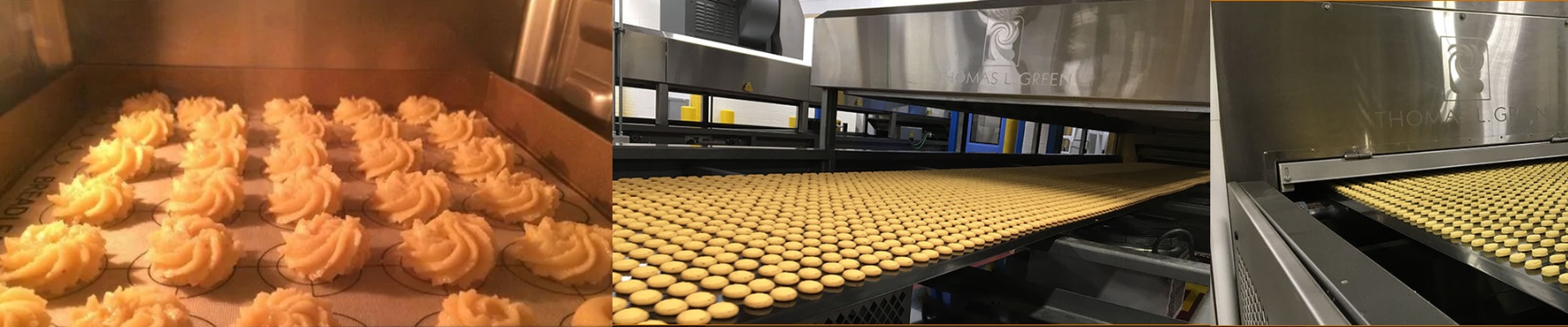
Ever pull a loaf out of the oven only to find it’s burnt in some spots and pale in others? It’s frustrating. Most people think it’s all about the air circulation, but that’s only half the story. To get that textbook, golden-brown finish, you need the right kind of heat hitting the surface. That’s where frosted quartz infrared lamps come in. They bridge the gap between “warm air” and that perfect, caramelized crunch.
Why “Frosted” Actually Matters
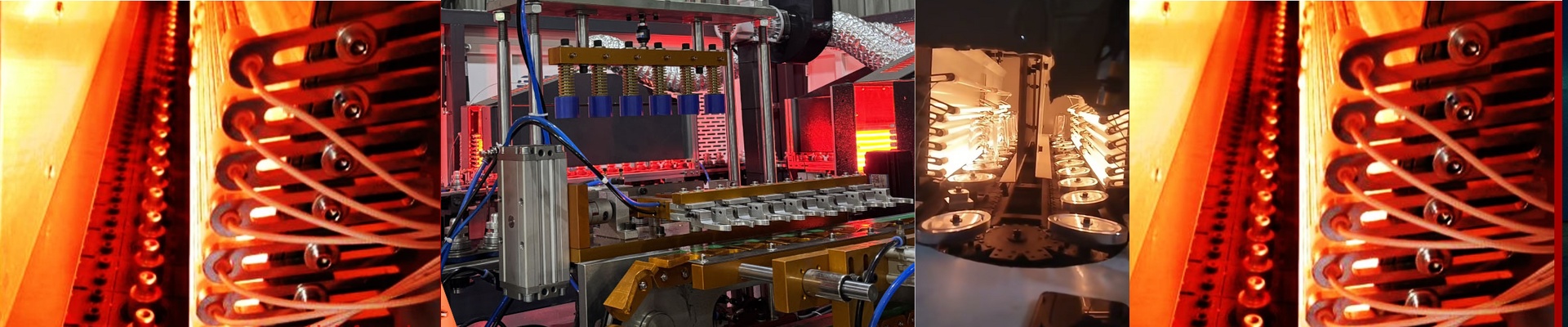
If you use a clear quartz lamp, you’re basically dealing with a heat laser. It shoots out concentrated beams that create hot spots. You end up with bread that’s seared in strips—not exactly what you want for a professional look. We use a frosted finish because it scatters the heat. Instead of a direct beam, the infrared radiation spreads out, hitting your dough from all sorts of angles. The result? A uniform, gorgeous color across the entire loaf.
Getting the Intensity Right
Here is the tricky part: wattage and distance. If you cram a high-wattage lamp into a tiny oven, you’ll torch the crust before the middle is even cooked. It’s a disaster. That’s why we customize the length and power density to fit your specific oven footprint. And don’t forget about your fans. High airflow is great, but it can actually strip heat away from the surface of the bread. If that’s happening, you’ve got two choices: bump up the wattage or move the rack a bit closer to the element.
The Reality of Maintenance
These lamps are easy to install—they just drop right into where your standard heating elements go. But there’s a catch. Frosted quartz is a bit more temperamental than stainless steel. If grease or flour builds up on the glass, it messes with the heat pattern. Worse, that buildup can cause the quartz to crack when it gets hot. You’ll need to stay on top of your cleaning. Keep the glass clear, and the heat stays consistent. Plus, we handle the custom lengths and voltage options. We make sure everything fits your current electrical panels, so you don’t have to rip out your control board just to get the heat density you need.