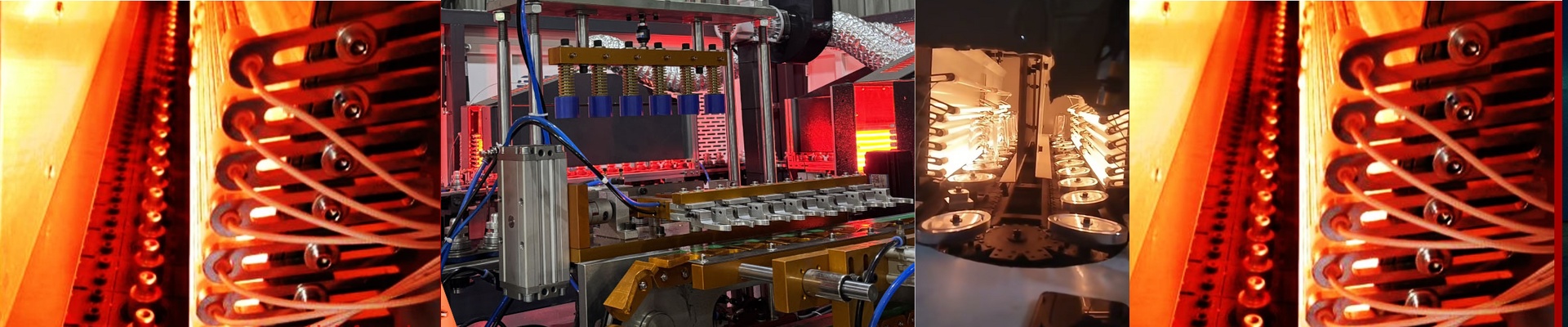

Why Speed is the Secret to Saving Energy in Your Oven
Most engineers think saving energy is all about thicker insulation or lowering the wattage. But if you’re building a high-end oven, the real magic is actually in the response time. That’s where our ruby heating tubes come in. Because of the way the quartz-halogen is put together, these things don’t have that “heavy” feeling when they heat up. They don’t linger. They hit your target temperature in seconds, not minutes. The problem with the old way Think about a traditional heating element. It stays glowing red long after the thermostat tells it to shut off. We call that “thermal overshoot,” but in plain English, it’s just wasted energy. Plus, it’s how you end up overcooking a delicate dish. Our ruby tubes are different. They have a sharp on/off profile. Since the filament hits peak heat almost instantly, your controller can just flick them on and off in short bursts. You aren’t fighting against a big, hot chunk of metal that refuses to cool down. You just get a steady, precise temperature. It’s not just for looks That ruby coating isn’t there to make the oven look fancy. It actually changes how the heat moves. Instead of just warming up the air inside the box, the heat actually penetrates the food. We use high-purity quartz to hold the tungsten filament, which means the tubes can get incredibly hot without warping or bending. Because the heat density is so high, you can fit these into a tiny space. You can either put them closer to the food or just use fewer of them to get the same amount of power. A quick heads-up on the trade-offs Now, this kind of speed comes with a catch. Because the power density is so high, your wiring and connectors are going to feel the stress. If you’re clicking these tubes on and off every few seconds to keep a tight temperature window, a standard mechanical relay is going to burn out fast. I’d strongly suggest using solid-state relays (SSRs). They can handle those rapid-fire cycles without breaking a sweat. Also, keep an eye on your voltage. These tubes are sensitive, and a big voltage spike can kill a filament way sooner than it should.