Stop Waiting on Your Oven: The Magic of Fast-Response IR
Most pizza ovens are slow because they try to heat the air first. It’s like trying to warm up a room with a space heater before you actually start cooking. That lag is why your bake cycle takes forever. We decided to skip the middleman. Instead of heating the air, we use short-wave infrared (IR) elements that hit the pizza directly. The result? Your bake time drops from five minutes down to about 90 seconds.**It’s fast. Really fast.**And that changes everything for your kitchen’s workflow.
How it actually works
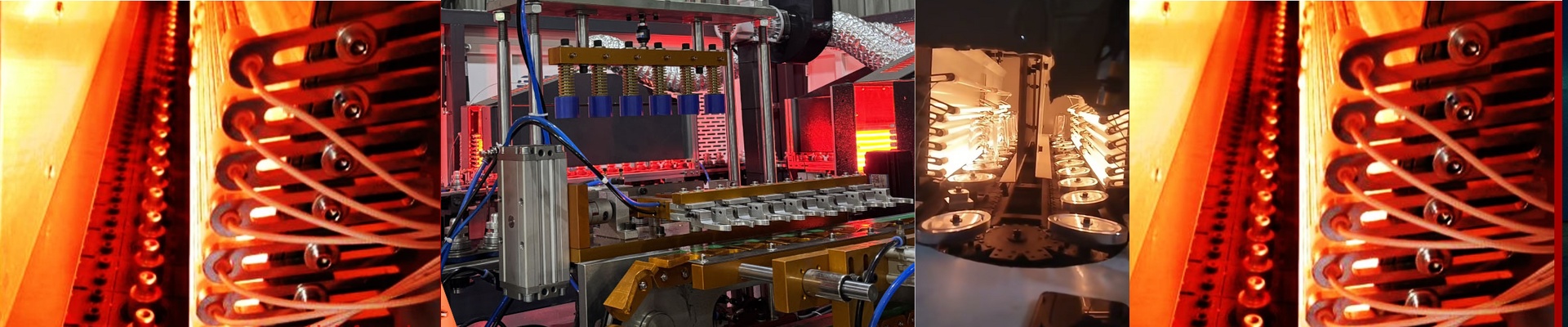
Think of it like the sun. You don’t feel the air get hot before you feel the sun on your skin; you feel the heat instantly. Our IR elements do the same thing. They send out radiation that sinks right into the dough and toppings the second you turn them on. We use high-watt quartz tubes to keep that heat focused exactly where it needs to be. No more waiting for the cavity to “reach temperature.” You just flip the switch and you’re cooking.
The nitty-gritty on the gear
These aren’t your average heating coils. We use high-purity quartz envelopes because they can handle the shock of jumping from cold to scorching hot over and over again. Inside, there’s a tungsten filament tuned specifically to the kind of heat that proteins and fats in food actually absorb. But here is a pro tip:don’t just blast them with full power. If you do, you’ll end up with a charred crust and frozen cheese. You’ll want to pair these with a PID controller and use pulse-width modulation (PWM). It sounds technical, but it basically just means “fine-tuning” the energy so the heat hits the pizza gently and evenly.
A few things to keep in mind
Moving to a 90-second bake is great for your output, but it does put a bit more pressure on your vents. All that concentrated heat can make the outside of the oven get hot quickly. Make sure your insulation is solid and your cooling fans are up to the task, or you might accidentally fry your own electronics. Most of these elements fit right into existing industrial lines, but double-check your spacing. If the racks are too tight, the IR waves can’t travel, and you’ll get weird, uneven brown spots on your pies. We usually suggest staggering the elements. It ensures every single pizza gets the same hit of energy, no matter where it sits on the belt.